


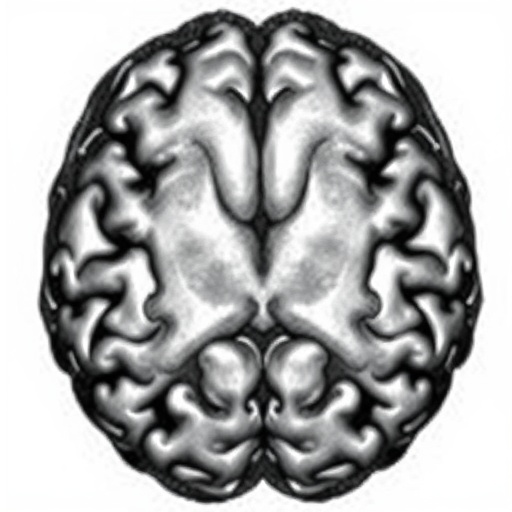
In a groundbreaking multi-center diffusion imaging study, researchers have unveiled intricate alterations in both gray and white matter microstructures associated with major depressive disorder (MDD). This expansive investigation leverages advanced neuroimaging techniques to delve deeper into the neural substrates underlying depression, offering novel insights that could transform diagnostic and therapeutic strategies. Published in Translational Psychiatry, this study represents a significant leap forward in unraveling the complex neurobiological architecture of depression and highlights the critical interplay between various brain regions previously unexplored at this level of detail.
Major depressive disorder, one of the leading causes of disability worldwide, has long baffled neuroscientists due to its heterogeneity and elusive neuropathological markers. Traditional imaging studies primarily focused on either gray matter or white matter abnormalities in isolation, often yielding inconsistent results. This comprehensive study breaks new ground by simultaneously analyzing microstructural integrity across both tissue types using diffusion tensor imaging (DTI), a state-of-the-art MRI method that maps the diffusion of water molecules in neural tissue, thereby revealing microstructural characteristics that correlate with functional impairments.
The research harnessed data from multiple centers, encompassing a large cohort of clinically diagnosed MDD patients alongside well-matched healthy controls. This multi-center approach not only enhances the statistical power but also ensures robustness against site-specific biases and variability in imaging protocols. Utilizing harmonized processing pipelines and stringent quality control measures, the study offers one of the most reliable and generalizable imaging datasets in the psychiatric neuroscience field to date.
At the heart of the investigation is the nuanced examination of gray matter structures, particularly those involved in emotional regulation, such as the prefrontal cortex, anterior cingulate cortex, and hippocampus. Using diffusion metrics like mean diffusivity (MD) and fractional anisotropy (FA), the researchers detected subtle yet significant disruptions that may reflect dendritic pruning, synaptic loss, or neuroinflammation—pathological mechanisms frequently implicated in depression’s pathophysiology. These changes were spatially correlated with clinical severity, reinforcing their potential as biomarkers for symptom progression and treatment responsiveness.
Simultaneously, the study scrutinized white matter tracts extensively connecting cortical and subcortical regions central to mood regulation and cognitive function. The integrity of major white matter pathways, including the uncinate fasciculus, cingulum bundle, and corpus callosum, was compromised in MDD patients, evidenced by altered diffusion parameters indicative of demyelination, axonal loss, or glial pathology. Notably, these deviations chart a potential neural circuitry disruption, providing a tangible substrate for the impaired emotional processing and executive dysfunction observed clinically.
The integration of gray and white matter microstructural data enabled the researchers to propose a comprehensive pathological model of MDD. This model underscores the concept that depression arises from network-level dysconnectivity, where disturbances in gray matter nodes and the white matter highways connecting them synergistically contribute to the disorder’s clinical manifestations. Such a framework transcends reductionist interpretations, advocating for a holistic understanding of depression as a system-wide brain network disorder rather than isolated regional pathology.
Technologically, the study capitalized on cutting-edge diffusion protocols that surpass conventional DTI resolution limits, incorporating advanced modeling techniques such as neurite orientation dispersion and density imaging (NODDI) to delineate neurite complexity and orientation. These advancements improved sensitivity to microstructural anomalies that are often obscured in lower-resolution scans, pushing the boundaries of in vivo neuroimaging precision in psychiatric research.
The implications of these findings extend beyond academic enrichment, revealing promising avenues for clinical application. Microstructural biomarkers derived from diffusion imaging could potentially aid in early diagnosis, monitoring disease progression, and tailoring individualized treatment plans based on the specific microstructural signature exhibited by each patient. This aligns with the paradigm shift toward precision psychiatry, where biological data informs clinical decisions to optimize therapeutic outcomes.
Moreover, the study’s results advocate for integrating neuroimaging data with other modalities, such as genomics and electrophysiology, to build multidimensional models elucidating depression’s etiology. Understanding how genetic predispositions interact with neural microstructure alterations could unlock previously inaccessible mechanisms underlying treatment resistance and relapse, further enhancing intervention strategies.
Ethical and practical considerations were crucially addressed throughout the study. The researchers maintained rigorous standards for patient consent, data privacy, and standardized imaging acquisition across international sites, setting a benchmark for future large-scale neuroimaging collaborations in psychiatry. The success of this endeavor demonstrates the feasibility and scientific value of multinational consortia in tackling psychiatric disorders’ complexity.
In sum, this seminal diffusion imaging study redefines our conception of major depressive disorder by elucidating the microstructural anomalies permeating both gray and white matter compartments. Its comprehensive, multi-center approach provides a powerful template for future investigations and emphasizes the necessity of embracing network-level brain changes in understanding and treating depression. As the field moves forward, these insights promise to inspire innovative diagnostic tools and targeted therapies that can alleviate the global burden imposed by this pervasive mental health condition.
This research not only marks a pivotal milestone in neuropsychiatric imaging but also signals a new dawn where the confluence of technology, collaborative science, and clinical expertise converges to unravel the enigmatic neural underpinnings of depression. The integrative perspective championed by this study invites a paradigm shift toward more nuanced, biomarker-driven models of psychiatric illness that hold the promise of transformative advances in mental health care.
Its influence is expected to cascade through the realms of clinical neuroscience, psychiatry, and even public health policy, prompting renewed investment in brain health research and fostering interdisciplinary alliances aimed at decoding the brain’s microstructural complexities. Ultimately, the study illuminates a path forward where molecular, cellular, and systems-level insights coalesce to deliver tangible benefits to millions affected by depression worldwide.
Cite Scienmag News
Glenn Wilkins. (February 24, 2026). Microstructural Brain Changes Linked to Major Depression. Scienmag. https://scienmag.com/microstructural-brain-changes-linked-to-major-depression/
Glenn Wilkins. "Microstructural Brain Changes Linked to Major Depression." Scienmag, 24 February 2026, https://scienmag.com/microstructural-brain-changes-linked-to-major-depression/. Accessed 1 September 2026.
Glenn Wilkins. "Microstructural Brain Changes Linked to Major Depression." Scienmag. February 24, 2026. https://scienmag.com/microstructural-brain-changes-linked-to-major-depression/


