


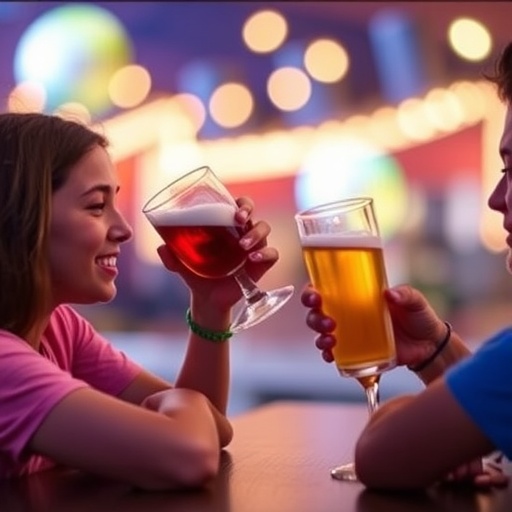
Recent research from Flinders University presents compelling evidence that zero-alcohol beverage advertising may carry unintended consequences, particularly among adolescent populations. The study, involving 382 teenagers aged 15 to 17, reveals a concerning trend: exposure to, and more notably, positive reception of zero-alcohol advertisements correlates with heightened intentions to consume full-strength alcoholic beverages associated with the same brands. This phenomenon suggests that marketing efforts for ostensibly non-alcoholic products can indirectly promote alcohol consumption, challenging prevailing assumptions about the harmlessness of zero-alcohol promotions.
The researchers employed a cross-sectional survey methodology wherein participants were shown authentic advertisements for zero-alcohol beer, wine, and spirits. These promotional materials closely mimic the branding, packaging, and thematic elements of their alcoholic counterparts but contain less than 0.5% alcohol by volume. The participants’ familiarity with the ads and their affinity towards them were assessed, followed by evaluations of their attitudes towards the alcoholic brands and their intentions to consume those full-strength variants. This approach allowed the investigators to examine psychological and behavioral linkages between zero-alcohol brand exposure and alcohol-related intentions in adolescents.
A critical finding of the study is the pronounced influence of ad liking. Teens who expressed favorable views of zero-alcohol advertisements demonstrated more positive attitudes toward the associated alcohol brands and stronger intentions to try the corresponding full-strength products. This relationship underscores the psychological mechanism through which branding and advertising aesthetics can prime young individuals to consider alcohol consumption indirectly, even when the advertisements ostensibly promote non-intoxicating beverages. The blurring of lines between zero-alcohol and alcoholic products appears to facilitate brand recognition and preference formation that extend beyond the immediate product advertised.
Moreover, the ubiquity of zero-alcohol advertising on social media and the general internet amplifies this effect. The study participants reported social media platforms as the most prominent venues for encountering these advertisements. Interestingly, the research did not identify robust distinctions in the impact of zero-alcohol marketing based on advertisement medium, suggesting that many adolescents might not cognitively separate zero-alcohol ads from traditional alcoholic beverage advertising. This ambiguity raises important questions about regulatory oversight and the efficacy of existing advertising restrictions.
Currently, zero-alcohol beverage promotions frequently enjoy exemptions from conventional alcohol advertising regulations. This regulatory gap permits alcohol companies to leverage the same branding and marketing channels to appeal to underage audiences under the guise of zero-alcohol products. The researchers argue that this loophole enables indirect promotion of alcoholic beverages to vulnerable populations, circumventing the intent of alcohol advertising restrictions designed to minimize youth exposure and initiation.
Addressing this gap, the authors advocate for comprehensive policy reforms that apply uniform advertising standards to all brand-related promotions, irrespective of alcohol content. This approach would close loopholes that permit zero-alcohol product marketing to serve as surrogate advertising for alcoholic drinks. Several European countries have already implemented broader restrictions encompassing low and no-alcohol products, setting precedents for more inclusive regulatory frameworks that Australia and other nations might emulate to enhance public health protections.
The neurological and behavioral underpinnings of this phenomenon likely involve associative learning mechanisms, where the repeated pairing of brand imagery with product experiences—alcoholic or non-alcoholic—strengthens mental connections, making brand-related cues salient triggers for alcohol-seeking behavior. Adolescents, with their developing cognitive control and heightened sensitivity to social and environmental cues, may be especially susceptible to such influences, thereby increasing their risk of initiating alcohol consumption earlier and potentially progressing to hazardous use patterns.
Given the proliferation of zero-alcohol products and their strategic positioning within beverage markets, this research highlights an urgent need for longitudinal studies to elucidate the long-term behavioral and attitudinal trajectories emerging from sustained exposure to zero-alcohol marketing. Understanding the temporal dynamics will be crucial for tailoring effective interventions and policy responses aimed at mitigating youth alcohol uptake influenced by indirect advertising channels.
The study’s findings further contribute to a growing body of literature emphasizing the potent impact of alcohol marketing on adolescent consumption patterns. They align with evidence substantiating that advertising not only shapes immediate behavioral intentions but can also normalize and glamorize alcohol use, reinforcing social acceptance and desirability. The indirect promotion via zero-alcohol branding introduces a novel vector requiring scrutiny within comprehensive public health strategies targeting underage drinking prevention.
Co-author Nathan Harrison of Flinders University’s National Centre for Education and Training on Addiction (NCETA) reflects on the implications: “Zero-alcohol advertisements influence adolescent perceptions by closely mirroring full-strength products, thereby eroding distinctions that might otherwise deter underage interest.” Harrison emphasizes the necessity of reevaluating regulatory classifications to better safeguard young people from subtle but consequential marketing influences.
The research, published in the Drug and Alcohol Review, involved a multidisciplinary team led by Dr. Ashlea Bartram, with contributions spanning public health, addiction studies, and behavioral psychology. Funded by the Channel 7 Children’s Research Foundation and supported by the Australian Government Department of Health, the work stands as a robust contribution to policy discourse, urging reconsideration of advertising norms and the expansion of regulatory scopes to encompass the full spectrum of alcohol-related product promotions.
As adolescent alcohol initiation remains a critical public health concern, this study underscores the complex interplay between marketing strategies and youth behavior. It advocates for evidence-based policymaking that recognizes the indirect yet potent pathways through which seemingly benign zero-alcohol advertising can cultivate positive alcohol expectancies and eventually influence consumption decisions among young populations.
News Publication Date: 22-Feb-2026
Web References:
DOI:10.1111/dar.70125
National Alcohol and Other Drugs Hotline
References:
Bartram, A., Ahad, A., Bogomolova, S., Mittinty, M., Dono, J., Brownbill, A. L., Harrison, N. J., Garcia, J., Glavinic, I., May, M., & Bowden, J. (2026). Adolescents’ Exposure to Zero-Alcohol Advertisements and Attitudes and Consumption Intentions Towards Alcohol: A Cross-Sectional Study. Drug and Alcohol Review. https://doi.org/10.1111/dar.70125
Cite Scienmag News
Arden W. (February 24, 2026). Zero-Alcohol Ads Captivate Teens, Study Shows. Scienmag. https://scienmag.com/zero-alcohol-ads-captivate-teens-study-shows/
Arden W. "Zero-Alcohol Ads Captivate Teens, Study Shows." Scienmag, 24 February 2026, https://scienmag.com/zero-alcohol-ads-captivate-teens-study-shows/. Accessed 29 August 2026.
Arden W. "Zero-Alcohol Ads Captivate Teens, Study Shows." Scienmag. February 24, 2026. https://scienmag.com/zero-alcohol-ads-captivate-teens-study-shows/
![High-Contrast [¹⁸F]SiTATE PET/CT Imaging Maps Somatostatin Receptors in Meningiomas](https://scienmag.com/wp-content/plugins/wp-fastest-cache-premium/pro/images/blank.gif)

