


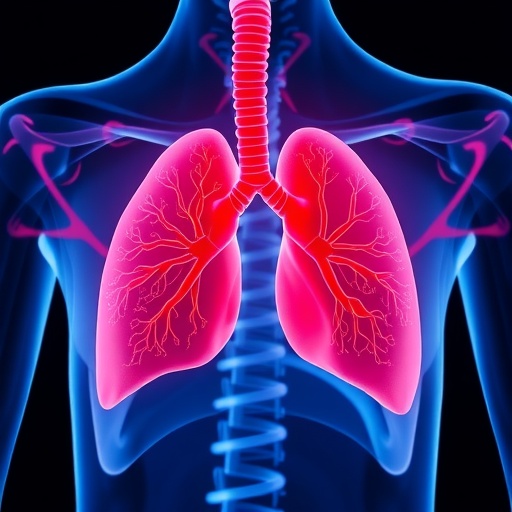
In the evolving landscape of neonatal medicine, congenital diaphragmatic hernia (CDH) stands out as a particularly complex and multifaceted challenge. One of the most pressing concerns in CDH management is chronic pulmonary hypertension (PH), a condition that continues to baffle clinicians and researchers alike due to the scarcity of comprehensive data and understanding. Recent discourse highlights an urgent need to delve deeper into the pathophysiological nuances and long-term outcomes associated with chronic PH in CDH patients, aiming to improve diagnostic accuracy, therapeutic strategies, and overall prognosis.
While neonatal pulmonary hypertension in CDH has been acknowledged and researched extensively in acute settings, chronic PH remains relatively obscure with significant gaps in knowledge. Researchers emphasize that chronic PH does not merely represent a continuum of acute disease but may implicate distinct hemodynamic profiles and vascular remodeling processes unique to sustained disease progression. This differentiation is paramount to refining clinical surveillance protocols and tailoring interventions that mitigate long-term morbidity and mortality in this vulnerable patient cohort.
Intricately tied to this complex pathology is the phenomenon of left ventricular diastolic dysfunction (LVDD) within the CDH population. Despite its recognized contribution to adverse cardiovascular outcomes, LVDD remains understudied in the context of CDH-related pulmonary hypertension. Understanding diastolic function alterations is critical since the left ventricle’s filling pressures can impact pulmonary vascular resistance and hemodynamics, potentially exacerbating chronic pulmonary hypertension. Thus, focused investigations on LVDD may unlock new diagnostic markers and therapeutic targets in these neonates.
The therapeutic landscape of CDH has witnessed advances, including the increasing application of prostaglandin therapy. Originally intended for ductal patency maintenance in certain cardiac conditions, prostaglandins’ role in influencing pulmonary vascular tone and remodeling in CDH-associated PH is becoming a double-edged sword. While promising in short-term hemodynamic stabilization, their long-term effects might inadvertently contribute to chronic PH development. Careful longitudinal studies are essential to elucidate these dynamics and optimize treatment protocols to balance efficacy and safety.
One of the primary hurdles in advancing CDH and chronic PH research is the lack of standardized imaging and diagnostic frameworks. Echocardiography remains the cornerstone for assessing cardiac function and pulmonary hemodynamics, yet variability in imaging protocols across institutions hampers data comparability and multicenter collaboration. The call for standardized, reproducible imaging guidelines is increasingly urgent to enable large-scale studies that can capture the heterogeneity of CDH presentations and their hemodynamic consequences.
To overcome these challenges, the establishment of centralized echocardiography registries has been proposed as a pivotal step forward. Such registries would serve as repositories of longitudinal clinical and imaging data, facilitating robust, data-driven insights into disease progression, response to therapy, and long-term outcomes. Harnessing big data analytics within these centralized platforms could unravel phenotypic subgroups, risk stratification markers, and potentially identify new therapeutic avenues grounded in patient-specific hemodynamic profiles.
In parallel with imaging advances, the integration of genetic studies in neonates diagnosed with CDH is transforming our approach to understanding disease susceptibility and heterogeneity. Genetic insights are shedding light on underlying predispositions that influence pulmonary vascular development and response to injuries caused by hernia-associated lung hypoplasia. This genomic frontier promises to refine risk prediction models and guide the personalization of surveillance and intervention strategies in chronic PH management.
The natural history of chronic pulmonary hypertension in CDH remains elusive, partly due to the neonatal population’s inherent vulnerabilities and the variability in clinical presentations. Longitudinal research tracking these infants from diagnosis through childhood is critical to mapping disease trajectories and identifying windows of therapeutic opportunity. Such work demands multisite collaboration and harmonized data collection tools to capture the full spectrum of disease manifestations and treatment responses in diverse patient populations.
Moreover, a hemodynamic-driven approach to chronic PH in CDH is gaining favor because it emphasizes tailored treatment regimens based on precise cardiovascular function measurements rather than broad clinical parameters. This paradigm shift underscores the necessity of incorporating invasive and non-invasive hemodynamic monitoring techniques into routine care, despite the associated challenges in invasiveness, technical expertise, and resource allocation.
Future research directions must also consider the evolving interplay between lung hypoplasia severity, pulmonary vascular remodeling, and cardiac function in CDH. Disentangling these interdependent factors will aid in developing nuanced models that predict chronic PH onset and progression, ultimately enhancing individual risk stratification and tailoring therapies accordingly. This comprehensive understanding could revolutionize clinical practice by moving toward precision medicine tailored to each neonate’s pathophysiological profile.
Collaboration between neonatal intensive care units, cardiologists, pulmonologists, and researchers is imperative to propel this field forward. Establishing consortiums dedicated to chronic PH in CDH can facilitate sharing best practices, data standardization, and joint clinical trials. Such concerted efforts are essential to surmount the fragmentation currently limiting progress and to translate research findings into tangible clinical benefits for patients.
Furthermore, the ethical and logistical challenges inherent in studying neonates with CDH and chronic PH cannot be overlooked. Balancing the need for invasive diagnostics and interventions with the fragility of these patients requires meticulous planning and adherence to rigorous ethical standards. Addressing these challenges will necessitate innovative study designs and technologies that minimize risk while maximizing data yield.
The impetus to better understand and treat chronic pulmonary hypertension in congenital diaphragmatic hernia is underscored by its significant impact on long-term morbidity. Despite advances in neonatal care, survival rates have plateaued in many centers, partly due to chronic PH complications that impair respiratory and cardiac function. Advancing research in this arena not only holds potential to improve survival but also to enhance the quality of life for survivors.
Finally, as scientific inquiry progresses, public awareness and healthcare policy must adapt to support sustained research and clinical endeavors targeting chronic PH in CDH. Funding agencies, policymakers, and advocacy groups should recognize the urgency and complexity of this condition to prioritize resources and foster environments conducive to breakthrough research. Raising the profile of this condition within the broader congenital and pulmonary disease communities is essential to drive meaningful change.
In conclusion, chronic pulmonary hypertension in congenital diaphragmatic hernia represents a frontier in neonatal medicine demanding focused, multidisciplinary research efforts. Clarifying the natural history, improving diagnostic standards, leveraging genetic and hemodynamic insights, and fostering collaborative ecosystems will be critical to transforming patient outcomes. As the field embraces these challenges, hope emerges for reducing the burden of chronic PH and securing healthier futures for children affected by CDH.
Cite Scienmag News
Arden W. (February 24, 2026). Hemodynamic Insights Transform Pulmonary Hypertension in CDH. Scienmag. https://scienmag.com/hemodynamic-insights-transform-pulmonary-hypertension-in-cdh/
Arden W. "Hemodynamic Insights Transform Pulmonary Hypertension in CDH." Scienmag, 24 February 2026, https://scienmag.com/hemodynamic-insights-transform-pulmonary-hypertension-in-cdh/. Accessed 29 August 2026.
Arden W. "Hemodynamic Insights Transform Pulmonary Hypertension in CDH." Scienmag. February 24, 2026. https://scienmag.com/hemodynamic-insights-transform-pulmonary-hypertension-in-cdh/
![High-Contrast [¹⁸F]SiTATE PET/CT Imaging Maps Somatostatin Receptors in Meningiomas](https://scienmag.com/wp-content/plugins/wp-fastest-cache-premium/pro/images/blank.gif)

