


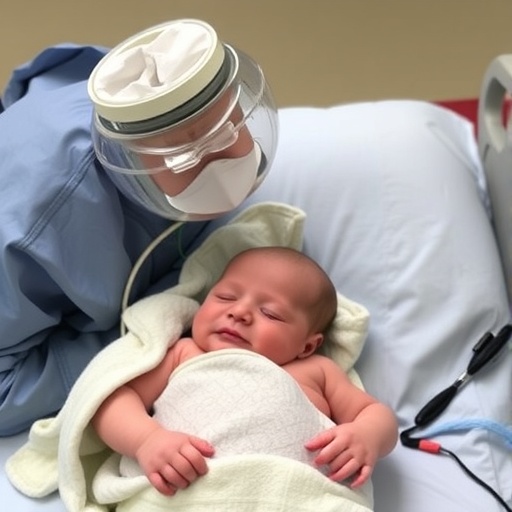
In the ever-evolving landscape of neonatal care, the role of neonatologists stands paramount. A recently published study in the Journal of Perinatology has shed new light on the intricacies of neonatologists’ professional lives in the United States, combining detailed statistical analysis with qualitative insights to present a comprehensive picture of this critical medical specialty. This groundbreaking research, authored by Bishop, Byrne, Dammann, and colleagues, not only charts the demographic and experiential profiles of neonatologists but also delves deeply into the challenges and triumphs they encounter in their demanding roles.
Neonatology, a subspecialty of pediatrics, focuses on the medical care of newborns, particularly the ill or premature infant. The research underscores the increasing complexity of neonatal cases seen by practitioners today, a trend driven by advancements in perinatal medicine and neonatal intensive care units (NICUs). The study situates itself at the forefront of understanding how these advances have transformed clinical practice, workforce dynamics, and professional experiences within this critical field. As neonatal survival rates improve, the demand and expectations placed on neonatologists have concurrently escalated, necessitating an evaluation of the workforce’s capacity and wellbeing.
Central to the study is a detailed demographic breakdown of neonatologists currently practicing across the United States. Through a robust survey methodology complemented by registry data, the researchers have delineated factors such as age distribution, gender representation, educational background, and geographic practice settings. This nuanced analysis reveals important trends, such as a gradual increase in female representation over recent decades, reflecting wider shifts toward gender parity in medicine. Additionally, there is an observable concentration of practitioners in urban and academic centers, suggesting potential disparities in neonatal care availability in more rural or underserved regions.
The research further explores the diversity of professional settings where neonatologists operate. From university hospitals to community-based NICUs, the study documents how organizational differences impact clinical responsibilities, workload, and decision-making autonomy. In academic centers, for instance, neonatologists often juggle research, teaching, and clinical care, while those in community settings may focus predominantly on direct patient care but with fewer resources or specialist support. These differences reflect broader systemic issues related to healthcare infrastructure and resource allocation that directly impact neonatal outcomes.
In addition to demographic and workplace characteristics, the study offers intimate insights into the lived experiences of neonatologists. Through qualitative interviews and open-ended survey questions, the authors capture the emotional landscape of neonatal medicine. The overwhelming themes of professional fulfillment are interwoven with narratives of burnout, ethical dilemmas, and the psychological toll of caring for the most vulnerable patients. These dimensions highlight the critical need for institutional support systems, mental health resources, and policies aimed at sustaining the workforce’s resilience and compassion.
The evolving nature of neonatology practice calls for adaptive training and continuing education, a point emphasized in the study’s examination of professional development pathways. Neonatologists must remain abreast of rapid technological advances, such as novel respiratory support techniques, neuroprotective strategies, and precision medicine approaches tailored to neonatal physiology. The research identifies a growing trend toward specialized training modules, simulation-based education, and interdisciplinary collaboration as key drivers enabling practitioners to deliver high-quality, evidence-based care.
The article also investigates workforce challenges, notably recruitment and retention issues. Despite the growing demand for neonatal specialists, the field faces hurdles including long hours, high stress, and comparatively restrictive lifestyle flexibility. These factors contribute to attrition rates and difficulties in maintaining adequate staffing levels, which can jeopardize patient care continuity and outcomes. The study calls for strategic interventions, such as improved work-life balance initiatives, mentoring programs, and incentivization models, to attract and sustain talent within neonatology.
Importantly, the research contextualizes these findings within larger healthcare and societal trends. Topics such as healthcare policy changes, insurance landscapes, and health equity concerns are woven into the narrative, illustrating how external forces shape the day-to-day realities of neonatologists. The intersection of social determinants of health with neonatal care is increasingly recognized, emphasizing the role of neonatologists not just as clinicians but also as advocates for vulnerable populations.
One of the article’s most compelling sections addresses technological integration in neonatal care. The study highlights the rapid adoption of telemedicine modalities, electronic health records optimized for NICUs, and artificial intelligence-driven diagnostic tools. These innovations, while promising increased efficiency and improved clinical decision-making, also generate new challenges related to data privacy, workflow adaptation, and equitable access. This digital transformation demands continuous research and policy frameworks to maximize benefits while mitigating risks.
The ethical dimensions of neonatology surface frequently throughout the research, reflecting the uniquely sensitive nature of the work. Decisions about the initiation or withdrawal of intensive care, the management of infants with life-limiting conditions, and communication with families in crisis require neonatologists to balance medical knowledge with empathy and ethical reasoning. The study underscores the importance of ethics training and multidisciplinary approaches in navigating these complex clinical situations.
Furthermore, the exploration of interprofessional collaboration reveals the central role neonatologists play within larger healthcare teams. Working alongside nurses, respiratory therapists, social workers, and other specialists, neonatologists facilitate coordinated care plans essential for optimal outcomes. The research discusses how leadership styles, communication strategies, and team dynamics influence workplace culture and patient care quality in NICUs nationwide.
Given the projected demographic shifts and perinatal health trends, the study anticipates future challenges and opportunities in neonatology. Advances in genomics, regenerative medicine, and personalized therapeutics promise to revolutionize neonatal care, although integrating these breakthroughs into clinical practice will require careful planning and resource investment. The study advocates for forward-thinking workforce planning that aligns training and staffing with anticipated technological and epidemiological developments.
In conclusion, this comprehensive examination of neonatologists practicing in the United States delivers vital, multifaceted insights into a specialty at the nexus of cutting-edge science and profoundly human caregiving. It articulates the complexities and rewards inherent to the field and provides an evidence-based foundation for policy makers, educators, and healthcare leaders to support a robust, sustainable neonatology workforce. As the guardians of life’s earliest moments, neonatologists’ experiences illuminate broader themes about the evolving nature of medical specialization, workforce wellbeing, and the quest for equitable, compassionate care.
The study by Bishop, Byrne, Dammann, et al. stands as a clarion call to the medical community and society at large: to invest wisely in those who dedicate their careers to newborns’ health and to continuously innovate and adapt in pursuit of ever-better outcomes. Their work not only chronicles today’s reality but also charts a hopeful, visionary path forward for neonatology in the United States.
Bishop, C.E., Byrne, B.J., Dammann, C.E.L. et al. Characteristics and experiences of neonatologists practicing in the United States.
J Perinatol (2026). https://doi.org/10.1038/s41372-026-02596-y
Cite Scienmag News
Harold Sullivan. (February 23, 2026). Insights into U.S. Neonatologists’ Traits and Experiences. Scienmag. https://scienmag.com/insights-into-u-s-neonatologists-traits-and-experiences/
Harold Sullivan. "Insights into U.S. Neonatologists’ Traits and Experiences." Scienmag, 23 February 2026, https://scienmag.com/insights-into-u-s-neonatologists-traits-and-experiences/. Accessed 1 September 2026.
Harold Sullivan. "Insights into U.S. Neonatologists’ Traits and Experiences." Scienmag. February 23, 2026. https://scienmag.com/insights-into-u-s-neonatologists-traits-and-experiences/


