


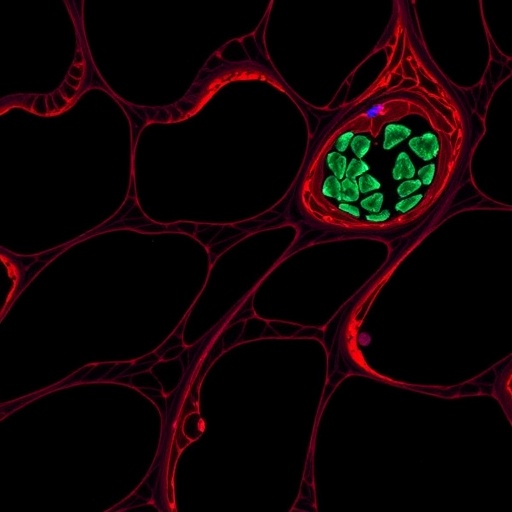
In a groundbreaking study set to reshape our understanding of cardiovascular disease, researchers have identified the transcription factor TWIST1 as a pivotal driver in the stabilization of atherosclerotic plaques through the process of endothelial-to-mesenchymal transition (EndMT). This discovery not only sheds light on the complex cellular mechanisms underpinning plaque stability but also opens new avenues for therapeutic intervention aimed at preventing life-threatening cardiovascular events.
Atherosclerosis, characterized by the accumulation of lipid-laden plaques within arterial walls, remains a leading cause of morbidity and mortality worldwide. The stability of these plaques is a critical determinant of clinical outcomes. Rupture of unstable plaques often precipitates myocardial infarctions and strokes, yet the precise molecular events governing plaque stabilization have remained elusive. This latest study, published in Nature Communications, meticulously delineates how TWIST1 modulates the transformation of endothelial cells, which line the vessel lumen, into mesenchymal-like cells, thereby fortifying the structural integrity of plaques.
Endothelial cells traditionally serve as a barrier between the bloodstream and tissues, maintaining vascular homeostasis. However, under pathological conditions, these cells can undergo EndMT, losing their endothelial characteristics and acquiring mesenchymal features such as increased migratory capacity and extracellular matrix production. TWIST1 emerges as a master regulator of this phenotypic shift, activating gene expression programs that enable endothelial cells to contribute to the fibrotic scaffold within plaques, enhancing their durability.
The researchers employed an array of sophisticated techniques, including lineage tracing, single-cell RNA sequencing, and in vivo plaque modeling, to elucidate the role of TWIST1. Their data compellingly demonstrate that endothelial cells expressing TWIST1 adopt a mesenchymal phenotype and secrete collagen and other matrix components critical for plaque reinforcement. Moreover, modulation of TWIST1 expression directly influenced plaque composition, with enhanced TWIST1 activity correlating with increased plaque stability.
Mechanistically, TWIST1 orchestrates a complex network of downstream targets implicated in cellular adhesion, migration, and extracellular matrix remodeling. The study highlights the upregulation of fibronectin, alpha-smooth muscle actin, and other mesenchymal markers concomitant with TWIST1 activation. Importantly, these molecular changes translate into histological alterations within the plaque microenvironment, solidifying the plaque cap and reducing the likelihood of rupture.
Beyond cellular and molecular analyses, the investigation extended to examining the hemodynamic influences on TWIST1 expression. Shear stress, a mechanical force acting on endothelial cells, was found to modulate TWIST1 levels, suggesting that biomechanical signals integrate with transcriptional programs to regulate EndMT and plaque stabilization. This insight underscores the multifactorial nature of atherosclerosis progression and highlights TWIST1 as a nodal point at the convergence of molecular biology and vascular biomechanics.
The translational implications of these findings are profound. Therapeutic strategies aimed at selectively enhancing TWIST1-mediated EndMT within atherosclerotic plaques could bolster their resistance to rupture, presenting a novel paradigm in cardiovascular disease management. Conversely, aberrant or excessive EndMT also bears the potential for adverse fibrosis and vascular dysfunction, necessitating precise modulation of this pathway.
In the broader context of vascular biology, this research enriches the conceptual framework regarding cellular plasticity and phenotypic transitions within diseased tissue. It reinforces the notion that endothelial cells are dynamic participants in vascular remodeling, capable of adopting diverse phenotypes in response to pathological cues. TWIST1’s role as a regulatory switch in this process provides a compelling target for further exploration.
Future studies are warranted to decipher the upstream regulators of TWIST1 in endothelial cells and to delineate the signaling cascades that integrate environmental stimuli with transcriptional control. Additionally, in vivo validation across diverse models of atherosclerosis and assessment of long-term outcomes following modulation of TWIST1-driven EndMT will be critical.
The integration of advanced imaging modalities with molecular analyses promises to yield spatial and temporal resolution of EndMT dynamics within plaques, offering unprecedented insights into disease heterogeneity. Such endeavors will be instrumental in tailoring personalized interventions for patients at risk of atherosclerotic complications.
Furthermore, this study invites a re-examination of existing therapeutic agents and their potential to influence TWIST1 expression or function. Pharmacological modulation of EndMT represents an exciting frontier, with possibilities for repurposing drugs or developing novel compounds targeting this pathway.
The convergence of vascular biology, molecular genetics, and bioengineering heralds a new era in understanding and manipulating the cellular constituents of atherosclerotic plaques. TWIST1 stands at the crossroads of these disciplines, emblematic of the intricate interplay between gene regulation and tissue architecture in health and disease.
As cardiovascular disease continues to impose a heavy global burden, research such as this propels the scientific community closer to achieving durable, mechanism-based therapies. The identification of TWIST1 as a stabilizing factor in atherosclerosis exemplifies the potential of fundamental science to inform clinical innovation and improve patient outcomes.
This landmark publication not only expands the molecular lexicon of atherosclerosis but also exemplifies the power of integrative research approaches in unraveling the complexities of vascular pathology. As the field advances, TWIST1-focused investigations are poised to yield transformative insights and therapeutic breakthroughs.
The authors, Tardajos Ayllon, Diagbouga, Das, and colleagues, have presented a compelling narrative underscoring the significance of cellular plasticity in atherosclerotic disease progression and plaque stability. Their meticulous work provides a robust platform for clinical translation and inspires renewed optimism in combating cardiovascular disease.
In sum, TWIST1-driven EndMT represents a crucial mechanism reinforcing the fibrous cap of atherosclerotic plaques, thus serving as a biological safeguard against plaque rupture. Unlocking the therapeutic potential of this pathway could transform future cardiovascular interventions, marking a critical leap forward in the prevention of myocardial infarction and stroke.
The molecular mechanisms by which TWIST1 regulates endothelial-to-mesenchymal transition to stabilize atherosclerotic plaques and the implications for cardiovascular disease.
TWIST1 Drives Endothelial-to-Mesenchymal Transition to Stabilize Atherosclerotic Plaques
Tardajos Ayllon, B., Diagbouga, M., Das, A. et al. TWIST1 drives endothelial-to-mesenchymal-transition to stabilize atherosclerotic plaques.
Nat Commun (2026). https://doi.org/10.1038/s41467-026-69808-z
Cite Scienmag News
Ophelia Keating. (February 18, 2026). TWIST1 Promotes Plaque Stability via Endothelial Transition. Scienmag. https://scienmag.com/twist1-promotes-plaque-stability-via-endothelial-transition/
Ophelia Keating. "TWIST1 Promotes Plaque Stability via Endothelial Transition." Scienmag, 18 February 2026, https://scienmag.com/twist1-promotes-plaque-stability-via-endothelial-transition/. Accessed 1 September 2026.
Ophelia Keating. "TWIST1 Promotes Plaque Stability via Endothelial Transition." Scienmag. February 18, 2026. https://scienmag.com/twist1-promotes-plaque-stability-via-endothelial-transition/


