


Intraventricular hemorrhage (IVH) remains one of the most devastating neurological complications in preterm infants, yet a groundbreaking study now reveals a startlingly wide variation in both mortality rates and treatment approaches for post-hemorrhagic hydrocephalus (PHH), a frequent and severe sequela of the condition. Published in the Journal of Perinatology, the research conducted by Mahaney, Cheetham-West, Cui, and colleagues sheds new light on the landscape of neonatal critical care, exposing inconsistencies that may critically influence outcomes for the most vulnerable patients.
Preterm infants, particularly those born severely premature, are at increased risk for IVH due to the fragility of the germinal matrix vasculature and immature cerebral autoregulation. When bleeding into the brain’s ventricular system occurs, it sets the stage for a cascade of neurological damage. Importantly, about half of severe IVH cases progress to post-hemorrhagic hydrocephalus, a pathological accumulation of cerebrospinal fluid that exacerbates brain injury by increasing intracranial pressure. Until now, the clinical community had limited comprehensive data on how these patients fare in terms of survival and management strategies worldwide.
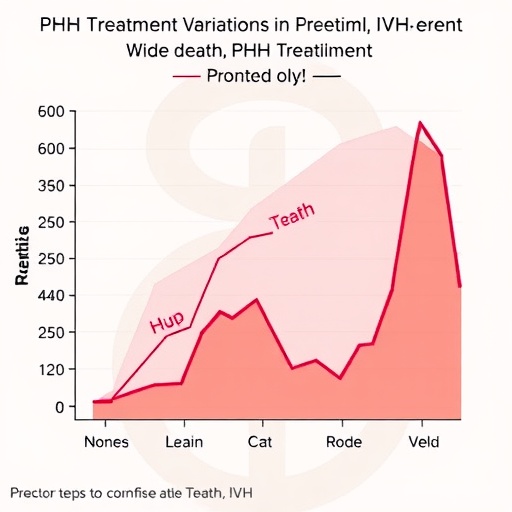
This extensive multicenter investigation analyzed outcomes from numerous neonatal intensive care units, revealing an alarming disparity in death rates associated with severe IVH. Data showed that mortality varied strikingly across institutions, even when accounting for similar patient characteristics and severity of hemorrhage. The study posits that these variations may reflect differences in institutional protocols, resource availability, and clinical decision-making in managing complex neonatal brain injuries.
Beyond mortality, the treatment of post-hemorrhagic hydrocephalus is far from standardized. The research highlights an equally wide spectrum of approaches, ranging from conservative management and temporary cerebrospinal fluid diversion techniques to permanent cerebrospinal fluid shunting procedures. Notably, the timing of intervention varied significantly, suggesting a lack of consensus on when to initiate treatment to optimize neurological outcomes and minimize risks.
The pathophysiology underpinning PHH involves a multifactorial process. After hemorrhage, the breakdown products of blood provoke inflammation and fibrosis within the ventricular system, impeding normal cerebrospinal fluid absorption and flow dynamics. Consequently, the progressive ventricular dilation causes increased pressure on the fragile cerebral tissues, potentially leading to irreversible damage. Understanding the nuances of these mechanisms is crucial to developing targeted therapies that can mitigate injury while maintaining physiological balance.
In their analysis, the researchers delved into the impact of demographic and clinical variables, such as gestational age at birth, severity grading of IVH, and comorbid conditions like sepsis or respiratory distress syndrome. While some factors predict outcomes to a degree, the persistence of wide outcome variability even after adjustment underscores the influence of systemic and operational factors in neonatal care delivery.
This heterogeneity in practice patterns raises important implications for the field of neonatology and neonatal neurosurgery. The lack of universally accepted guidelines for PHH treatment suggests the urgent need for collaborative protocols that balance efficacy with safety. Creating shared decision-making frameworks that incorporate emerging evidence, expert consensus, and family preferences may help harmonize care and reduce outcome disparities.
The findings also illuminate a critical gap in long-term neurodevelopmental follow-up data, which is essential to fully appreciate the implications of different treatment strategies. While survival is a key endpoint, the quality of life and functional capabilities of survivors must be considered in evaluating therapeutic success. Future research should prioritize establishing registries and standardized metrics for longitudinal assessment.
Importantly, the study’s revelations carry potential ramifications beyond individual institutions. They highlight systemic challenges in healthcare infrastructure, such as inequities in access to specialized neonatal care teams and advanced neurosurgical resources. Addressing these disparities requires health policy interventions and resource allocation strategies that prioritize equitable care for all newborns, regardless of geographic or socioeconomic status.
Attention should also be given to emerging technologies and treatment modalities, including the use of minimally invasive neurosurgical techniques and advanced brain imaging that may enable earlier detection and intervention. Incorporating cutting-edge research into clinical practice mandates ongoing education and training to bridge the gap between innovation and bedside application.
The researchers underscore the importance of multidisciplinary collaboration in managing severe IVH and PHH, integrating neonatologists, neurologists, neurosurgeons, radiologists, and allied health professionals to formulate individualized treatment plans. Such collaborative efforts foster holistic care approaches that address both acute neurological insults and ongoing developmental support needs.
This study represents a clarion call to the neonatal care community, urging a concerted effort to standardize and optimize the treatment of severe IVH and its complications. By leveraging data-driven insights and fostering international cooperation, it is conceivable to improve survivorship and reduce the long-term burden of neurodevelopmental impairment in this fragile population.
In the context of rapidly advancing neonatal medicine, these findings emphasize the necessity for rigorous clinical trials and well-designed comparative effectiveness studies to delineate best practices. Such trials should aim to clarify the optimal timing, type, and intensity of interventions for PHH and assess their impact on survival, neurodevelopmental outcomes, and healthcare resource utilization.
Ultimately, the study by Mahaney et al. opens new avenues for research and clinical intervention, guiding the community toward achieving more equitable and effective care for preterm infants afflicted by severe intraventricular hemorrhage. By confronting the variability in outcomes head-on and advocating for standardized care pathways, this work holds promise to transform the prognosis of one of neonatology’s most formidable challenges.
Cite Scienmag News
Harold Sullivan. (February 18, 2026). Wide Death Rate, PHH Treatment Variations in Preterm IVH. Scienmag. https://scienmag.com/wide-death-rate-phh-treatment-variations-in-preterm-ivh/
Harold Sullivan. "Wide Death Rate, PHH Treatment Variations in Preterm IVH." Scienmag, 18 February 2026, https://scienmag.com/wide-death-rate-phh-treatment-variations-in-preterm-ivh/. Accessed 3 September 2026.
Harold Sullivan. "Wide Death Rate, PHH Treatment Variations in Preterm IVH." Scienmag. February 18, 2026. https://scienmag.com/wide-death-rate-phh-treatment-variations-in-preterm-ivh/


