


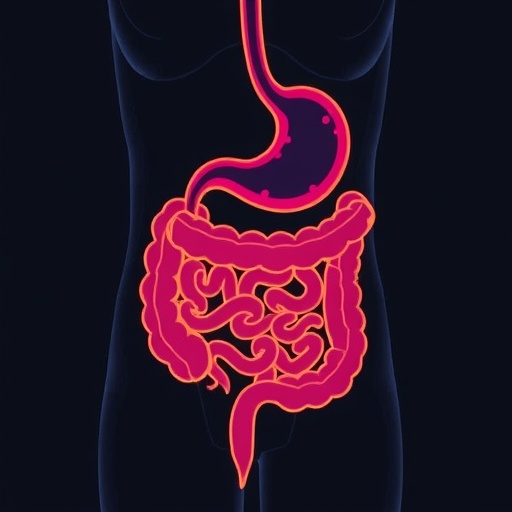
In the ever-evolving landscape of psychiatric research, a groundbreaking discovery has emerged from the microscopic depths of the human digestive tract, potentially altering how we perceive and treat bipolar depression in adolescents. For decades, the scientific community focused primarily on the neurochemical imbalances within the brain, yet a revolutionary study published in Translational Psychiatry suggests that the true architects of mental health might be residing in our gut. This deep dive into the fecal metaproteome of young patients has unveiled a complex interplay between microbial populations and intestinal proteins, suggesting that the turbulence of bipolar disorder is not just a storm in the mind, but a systemic imbalance that echoes through the entire body. By analyzing the functional output of the gut microbiota, researchers have opened a biological “black box,” providing a visceral look at how microscopic lifeforms influence the emotional and cognitive stability of the developing teenage brain.
The methodology employed in this study marks a significant departure from traditional genomic sequencing, which merely identifies which bacteria are present. Instead, the team utilized advanced metaproteomics to observe what these bacteria are actually doing—the proteins they express and the metabolic pathways they activate. This functional perspective is crucial because it bridges the gap between the presence of a microbe and its physiological impact on the host. In adolescents suffering from bipolar depression, the researchers identified a distinct proteomic signature characterized by a significant deviation from healthy controls. This metabolic “fingerprint” suggests that the biological environment of the gut undergoes a profound shift during depressive episodes, characterized by the upregulation of specific bacterial proteins involved in nutrient metabolism and oxidative stress response. Such findings indicate that the gut is not merely a passive observer of mental health but an active participant in the pathophysiology of psychiatric disorders.
One of the most compelling aspects of this research is its focus on the adolescent population, a critical developmental window where the brain undergoes massive structural and functional reorganization. During these formative years, the gut-brain axis is particularly sensitive to internal and external stressors, making the discovery of specific protein alterations even more significant. The study found that certain intestinal proteins, specifically those involved in maintaining the mucosal barrier and facilitating immune responses, were markedly different in teenagers with bipolar depression. This suggests that the “leaky gut” phenomenon, often discussed in the context of physical autoimmune diseases, may play a definitive role in neuroinflammation. When the intestinal barrier is compromised, microbial byproducts can enter the bloodstream and eventually cross the blood-brain barrier, triggering an inflammatory cascade that disrupts mood regulation and cognitive function in vulnerable young minds.
Deep within the data, specific bacterial taxa were linked to the production of enzymes that interfere with the synthesis of neurotransmitters. For instance, the researchers observed alterations in proteins related to the metabolism of tryptophan, the essential precursor to serotonin. In healthy individuals, the gut microbiota helps maintain a delicate balance that ensures adequate serotonin levels reach the brain. However, in adolescents with bipolar depression, the metaproteomic profile suggested a “shunting” of these biological pathways toward the production of neurotoxic metabolites such as kynurenine. This metabolic hijacking means that even if a patient’s diet is perfect, their internal microbial machinery might be working against them, starving the brain of the chemistry it needs to maintain emotional equilibrium. This realization shifts the blame away from the patient’s willpower and places the focus squarely on the intricate, automated processes of the internal microbiome.
The intricate dance between the host’s intestinal proteins and the microbial metaproteome also revealed a surprising link to oxidative stress markers. The study highlighted an overabundance of proteins associated with cellular defense mechanisms against reactive oxygen species, suggesting that the gut environment in bipolar depression is one of constant biological warfare. This state of perpetual inflammation and oxidative strain doesn’t just stay localized in the intestines; it resonates throughout the entire nervous system. The implications are staggering, as they suggest that the traditional “top-down” approach to psychiatry—treating the brain to fix the mind—might be incomplete. Instead, a “bottom-up” strategy, focusing on stabilizing the gut proteome and repairing the intestinal lining through targeted biotics or nutritional interventions, could become a cornerstone of future therapeutic protocols for adolescents.
Furthermore, the researchers identified specific microbial proteins that mimic human signaling molecules, a phenomenon known as molecular mimicry. In the context of bipolar depression, these bacterial proteins might inadvertently trigger the host’s immune system to attack its own tissues or disrupt the signaling of endogenous hormones. This adds a layer of complexity to the disorder, suggesting that bipolar depression might have an unrecognized autoimmune component driven by gut dysbiosis. The presence of these “imposter” proteins in the fecal samples of adolescents provides a tangible biomarker that could eventually be used for early diagnosis. Imagine a world where a simple stool test could help a clinician differentiate between standard adolescent angst and the early stages of a serious psychiatric condition, allowing for intervention long before a total mental health crisis occurs.
The study also dives deep into the role of the proteome in energy metabolism, specifically how the gut microbiota influences the host’s ability to process carbohydrates and lipids. Adolescents with bipolar depression showed a significant shift in energy-harvesting proteins, which may explain the common symptoms of lethargy and weight fluctuations associated with the disorder. When the gut’s “engine” is misfiring at a proteomic level, the body struggles to maintain the steady energy supply required for high-level cognitive processing and emotional regulation. This metabolic dysfunction creates a vicious cycle: the brain lacks the energy to regulate mood, the resulting stress further disrupts the gut microbiome, and the proteomic imbalance worsens. Breaking this cycle requires a holistic understanding of the patient as a biological ecosystem, rather than just a collection of psychological symptoms.
The sheer scale of the data processed in this metaproteomic analysis is a testament to the power of modern bioinformatics. By cataloging thousands of individual proteins, the research team was able to construct a vibrant, high-definition map of the intestinal landscape. They found that the diversity of protein functions was significantly reduced in the bipolar group, a sign that the microbial ecosystem had lost its resilience. Much like a diverse forest is more resistant to fire, a diverse gut proteome is essential for psychological stability. The loss of functional diversity observed in these adolescents suggests that their internal ecosystems are fragile, making them more susceptible to the shifts in mood that characterize bipolar disorder. This “ecological” view of mental health is a radical departure from the localized “chemical imbalance” theories of the 21st century.
Technical experts reviewing the study have pointed out the significance of the human-derived proteins found in the fecal samples. Unlike previous studies that focused solely on the bacteria, this research looked at the proteins produced by the human host in response to those bacteria. The presence of specific human inflammatory markers and structural proteins in the stool suggests that the intestinal wall is under significant stress in bipolar patients. This cross-talk between the host and the microbe—recorded in the language of proteins—is the key to understanding the systemic nature of many psychiatric conditions. It suggests that the gut is not just a place where digestion happens, but a sophisticated sensory organ and immune command center that informs the brain about the state of the body’s internal safety.
As this research gains viral traction in both the scientific community and the public sphere, it challenges the stigma surrounding mental health by rooting psychiatric symptoms in hard, biological evidence. If bipolar depression is linked to a measurable proteomic imbalance in the gut, it becomes as much a medical condition as diabetes or asthma. This shift in perspective is particularly vital for adolescents, who often struggle with the identity-related challenges of a psychiatric diagnosis. Seeing their struggle through the lens of a “microbial mismatch” or “proteomic shift” can empower patients and their families to seek comprehensive treatments that include diet, probiotics, and lifestyle changes alongside traditional therapy and medication. It transforms the patient from a victim of their own mind into a steward of their internal biological garden.
Looking toward the future, the implications for drug development are immense. Current psychiatric medications often come with a host of side effects because they affect the entire central nervous system. However, if we can develop “postbiotics”—specific proteins or metabolites that mimic the beneficial effects of a healthy gut proteome—we might be able to treat bipolar depression at its source without the systemic side effects of traditional mood stabilizers. The Translational Psychiatry paper serves as a roadmap for these future therapies, identifying the exact proteins that are missing or overproduced in adolescents. By restoring the metaproteomic balance, we could potentially provide a level of emotional stability that was previously unachievable for many young people, effectively “rebooting” the gut-brain axis for optimal performance.
The researchers also emphasized the importance of the “meta”-nature of their study, which considers the collaborative output of the entire microbial community rather than focusing on a single “hero” or “villain” bacterium. In the past, we looked for a single microbe that caused depression, but we now know that it is the collective behavior—the “chorus” of the proteins—that determines the outcome. In adolescents with bipolar depression, this chorus is out of tune, with certain voices being too loud and others being silenced entirely. The metaproteomic approach allows us to hear the whole symphony, providing a more accurate and nuanced understanding of the biological reality. This holistic perspective is essential for tackling the multifaceted nature of bipolar disorder, which rarely has a single, simple cause.
As we stand on the brink of this new era in “microbial psychiatry,” the study by Zhao and colleagues serves as a beacon of hope for millions of families. It validates the lived experience of those who have felt that their physical and mental health were inextricably linked. The viral nature of these findings stems from their ability to bridge the gap between complex science and intuitive understanding. Most people have felt “gut feelings” or the “butterflies” of anxiety; this research provides the clinical proof that those sensations are just the tip of the iceberg. Beneath the surface lies a vast, complex world of protein signaling that governs our most profound emotions and cognitive abilities, waiting to be understood and healed.
Ultimately, the revelation that fecal metaproteomics can reveal the inner workings of the adolescent bipolar brain is a reminder of the interconnectedness of all biological systems. The human body is not a series of isolated compartments, but a unified whole where the health of one part depends on the health of the rest. This research demands a more integrated approach to medicine, where psychiatrists, gastroenterologists, and nutritionists work in tandem to treat the whole person. By listening to the message sent by the gut’s proteins, we can begin to write a new story for adolescent mental health—one where balance is restored, the “leaky gut” is healed, and the mind is freed from the invisible biological anchors that hold it back from reaching its full potential.
Zhao, Z., Yang, F., Tan, Y. et al. Fecal metaproteomics reveals alterations in gut microbiota and intestinal proteins in adolescents with bipolar depression.
Transl Psychiatry (2026). https://doi.org/10.1038/s41398-026-03899-6
Cite Scienmag News
Glenn Wilkins. (February 14, 2026). Gut Changes Linked to Adolescent Bipolar Depression. Scienmag. https://scienmag.com/gut-changes-linked-to-adolescent-bipolar-depression/
Glenn Wilkins. "Gut Changes Linked to Adolescent Bipolar Depression." Scienmag, 14 February 2026, https://scienmag.com/gut-changes-linked-to-adolescent-bipolar-depression/. Accessed 3 September 2026.
Glenn Wilkins. "Gut Changes Linked to Adolescent Bipolar Depression." Scienmag. February 14, 2026. https://scienmag.com/gut-changes-linked-to-adolescent-bipolar-depression/


