


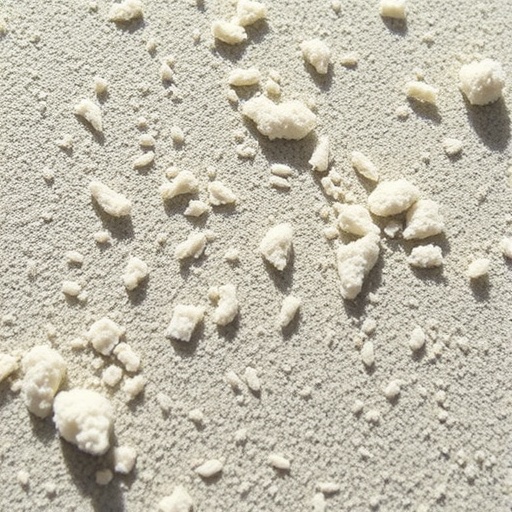
The silent invasion of our living spaces has reached a critical turning point as groundbreaking research unveils a hidden chemical landscape teeming with substance classes we have long ignored. While worldwide attention has focused on the legacy “forever chemicals” that contaminate our water and blood, a provocative new study led by A.M. McIntyre and colleagues reveals that the true giants of indoor pollution are actually understudied precursor compounds lurking within the very dust of our homes. These findings, recently detailed in the Journal of Exposure Science & Environmental Epidemiology, suggest that our understanding of per- and polyfluoroalkyl substances, or PFAS, has been dangerously narrow, overlooking a massive reservoir of chemical precursors that eventually transform into the persistent toxins we fear most. By examining the domestic environment of Rochester, New York, the research team has unlocked a Pandora’s box of molecular diversity, proving that the chemical cocktail in our carpets and upholstery is far more complex and concentrated than previously estimated by standard investigative protocols.
The atmospheric chemistry of a modern home is an intricate web of release and degradation where synthetic materials shed invisible particles every second of every day. To understand the gravity of this pilot study, one must first grasp the sheer scale of the PFAS family, which encompasses thousands of synthetic organic compounds characterized by their incredibly strong carbon-fluorine bonds. These bonds are essentially unbreakable by natural biological processes, earning them the “forever chemical” moniker that has fueled international health scares and massive legal settlements. However, the scientific community is now shifting its gaze toward precursors—larger, often more volatile molecules like fluorotelomer alcohols and sulfonamides—that act as the biological and environmental ancestors to the legacy compounds like PFOA and PFOS. The Rochester study demonstrates that these precursors do not just exist in our homes; they dominate the chemical profile of household dust, representing a latent threat that sits silently under our feet, waiting to be inhaled, ingested, or absorbed through the skin by the most vulnerable members of our families.
One of the most startling revelations from the McIntyre team involves the sheer magnitude of the concentration gap between what we used to measure and what is actually present in the domestic environment. For decades, environmental health assessments focused on a small basket of roughly thirty well-known PFAS compounds, but this new pilot study utilized advanced analytical techniques to screen for a much wider array of emerging precursors. The results indicate that these understudied precursors can account for the vast majority of the total organofluorine mass found in dust samples, often exceeding the levels of “traditional” PFAS by several orders of magnitude. This means that if we only look for the famous chemicals, we are essentially blind to ninety percent of the total chemical burden in our homes. This massive discrepancy suggests that current regulatory frameworks and safety guidelines may be drastically underestimating the true level of human exposure, as these precursors are effectively a ticking time bomb, slowly degrading into more toxic and mobile forms over time through oxidation and metabolic processes.
The geographical focus on Rochester, New York, provides a poignant micro-level perspective on a macro-level global crisis, showing how socio-economic factors and housing age might influence the chemical signatures found in our private sanctuaries. The researchers meticulously collected dust samples from diverse households, uncovering a startling variety of chemical fingerprints that correlate with modern consumer choices and legacy structural materials. From the stain-resistant coatings on sofas to the non-stick finishes on cookware and the water-repellent treatments on outdoor gear stored indoors, every synthetic convenience contributes to this invisible accumulation. The study highlights that the indoor environment acts as a concentrated repository where these chemicals, which would otherwise be diluted in the vastness of the atmosphere, become trapped and concentrated. This creates a high-stakes ecological experiment where human inhabitants, particularly crawling toddlers who have high hand-to-mouth activity, serve as the primary subjects for chronic, low-dose exposure to a cocktail of chemicals whose cumulative health effects are still largely unknown to medical science.
To appreciate the technical sophistication of this research, one must look at the analytical hurdles the team had to overcome to identify these elusive precursors. Unlike the stable legacy PFAS, precursors often have diverse chemical structures that make them difficult to capture using standard liquid chromatography combined with tandem mass spectrometry. The researchers had to push the boundaries of forensic chemistry to identify these “phantom” molecules, many of which are proprietary trade secrets held by chemical manufacturers. By utilizing high-resolution mass spectrometry and non-target screening methods, they were able to detect the signature of fluorine-rich molecules that had never been factored into human health risk assessments before. This technical breakthrough is a wake-up call for the scientific community, signaling that our previous “snapshot” methodologies were insufficient for capturing the full cinematic complexity of chemical degradation indoors. It reveals a hidden cycle of chemical “parenting,” where large, complex precursors are the source of an endless lineage of smaller, more toxic terminal products.
The implications for public health are profound and deeply unsettling, especially when considering the developmental windows of children growing up in these environments. PFAS precursors are not inert; many are thought to possess their own unique toxicological profiles, potentially interfering with hormonal signaling and metabolic pathways even before they break down into terminal PFAS. The Rochester pilot study underscores that the dust we vacuum up or see dancing in a sunbeam is not just organic debris; it is a vector for a highly engineered chemical load. As these precursor molecules enter the human body, they can undergo biotransformation, where the liver treats them as metabolic puzzles, inadvertently converting them into the very legacy toxins that have been linked to cancer, immune system suppression, and thyroid dysfunction. Thus, the home environment becomes a secondary manufacturing site for toxic chemicals, where the raw materials are provided by our furniture and the final toxic products are synthesized within our own biological systems.
As this research gains viral momentum, it is sparking a heated debate about the “chemical whack-a-mole” played by industrial manufacturers who replace banned substances with structurally similar alternatives. These “GenX” or next-generation precursors were often marketed as safer alternatives because they were less documented in the scientific literature, but studies like the one from McIntyre and Udesky are proving that these replacements are just as persistent and perhaps even more pervasive in our living quarters. The dominance of these precursors in household dust suggests that the chemical industry has successfully stayed several steps ahead of regulators, flooding the market with novel variations that avoid detection by standard testing kits. This creates a false sense of security for consumers who believe that moving away from PFOA and PFOS has solved the problem, when in reality, they may be surrounding themselves with more complex molecular precursors that pose the same long-term environmental and biological risks.
The sociological impact of these findings cannot be ignored, as they highlight a new frontier of environmental injustice where the safety of one’s home is determined by chemical literacy and the ability to afford “PFAS-free” alternatives. In many urban environments like Rochester, residents may be living in older housing stock or utilizing second-hand furniture that continues to off-gas and shed these precursors for decades after their initial manufacture. The study’s focus on indoor dust as a primary exposure route shifts the conversation from industrial waste sites to the very heart of the family unit. It suggests that even if we were to stop all industrial PFAS production tomorrow, the legacy of these precursors already embedded in our homes would continue to pose a threat for generations to come. This realization demands a radical rethink of how we design indoor spaces and what materials we deem acceptable for the sanctuary of the home, pushing for a move toward “benign by design” chemistry that does not leave a permanent toxic footprint.
Looking closer at the technical data provided by the McIntyre study, it becomes clear that the concentration of precursors is not uniform across all dust particles, but rather concentrates in specific fractions that are easily mobilized. This creates a highly dynamic environment where chemical exposure is constant and multifaceted, occurring through the air we breathe and the surfaces we touch. The researchers noted that certain precursor classes, such as those used in textile treatments, showed a remarkably high correlation with the total fluorine content of the dust, suggesting that our clothing and upholstery are among the most significant contributors to this indoor burden. These insights are crucial for developing targeted intervention strategies, such as specialized air filtration or specific cleaning protocols, that can help mitigate the risks. However, the study also warns that these are merely band-aid solutions to a systemic problem rooted in the over-reliance on fluorinated chemistry for trivial consumer benefits.
This landmark Rochester study also serves as a critical call to action for the global scientific community to standardize the way we measure and report on the “PFAS universe.” Current datasets are fragmented and often incomparable because of the lack of focus on precursors, but the work of McIntyre, Udesky, and Korfmacher provides a roadmap for a more holistic approach. By demonstrating the dominance of understudied precursors, they have effectively moved the goalposts for future environmental health research. We can no longer afford to ignore the “dark matter” of the PFAS world; we must integrate these precursors into our models of bioaccumulation and toxicity. The viral nature of this news is a testament to the public’s growing anxiety over chemical transparency, as more people realize that the “fresh” smell of new furniture might actually be the scent of a long-term health hazard settling into the corners of their bedrooms.
Furthermore, the pilot study raises intriguing questions about the interaction between these chemicals and the indoor microbiome, a field of study that is only just beginning to emerge. It is possible that the bacteria and fungi living in our household dust are also interacting with these PFAS precursors, potentially accelerating their breakdown or creating even more complex metabolic byproducts. The chemical-biological interface in our homes is a frontier of discovery that this research has cracked wide open. If microbial communities can alter the persistence of precursors, then our cleaning habits—using antibacterial soaps or specific detergents—might inadvertently change the chemical risk profile of our living spaces. This adds another layer of complexity to the Rochester findings, suggesting that the “understudied” nature of these precursors extends into how they behave within the living ecosystem of a modern urban residence.
As we move forward into an era of increased chemical scrutiny, the Rochester pilot study will likely be remembered as the moment when the “precursor problem” was brought to the forefront of the public consciousness. The researchers’ ability to link micro-scale dust analysis with macro-scale health concerns illustrates a masterful command of environmental science and public health advocacy. Their work does not just provide data; it provides a narrative of hidden risks and the need for a precautionary approach to chemical manufacturing. The dominance of these substances in our homes is a stark reminder that we are living in a world of our own making, where the conveniences of the twentieth century have created the environmental challenges of the twenty-first. It is a call for transparency from manufacturers and a demand for more rigorous oversight from government bodies tasked with protecting the public from invisible threats.
The ultimate takeaway from this research is that the definition of “clean” must be radically updated for the modern age. We can no longer judge the health of our homes by the absence of visible dirt or the presence of a pleasant scent; we must consider the molecular reality of the dust that settles on our bookshelves and under our beds. The Rochester study proves that the most significant chemical threats are the ones we aren’t even looking for yet, hiding in plain sight as understudied precursors. This realization should drive a new wave of consumer activism and regulatory reform, aimed at eliminating non-essential uses of PFAS and ensuring that whatever chemicals we bring into our homes have been fully vetted for their lifetime of degradation products. The “forever” in “forever chemicals” starts at home, and thanks to this research, we finally have a clearer picture of exactly what that looks like.
In conclusion, the work of McIntyre, Udesky, and the rest of the team provides a vital piece of the puzzle in our ongoing effort to understand human exposure to synthetic chemicals. By shining a light on the dominance of understudied PFAS precursors in household dust, they have challenged existing paradigms and set the stage for a new generation of atmospheric and toxicological research. As this study circulates through the global scientific community and captures the attention of the media, it serves as a powerful reminder that our homes are the primary interface between our bodies and the industrial world. To protect our health and the health of future generations, we must look deeper into the dust, beyond the chemicals we know, and into the vast, understudied world of precursors that currently define the invisible atmosphere of our everyday lives.
Cite Scienmag News
Ophelia Keating. (February 13, 2026). Hidden PFAS Precursors Dominate Household Dust Samples. Scienmag. https://scienmag.com/hidden-pfas-precursors-dominate-household-dust-samples/
Ophelia Keating. "Hidden PFAS Precursors Dominate Household Dust Samples." Scienmag, 13 February 2026, https://scienmag.com/hidden-pfas-precursors-dominate-household-dust-samples/. Accessed 4 September 2026.
Ophelia Keating. "Hidden PFAS Precursors Dominate Household Dust Samples." Scienmag. February 13, 2026. https://scienmag.com/hidden-pfas-precursors-dominate-household-dust-samples/


