


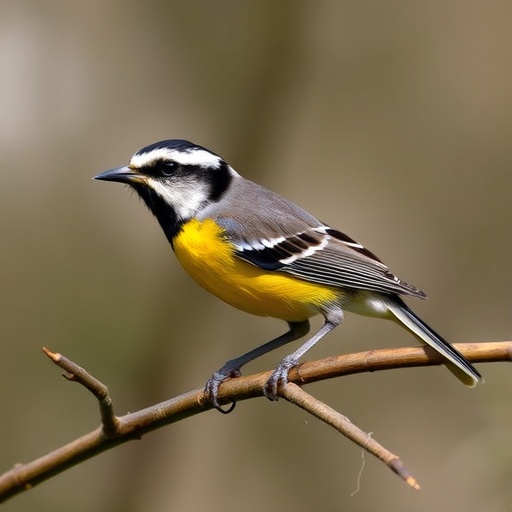
In a groundbreaking study set to impact conservation practices along the Black Sea, researchers have unveiled critical data on the survival rates of bird populations affected by fuel oil contamination. The study’s authors, including prominent figures such as S. Gorbachev, O.G. Gorovykh, and A. Mani, utilize advanced statistical methods, namely the Kaplan-Meier and Cox survival analysis, to elucidate the ramifications of environmental disasters on avian life. Highlighted by the repercussions of fuel oil pollution, this compelling research sheds light on both the challenges faced by these species and the conservation measures that may be required to ensure their continued survival.
The Black Sea, a crucial habitat for numerous species of birds, is facing significant ecological threats. One of the most pressing issues comes from anthropogenic activities, particularly oil spills and contamination that dramatically alter the ecosystem. Fuel oil not only affects the immediate health of birds but also disrupts their breeding grounds, foraging behavior, and migratory routes. The research captures the urgency of addressing such environmental challenges, emphasizing the need for immediate conservation measures that can mitigate these threats.
At the heart of the study is the meticulous application of the Kaplan-Meier survival analysis, a statistical tool widely regarded for its effectiveness in estimating the survival function from lifetime data. Researchers leveraged this model to differentiate between the survival rates of contaminated birds and those in less affected areas. Their findings paint a striking picture of the disparities in survival outcomes, underscoring the dire need for targeted conservation strategies.
In conjunction with the Kaplan-Meier analysis, the Cox proportional hazards model was employed to ascertain the impact of several covariates on the survival rates of these birds. This dual approach enables a comprehensive understanding of not just whether fuel oil contamination affects survival, but also how different factors—such as species type, age, and environmental conditions—interact with this toxic exposure. The integration of these methodologies enhances the robustness of the study’s conclusions, providing actionable insights into conservation efforts.
The results varied dramatically across species observed within the Black Sea region. Notably, some species demonstrated remarkable resilience to fuel oil exposure, while others exhibited alarming declines in survival rates. This pattern indicates that conservation strategies cannot be one-size-fits-all; rather, they must be tailored to accommodate the unique biological and ecological characteristics of different species. Such insights are invaluable for conservationists, providing a clearer path to developing effective interventions.
Moreover, the study highlights the ecological interconnectedness of the Black Sea. The impact of fuel oil contamination extends beyond individual species, affecting the broader ecosystem dynamics. As birds play crucial roles in pest control, pollination, and the dispersal of seeds, their decline due to environmental stressors can have cascading effects on other wildlife and plant species. This interconnectedness emphasizes the urgency of addressing pollution within the Black Sea, as neglecting these issues could lead to an extensive decline in biodiversity.
The implications of Gorbachev et al.’s research extend into policy and environmental management realms. By illuminating the statistical realities of survival rates and the specific vulnerabilities of different bird species, the study serves as a wake-up call for policymakers and conservation agencies. It underscores the importance of instituting stricter regulations concerning pollution and habitat conservation, particularly in ecologically sensitive areas prone to contamination.
Furthermore, the findings demonstrate the importance of ongoing monitoring and surveillance of bird populations in the Black Sea. The researchers stress that continual assessment of environmental contaminants and their effects on wildlife is crucial for developing adaptive management strategies that can respond to emerging threats. They advocate for an interdisciplinary approach that unites ecologists, statisticians, and policymakers in addressing these critical conservation issues.
Interestingly, the study also opens avenues for future research. While the current findings provide valuable insights into the effects of fuel oil on bird populations, there is still much more to explore within the realm of ecosystem health. This includes investigating the sub-lethal effects of contaminants and their potential role in altering reproductive success, behavior, and overall ecosystem resilience. Such inquiries could yield even deeper understanding essential for developing comprehensive conservation strategies.
As the study’s authors conclude, the road towards conserving Black Sea birds is fraught with challenges, but there is hope in the data they have presented. Through the application of robust statistical models and insightful analyses, they have laid a foundational understanding necessary for informing effective conservation measures. With the right actions and policies informed by this research, there is potential to foster a healthier environment for the diverse avian life that calls the Black Sea home.
In summation, the study not only amplifies awareness regarding the impacts of human activity on wildlife but also actively contributes to the conservation discourse by presenting evidence-based recommendations. This research stands as a testament to the power of scientific inquiry in driving change for the betterment of our natural environment. Immediate action, informed by the findings of Gorbachev and colleagues, is vital in preserving the vibrancy of life in the Black Sea and ensuring future generations inherit a planet rich in biodiversity.
Through this impactful work, the researchers remind us that the health of our planet is intricately tied to the survival of its myriad species. As the world continues to grapple with climate change and environmental degradation, such studies are crucial in guiding effective responses. The survival of the Black Sea’s birds may well signal the broader health of their ecosystems, urging us to take note of the signs and act before it is too late.
Finally, as this study calls for focused conservation efforts, it also encourages collective responsibility among global citizens. Each one of us can play a role in environmental stewardship, advocating for policy changes and supporting conservation initiatives. The survival of these birds—and many other species—lies not just in the hands of scientists and policymakers, but in our collective commitment to preserving natural habitats and addressing the threats posed by pollution and climate change.
Gorbachev, S., Gorovykh, O.G., Mani, A. et al. Kaplan-Meier and Cox survival analysis of fuel oil-contaminated Black Sea birds reveals potential conservation measures.
Commun Earth Environ (2026). https://doi.org/10.1038/s43247-026-03274-9
Cite Scienmag News
Margaret Porter. (February 12, 2026). Survival Analysis Identifies Conservation Strategies for Contaminated Birds. Scienmag. https://scienmag.com/survival-analysis-identifies-conservation-strategies-for-contaminated-birds/
Margaret Porter. "Survival Analysis Identifies Conservation Strategies for Contaminated Birds." Scienmag, 12 February 2026, https://scienmag.com/survival-analysis-identifies-conservation-strategies-for-contaminated-birds/. Accessed 4 September 2026.
Margaret Porter. "Survival Analysis Identifies Conservation Strategies for Contaminated Birds." Scienmag. February 12, 2026. https://scienmag.com/survival-analysis-identifies-conservation-strategies-for-contaminated-birds/


