


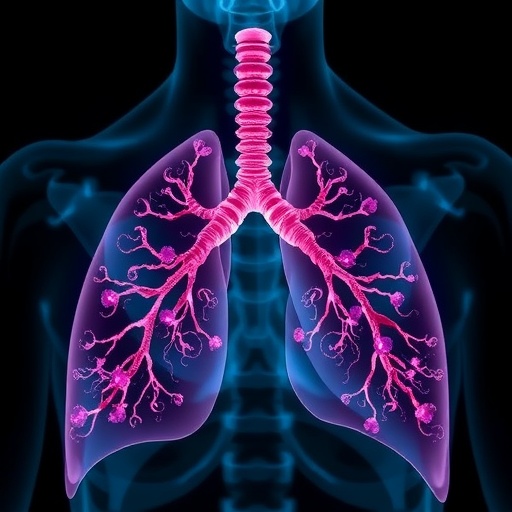
As global efforts to curb tobacco smoking have gradually borne fruit, a perplexing and increasingly significant subset of lung cancer has come to the forefront of oncological research: lung cancer in individuals who have never smoked. Traditionally, lung cancer has been intimately associated with tobacco use, but this paradigm is undergoing a fundamental shift. These cases, officially termed lung cancer in never-smokers (LCINS), are beginning to constitute a larger proportion of lung cancer diagnoses worldwide. Unlike tobacco-related counterparts, LCINS often evade early detection and present clinically at advanced stages where therapeutic options are limited and prognosis is poor. This emergent medical challenge has galvanized researchers from multiple disciplines to dissect the underlying biology, unravel risk factors distinct from smoking, improve screening methodologies, and revolutionize treatment protocols tailored specifically to LCINS.
One of the foremost hurdles in this domain is the identification of precise risk factors that drive LCINS pathology. Unlike smokers, where exposure to carcinogenic tobacco smoke provides a clear etiological basis, never-smokers lack this obvious causative agent, complicating risk stratification and prevention efforts. Contemporary studies underscore an array of potential contributors including inherited germline mutations, environmental exposures such as prolonged inhalation of radon gas, ambient air pollution particulates, second-hand tobacco smoke, and even occupational radiation. Investigations into these drivers are facilitated by large-scale genomic and epidemiological analyses that have begun to elucidate polymorphisms in genes regulating DNA repair, cellular proliferation, and inflammatory responses. This molecular insight is critical to discerning which subpopulations among never-smokers might possess an elevated predisposition to develop lung malignancies despite the absence of personal smoking history.
Clinically, LCINS often manifests with subtle, nonspecific symptoms such as chronic cough, unexplained fatigue, and dysphagia, symptoms easily misattributed to benign respiratory or digestive conditions. This symptom ambiguity poses a diagnostic conundrum. Physicians and patients alike fail to associate these warning signs with cancer, especially within a framework that traditionally correlates lung neoplasms with smoking. Consequently, diagnostic imaging and specialist referrals are frequently delayed, resulting in late-stage tumor discovery when curative treatment options, like surgical resection or targeted therapies, are less effective or no longer viable. Enhancing awareness that never-smokers remain vulnerable to lung cancer is imperative to prompt timely clinical suspicion, earlier diagnostic interventions such as low-dose computed tomography (LDCT), and personalized screening protocols tailored to this subgroup, potentially transforming disease trajectories.
The biological landscape of LCINS diverges markedly from that of smoking-associated lung cancers at the molecular level. A distinctive feature is the predominance of adenocarcinoma histology within LCINS cases. Genomic profiling reveals that tumors in never-smokers harbor specific “driver” oncogenic mutations — notably mutations in the epidermal growth factor receptor (EGFR) gene and fusion events involving anaplastic lymphoma kinase (ALK) — which are amenable to targeted small-molecule inhibitors. These molecular therapeutic targets have revolutionized treatment paradigms for LCINS, offering enhanced efficacy with fewer side effects compared to conventional chemotherapy. Concomitantly, LCINS tumors exhibit a lower burden of somatic mutations, correlating with diminished responsiveness to immunotherapies such as immune checkpoint inhibitors that have shown promise in high-mutation burden cancers. These findings highlight the necessity of refining therapeutic regimens for never-smoker patients based on their unique tumor biology.
Screening initiatives have conventionally concentrated on individuals with substantial smoking histories, using criteria such as pack-years to define eligibility for lung cancer screening programs. However, the rising LCINS incidence underlines the inadequacy of such frameworks. Emerging research aims to establish evidence-based screening algorithms for never-smokers, integrating genetic risk profiling, environmental exposure assessments, and biomarkers to stratify risk and optimize screening frequency and modalities. Implementing such targeted screening measures promises to identify early-stage LCINS cases, vastly improving potential outcomes through timely intervention and reducing mortality.
Preventive strategies for LCINS extend beyond early detection to encompass novel approaches addressing inherited predispositions and environmental modifiers. Efforts are underway to characterize germline variants conferring susceptibility, paving the way for genetic counseling and potentially prophylactic interventions for high-risk individuals. Moreover, a growing body of work emphasizes the role of chronic inflammation — driven by pollutants, clonal hematopoiesis of indeterminate potential (CHIP), and inflammatory disorders — in lung carcinogenesis, inspiring exploration of anti-inflammatory agents as chemopreventive modalities. Public health policies targeting minimization of radon exposure, reduction of ambient air pollution, and elimination of second-hand smoke in public and private domains also constitute critical components of comprehensive LCINS prevention.
The complexity of LCINS necessitates an integrated research framework combining molecular oncology, epidemiology, environmental science, and clinical medicine. Forward-looking clinical trials are in development to test interventions ranging from personalized screening to pharmacological prevention and novel targeted therapeutics. These trials aim to balance efficacy with minimizing harms in never-smoker populations, ensuring that benefits of early detection and intervention decisively outweigh risks such as overdiagnosis and treatment-related toxicity.
Given the rising global prevalence of LCINS and its distinct pathogenesis relative to tobacco-related disease, researchers argue for an expanded awareness campaign targeted both at clinicians and the general public. Educating about the fact that ‘never-smoker’ status does not equate to ‘no risk’ could transform clinical practice, reduce diagnosis latency, and stimulate funding and policy support for this emerging public health concern. The cumulative impact of these multidisciplinary efforts promises to shift the landscape of lung cancer from reactive treatment toward proactive prevention and precise early intervention.
In summary, lung cancer in never-smokers has transitioned from a perplexing anomaly to a pressing scientific and clinical challenge demanding urgent attention. Its unique molecular profile, environmental risk factors, clinical presentation, and treatment responses diverge considerably from smoking-related lung cancer, necessitating specialized research and tailored clinical approaches. As evidence mounts, the oncology community anticipates a future where improved risk stratification, early detection, preventive interventions, and targeted therapies combine to reduce LCINS morbidity and mortality. This evolving frontier in cancer research embodies the promise of precision medicine and the ongoing quest to conquer one of the world’s deadliest diseases beyond traditional smoking paradigms.
Cite Scienmag News
Nathaniel Bowman. (February 12, 2026). Scientists Emphasize Urgent Need to Deepen Understanding of Lung Cancer in Never-Smokers. Scienmag. https://scienmag.com/scientists-emphasize-urgent-need-to-deepen-understanding-of-lung-cancer-in-never-smokers/
Nathaniel Bowman. "Scientists Emphasize Urgent Need to Deepen Understanding of Lung Cancer in Never-Smokers." Scienmag, 12 February 2026, https://scienmag.com/scientists-emphasize-urgent-need-to-deepen-understanding-of-lung-cancer-in-never-smokers/. Accessed 3 September 2026.
Nathaniel Bowman. "Scientists Emphasize Urgent Need to Deepen Understanding of Lung Cancer in Never-Smokers." Scienmag. February 12, 2026. https://scienmag.com/scientists-emphasize-urgent-need-to-deepen-understanding-of-lung-cancer-in-never-smokers/


