


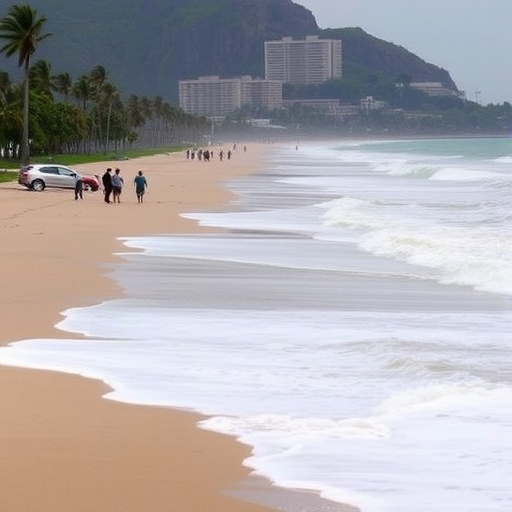
In recent years, the increasing frequency and intensity of typhoons have raised significant concerns regarding coastal erosion. A groundbreaking study conducted by Shi et al. sheds light on a pressing issue that has often gone unnoticed—severe coastal erosion taking place prior to the landfall of these powerful storms. This research not only highlights the critical need for comprehensive coastal management strategies but also emphasizes the potential implications for ecosystems and human populations alike. The study’s findings challenge long-held perceptions about the predatory nature of typhoons, shifting the focus to the consequences of erosion that might be exacerbated by these natural phenomena.
Coastal regions around the globe are particularly vulnerable to the adverse effects of climate change and extreme weather events. With rising sea levels and increasingly severe weather patterns, scientists and researchers have begun to recognize the urgent necessity for more robust coastal protection measures. The first striking revelation from the study highlights the dramatic erosion that occurs in these coastal zones, painting a vivid picture of what happens in the days leading up to a storm’s landfall. This phenomenon is significant; it suggests that coastal ecosystems and infrastructure are at risk well before typhoons make landfall, often leaving communities unprepared for the extensive damage inflicted by these natural disasters.
Shi et al. conducted a comprehensive analysis of various coastal regions that frequently experience typhoons. By utilizing advanced remote sensing technology and comprehensive field studies, the research team was able to document the evolution of the shoreline in real time as storms approached. This innovative approach allowed for unprecedented insights into the mechanisms driving coastal erosion and its subsequent impact on local communities. One critical observation from the study is the detection of morphological changes along the coast that typically occur in a timeline consistent with typhoon activity, a pattern that has often eluded researchers in the past.
The researchers noted that the erosion rate accelerated significantly in the days leading up to a typhoon’s landfall. This finding challenges prior understanding, which primarily focused on post-storm damage assessments. The core implication of this study is the urgent need for an integrated assessment protocol that accounts for pre-storm coastal dynamics, as failure to recognize these patterns could lead to severe miscalculations in disaster preparedness. The alarming rates of erosion documented in the study necessitate an immediate reassessment of how communities prepare for and respond to impending storms.
Moreover, the implications of this research extend beyond just physical geography. Economically, coastal communities that experience severe erosion might face long-term repercussions that culminate in financial strain and loss of livelihood. The fisheries, tourism, and real estate sectors, which significantly contribute to the economy of coastal areas, are particularly susceptible to the impacts of erosion. As shorelines disintegrate, not only are homes jeopardized but also local economies that depend on these natural resources. Therefore, communities must embrace adaptive strategies to combat this looming crisis through better urban design and infrastructure investments.
The findings also prompt a reevaluation of the relationship between human activities and natural processes of erosion. While coastal development has been a critical driver of economic growth, it is essential to consider the ecological ramifications of such actions. The study by Shi et al. emphasizes that anthropogenic influences can amplify the natural processes of erosion, suggesting that a rethinking of development policies is crucial. As infrastructure expands into vulnerable coastal zones, the stakes are raised exponentially, underscoring the necessity for sustainable practices and protective measures.
In addition to economic considerations, the ecological impacts of coastal erosion are profound. Shoreline ecosystems, including salt marshes and mangroves, play an essential role in storm protection and carbon sequestration. As these critical habitats erode, the services they provide are diminished, further increasing communities’ vulnerability to climate-related disasters. The research presents compelling evidence that the loss of these ecosystems not only threatens biodiversity but also compounds the issue of climate change, fostering a vicious cycle of environmental degradation.
The knowledge derived from this study also calls for enhanced collaboration among scientists, policy-makers, and local communities. Effective coastal management requires an amalgamation of scientific knowledge and community input to develop strategies that genuinely address the unique challenges faced by each locality. Both preventive measures, such as restoring natural habitats, and adaptive strategies, such as developing resilient coastal infrastructure, must be drawn from a diverse pool of perspectives to be fully effective in mitigating the effects of coastal erosion.
In closing, Shi et al. make a compelling case that we must reexamine how we view the interactions between typhoons and coastal erosion. The implications of their findings are far-reaching—impacting not just scientific understanding but also public policy and community preparedness. The study serves as a clarion call for action, urging stakeholders across various sectors to recognize the multifaceted nature of coastal erosion as it relates to extreme weather events. As climate change continues to evolve and exacerbate these conditions, proactive measures must be implemented now to ensure the safeguarding of our coastlines, ecological integrity, and the resilience of human communities.
The overarching message from this research is clear: we must look beyond the immediate effects of typhoons and consider the greater implications of coastal erosion that play out in the days leading up to these storms. It is only by considering this underreported phenomenon that we can truly appreciate the complexities of our coastline and implement strategies that will protect our communities in an era of climate uncertainty. Addressing this challenge demands an urgent and comprehensive approach that combines scientific research, policy innovation, and community engagement to build a more resilient future for generations to come.
As we endeavor to protect our fragile coastlines and the communities that rely on them, it is clear that the research conducted by Shi et al. adds an invaluable layer of understanding to the ever-evolving narrative of climate impact. Only through continued exploration and a commitment to sustainability can we hope to navigate the troubled waters of coastal erosion, effectively balancing our needs against the forces of nature that shape our world.
Shi, B., Chen, X., Cooper, J.R. et al. Overlooked but widespread severe coastal erosion prior to typhoon landfall.
Commun Earth Environ (2026). https://doi.org/10.1038/s43247-026-03287-4
Cite Scienmag News
Violet Maxwell. (February 12, 2026). Severe Coastal Erosion Intensifies Before Typhoon Strikes. Scienmag. https://scienmag.com/severe-coastal-erosion-intensifies-before-typhoon-strikes/
Violet Maxwell. "Severe Coastal Erosion Intensifies Before Typhoon Strikes." Scienmag, 12 February 2026, https://scienmag.com/severe-coastal-erosion-intensifies-before-typhoon-strikes/. Accessed 4 September 2026.
Violet Maxwell. "Severe Coastal Erosion Intensifies Before Typhoon Strikes." Scienmag. February 12, 2026. https://scienmag.com/severe-coastal-erosion-intensifies-before-typhoon-strikes/


