


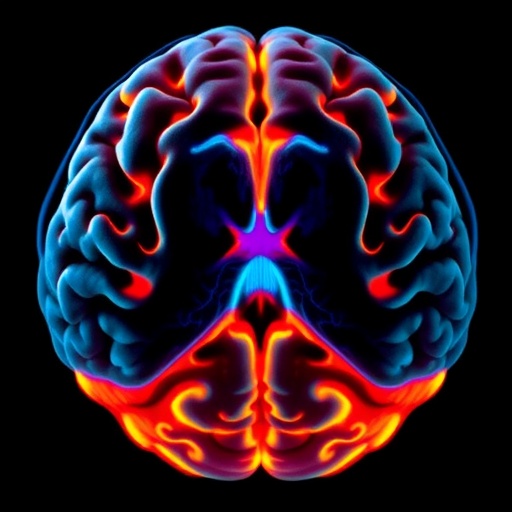
In the realm of neuropsychiatry, the quest to understand the enigmatic nature of depression has long been a formidable challenge for scientists and clinicians alike. A revolutionary study by Jubeir and Jacob, published in 2026 in Translational Psychiatry, has now pushed the frontier with ultra-high field magnetic resonance imaging (MRI) techniques that delve into hippocampal subfield-specific changes associated with depression. This work not only enhances our anatomical and functional understanding of depression’s impact on the brain but also highlights the translational potential of ultra-high field MRI, which can pioneer more precise diagnostics and personalized therapeutic interventions.
The hippocampus, a critical component of the limbic system involved in memory, emotional regulation, and neuroplasticity, has been extensively studied in depressive disorders. However, traditional imaging modalities have treated the hippocampus as a homogenous structure, often glossing over the distinct subfields that may differentially contribute to the pathophysiology of depression. Jubeir and Jacob’s approach utilizes ultra-high field MRI, operating at 7 Tesla or higher, which offers unprecedented spatial resolution and contrast. This enables the visualization and quantification of subtle anatomical alterations within specific hippocampal subregions that were previously inaccessible.
Understanding the hippocampal subfields—namely the dentate gyrus, CA1, CA2, CA3, and subiculum—is crucial because each plays a specialized role in neurobiological processes. For instance, the dentate gyrus is heavily implicated in neurogenesis and pattern separation, processes thought to be disrupted in depression. Jubeir and Jacob’s imaging methodology allows for the differentiation of these subfields in vivo, unveiling nuanced volumetric and possibly functional disparities in patients suffering from depression compared to healthy controls. This level of granularity transforms our capacity to detect disease-specific neuroanatomical signatures and track them longitudinally.
The translational power of this technology lies not only in its diagnostic implications but in its potential to guide novel treatments. Depression is a heterogeneous disorder with varied symptomatology and response profiles. By identifying subfield-specific alterations, clinicians might predict treatment responses more accurately or tailor interventions that target neurobiological dysfunctions at a microanatomical level. For instance, selective neurostimulation techniques could be refined to target affected hippocampal subfields, improving efficacy and minimizing side effects.
Furthermore, ultra-high field MRI provides unique contrasts through its heightened sensitivity to tissue microstructure and metabolic changes. The study by Jubeir and Jacob harnesses advanced imaging sequences to probe microstructural integrity and neurochemical variations within the hippocampus, such as alterations in N-acetylaspartate or glutamate levels, which have been implicated in depressive pathology. This multidimensional imaging approach adds an additional layer of clinical and scientific insight that goes beyond volume measurements alone.
One remarkable aspect of this research is its bridge between preclinical and clinical investigations. Animal models have demonstrated subfield-specific hippocampal changes following chronic stress or antidepressant treatments, but translating these findings to human studies has been challenging due to imaging limitations. By applying ultra-high field MRI, the researchers provide an indispensable platform for direct comparison, validating animal data and informing clinical hypotheses. This approach exemplifies translational neuroscience at its best—bridging bench to bedside in the pursuit of transformative mental health solutions.
The study also underscores the importance of longitudinal imaging in depression. Given the dynamic nature of hippocampal neuroplasticity, serial ultra-high field MRI scans allow researchers to observe progressive changes or recovery trajectories linked to therapeutic interventions or disease course. Such temporal resolution paves the way for adaptive treatment strategies and early intervention frameworks, potentially mitigating chronic disease burden.
Importantly, the adoption of ultra-high field MRI faces technical and practical challenges, including higher operational costs, magnetic field inhomogeneities, and specialized safety considerations. Jubeir and Jacob acknowledge these hurdles but demonstrate that the scientific and clinical payoff justifies the continued investment and development. As MRI technology proliferates and becomes more accessible, the findings from this study could serve as a blueprint for other neuropsychiatric disorders where circuit-specific imaging is paramount.
Their work further explores the functional connectivity of hippocampal subfields with other brain networks known to be disrupted in depression, such as the default mode network and prefrontal cortex circuits. By integrating structural and functional imaging data, the authors paint a comprehensive portrait of how localized hippocampal alterations reverberate through brain-wide systems, influencing mood regulation and cognitive function. Such system-level insights are critical for conceptualizing depression as a network disorder rather than merely focal pathology.
The clinical translation of these findings hinges on the establishment of robust imaging biomarkers. Jubeir and Jacob’s research contributes valuable normative data and identifies consistent subfield alterations associated with depressive symptomatology, potentially serving as objective biomarkers for diagnosis or prognosis. Incorporating these biomarkers in clinical trials could enhance patient stratification and outcome prediction, heralding a new era of precision psychiatry.
Emerging from this study is the recognition that depression is not a diffuse or uniform brain disorder but one that intricately involves discrete hippocampal microanatomy. Ultra-high field MRI enables a window into this complexity, setting the stage for a biologically informed reclassification of depressive disorders, possibly paralleling developments in oncology and other medical fields where precision diagnostics are standard.
The implications extend beyond depression. The methodological advancements and conceptual framework presented can be adapted to investigate other neuropsychiatric conditions featuring hippocampal involvement, such as Alzheimer’s disease, schizophrenia, and post-traumatic stress disorder. The ability to discern subfield-specific pathologies could differentiate overlapping clinical syndromes and guide condition-specific interventions.
In summary, the study by Jubeir and Jacob is a watershed moment in neuroimaging and psychiatric research. It rigorously applies ultra-high field MRI to dissect hippocampal subfield alterations in depression, providing unprecedented anatomical and functional detail. This work resonates with the ambitious shift towards precision medicine in mental health, offering hope for more targeted and effective interventions grounded in robust neurobiological evidence.
As the field moves forward, the marriage of cutting-edge imaging technology with sophisticated computational analyses and clinical expertise will further unravel the mysteries of the depressed brain. Jubeir and Jacob’s research is emblematic of this evolution, marking a bold stride towards demystifying depression at its neural core and catalyzing novel approaches that could one day transform millions of lives.
Cite Scienmag News
Glenn Wilkins. (February 10, 2026). Ultra-High Field MRI Reveals Hippocampal Depression Links. Scienmag. https://scienmag.com/ultra-high-field-mri-reveals-hippocampal-depression-links/
Glenn Wilkins. "Ultra-High Field MRI Reveals Hippocampal Depression Links." Scienmag, 10 February 2026, https://scienmag.com/ultra-high-field-mri-reveals-hippocampal-depression-links/. Accessed 4 September 2026.
Glenn Wilkins. "Ultra-High Field MRI Reveals Hippocampal Depression Links." Scienmag. February 10, 2026. https://scienmag.com/ultra-high-field-mri-reveals-hippocampal-depression-links/


