


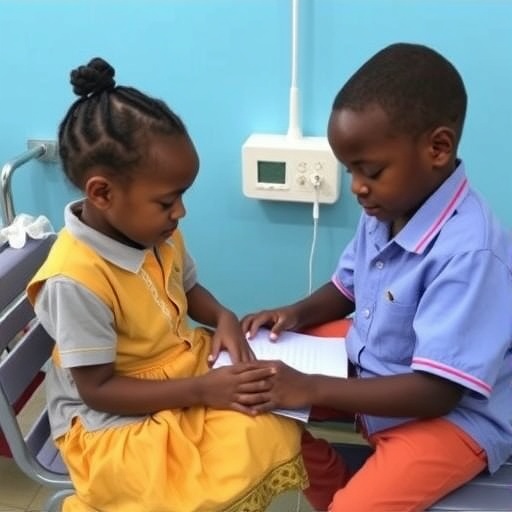
In an age of rapid technological advancement and evolving healthcare paradigms, pediatric emergency care remains an integral focus for healthcare systems around the world. With the increasing recognition of the unique physiological and psychological needs of children, it is more critical than ever to assess the quality of care provided in pediatric emergency units. A pivotal study conducted by Denberu et al. sheds light on this crucial aspect within the healthcare framework, specifically in Ethiopia’s tertiary hospitals, providing invaluable insights into systemic strengths and areas requiring urgent improvement.
The research highlights the essential components of emergency pediatric care, underscoring the growing complexity of treating children in crisis situations. Unlike adult emergency care, children’s responses to illness and treatment can differ significantly, necessitating specialized training for healthcare providers. This study emphasizes the importance of evaluating factors such as clinician skills, resource availability, and the overall treatment environment in assessing the quality of care delivered.
In Ethiopia, pediatric emergency units serve as vital components in the healthcare landscape, catering to a large population of children in dire need of immediate medical attention. However, with a myriad of challenges, including resource scarcity, infrastructural limitations, and a pressing need for trained professionals, the quality of care offered in these settings can vary widely. Denberu and colleagues meticulously designed their study to quantify these challenges and provide evidence-based recommendations for enhancing pediatric emergency care.
The assessment methodology employed in this research was robust, encompassing a range of evaluation metrics tailored to pediatric care. The investigation involved surveys administered to caregivers, interviews with healthcare professionals, and direct observation of care processes. By triangulating data from these diverse sources, the researchers aimed to obtain a holistic view of the pediatric emergency units’ operational effectiveness and the patient experience.
One of the notable findings revealed in the study pertains to the immediate triage process, a critical juncture that significantly influences patient outcomes. Timely and accurately assessing a child’s condition upon arrival can drastically alter the course of treatment. The research findings indicate that while some facilities have established effective triage protocols, others struggle with delays that can lead to deteriorating conditions among pediatric patients. This highlighted the urgent need for standardized protocols and training to ensure consistent quality across various institutions.
Moreover, the study also revealed that communication plays an indispensable role in the quality of care children receive in emergency settings. Ensuring that caregivers understand the procedures and potential risks involved in treatments is paramount. The research pointed out that many parents felt uninformed about their child’s condition and the steps being taken to treat them, fostering an environment of anxiety and dissatisfaction. Addressing this communication gap is essential for establishing trust and ensuring patient-centered care in pediatric settings.
Another critical aspect addressed by the research was the availability of essential medical resources and medications in pediatric emergency units. The findings indicated notable disparities between facilities in regards to resource availability, with some units being well-equipped while others faced chronic shortages. Such inconsistencies can adversely affect the care delivered, leading to preventable morbidity. The study advocates for policies aimed at resource allocation, aiming to ensure that every child receives the best possible care, regardless of their geographical or economic status.
In addressing training and education, the study underscored the necessity of continuous professional development for medical personnel working in pediatric emergency care. With the dynamic nature of medical knowledge, healthcare providers must stay current with best practices and emerging therapies. The researchers recommended regular training sessions and workshops, enhancing clinical skills and knowledge distribution, particularly in areas such as pediatric trauma, respiratory distress, and allergic reactions.
The emotional well-being of pediatric patients also surfaced as a significant theme within Denberu’s research. The psychological impact of emergency medical situations can profoundly affect children and their families. The study recommended integrating psychological support services into the pediatric emergency care framework, outlining strategies for providing emotional support amidst the chaos of medical crises. This holistic approach not only aids in children’s recovery but also fosters a supportive environment for families grappling with anxiety during emergencies.
Furthermore, the role of community engagement in pediatric emergency care cannot be overlooked. The study suggests that fostering partnerships with local communities can facilitate better health outcomes. By educating parents on recognizing pediatric emergencies and the importance of timely medical intervention, communities can play a proactive role in enhancing care quality. The findings encourage healthcare systems to incorporate community health initiatives that empower families with knowledge and resources for better child health.
The outcomes of the study pertinently align with global healthcare initiatives aimed at enhancing child health indicators. The conclusion drawn by Denberu et al. resonates with the United Nations’ Sustainable Development Goals, particularly Goal 3, which emphasizes ensuring healthy lives and promoting well-being for all at all ages. By advocating for systemic improvements in pediatric emergency care, the research contributes directly to the broader discourse on children’s health rights and access to quality medical care.
In light of the findings presented, policymakers are urged to consider the implications of this research in shaping future healthcare strategies. The study’s recommendations serve as a blueprint for enhancing pediatric emergency units, advocating for integral changes in training, resource management, and communication strategies. By prioritizing the unique needs of pediatric populations, healthcare systems can ensure that children receive the standards of care they rightly deserve.
The essential work conducted by Denberu and colleagues presents a vital resource for healthcare providers, administrators, and policymakers dedicated to optimizing pediatric emergency care. As healthcare systems continue to evolve, fostering a continuous dialogue around these findings will be essential for driving effective interventions that cater to the unique challenges faced in pediatric care.
In conclusion, this study serves not only as a significant academic contribution but also as a rallying cry for healthcare stakeholders to invest in elevating the quality of pediatric emergency care. By addressing the myriad challenges faced by these units, the findings pave the way for transformed healthcare landscapes where every child can receive optimal care in their most vulnerable moments.
Denberu, M., Haile, A.M., Endebu, T. et al. Assessment of quality of care in a pediatric emergency unit of a tertiary hospital, Ethiopia.
BMC Health Serv Res (2026). https://doi.org/10.1186/s12913-026-14100-5
Cite Scienmag News
Harold Sullivan. (February 7, 2026). Evaluating Pediatric Emergency Care Quality in Ethiopia. Scienmag. https://scienmag.com/evaluating-pediatric-emergency-care-quality-in-ethiopia/
Harold Sullivan. "Evaluating Pediatric Emergency Care Quality in Ethiopia." Scienmag, 7 February 2026, https://scienmag.com/evaluating-pediatric-emergency-care-quality-in-ethiopia/. Accessed 3 September 2026.
Harold Sullivan. "Evaluating Pediatric Emergency Care Quality in Ethiopia." Scienmag. February 7, 2026. https://scienmag.com/evaluating-pediatric-emergency-care-quality-in-ethiopia/


