

In a groundbreaking study published recently, researchers have unveiled compelling evidence that fatty acid amide hydrolase (FAAH) inhibition could significantly alter brain function in individuals suffering from posttraumatic stress disorder (PTSD). This revelation comes from a meticulously conducted randomized clinical trial employing cutting-edge functional neuroimaging techniques, offering an unprecedented window into the neural dynamics influenced by FAAH activity modulation. As PTSD remains one of the most debilitating psychiatric disorders with limited effective pharmacological treatments, these findings might propel a novel therapeutic paradigm targeting the endocannabinoid system.
PTSD is characterized by intrusive memories, heightened arousal, and emotional dysregulation following traumatic experiences. At the neurobiological level, dysregulation of fear processing and stress response circuits has been implicated, with key structures such as the amygdala, hippocampus, and prefrontal cortex showing altered activity patterns. The endocannabinoid system, particularly the enzyme FAAH, which degrades anandamide—a neurotransmitter associated with mood and stress resilience—has emerged as a critical target in modulating these brain circuits. By inhibiting FAAH, anandamide levels can be elevated, potentially restoring the balance in neural networks disrupted by trauma.
Utilizing advanced functional magnetic resonance imaging (fMRI), the research team led by Tansey et al. set out to explore how FAAH inhibition could reshape brain activity in PTSD patients. The study recruited a cohort of individuals diagnosed with PTSD under stringent inclusion criteria, ensuring a homogenous participant pool. Subjects were randomly assigned to receive either a selective FAAH inhibitor or placebo, maintaining blinding protocols to uphold scientific rigor. The neuroimaging assessments were synchronized with pharmacological intervention, capturing real-time changes across relevant brain regions.
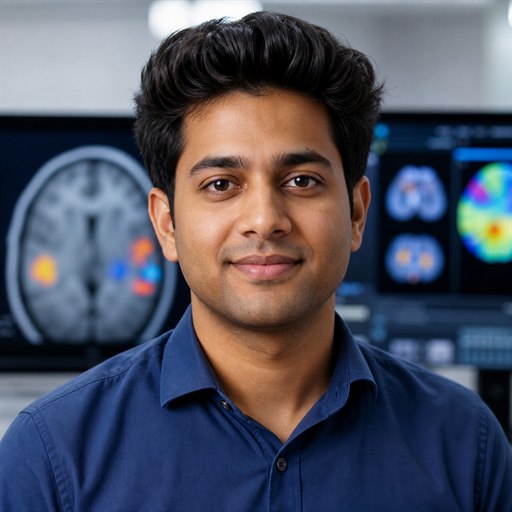
The neuroimaging data revealed striking modulations in the functional connectivity of the amygdala-prefrontal circuitry—central to emotional regulation and fear extinction. Diverging from placebo controls, the FAAH inhibitor group exhibited a marked decrease in amygdala hyperactivity in response to trauma-related cues. Concurrently, enhanced engagement of the ventromedial prefrontal cortex (vmPFC)—a region often hypoactive in PTSD—was observed, suggesting restored top-down inhibitory control over limbic responses. These shifts collectively signify a neurobiological milieu conducive to mitigating PTSD symptomatology.
Further analyses indicated that FAAH inhibition augmented connectivity within the hippocampus, a structure instrumental in contextual memory processing. Since PTSD patients frequently exhibit hippocampal dysfunction contributing to memory fragmentation and overgeneralization of fear, normalizing its activity could underpin improvements in cognitive-emotional integration. The elevated anandamide levels resulting from FAAH blockade likely potentiate synaptic plasticity mechanisms, thereby facilitating adaptive neurocircuitry remodeling.
Importantly, the clinical implications of these neuroimaging findings extend beyond symptomatic relief. By illuminating the mechanistic pathway through which FAAH inhibition exerts its effects, the study sets the stage for precision medicine approaches tailored to individual neural profiles. The research design also included behavioral assessments paralleling imaging sessions, revealing concomitant reductions in anxiety and hypervigilance scores among treated participants. This congruence underscores the translational value of targeting FAAH in therapeutic strategies.
The study’s integration of pharmacodynamics with neurofunctional outcomes exemplifies a holistic framework for psychiatric research. Previous attempts to modulate the endocannabinoid system have been hampered by off-target effects and insufficient mechanistic clarity. However, highly selective FAAH inhibitors employed herein minimize systemic adverse impacts while maximizing central nervous system penetration, thus optimizing clinical efficacy and safety profiles. This approach could herald a new class of neuropsychiatric medications.
Moreover, the detailed neuroimaging methodology employed—combining resting-state and task-based fMRI paradigms—captures dynamic fluctuations in brain networks typical of PTSD pathology. Such multimodal imaging affords a granular resolution of how pharmacological interventions target discrete neural circuits and temporal phases of fear processing. As a result, these insights can foster the development of biomarkers predictive of treatment response, crucial for refining therapeutic interventions.
Emerging from this research is a nuanced understanding of how modulating FAAH enzymatic activity can recalibrate maladaptive fear learning and memory consolidation processes characteristic of PTSD. The endocannabinoid system’s role in facilitating synaptic plasticity and synaptic homeostasis is increasingly recognized as vital for emotional resilience. FAAH inhibitors may thus function as neurochemical enhancers, promoting recovery by reinstating normative neural network function disrupted by traumatic stress.
Beyond PTSD, the study opens intriguing possibilities for FAAH-targeted therapies in other neuropsychiatric disorders marked by stress-related pathophysiology, including anxiety disorders, depression, and substance use disorders. The translational potential of FAAH inhibition rests on its ability to engage fundamental neurobiological substrates common across these conditions. Future research will need to explore dose optimization, long-term safety, and combinatorial strategies with psychotherapy.
The randomized clinical trial conducted by Tansey and colleagues stands out for its rigorous design, including placebo-controlled, double-blinded procedures ensuring unbiased outcome assessment. The sample size, though sufficient for detecting significant neural changes, invites larger multi-center trials to validate generalizability. Ethical considerations regarding therapeutic innovation in vulnerable psychiatric populations were scrupulously addressed, balancing risk and benefit.
This paradigm shift underscores the increasing importance of neurofunctional biomarkers in drug development for mental health. By embedding sophisticated neuroimaging alongside clinical endpoints, researchers can decode the complex interplay between molecular interventions and brain circuitry alterations. Such integrative frameworks will be pivotal for unraveling the heterogeneity of PTSD and tailoring individualized treatment modalities.
In conclusion, the study’s findings represent a watershed moment in understanding and treating PTSD. FAAH inhibition emerges as a promising target disrupting the entrenched neurocircuit abnormalities underlying posttraumatic sequelae. The convergence of pharmacology, neuroimaging, and clinical psychiatry illustrated in this research heralds a new frontier in mental health therapeutics, one where mechanistic insights translate into tangible, life-changing outcomes for patients haunted by trauma.
Cite Scienmag News
Colin Clarke. (February 6, 2026). Brain Imaging Reveals FAAH Inhibition Effects in PTSD. Scienmag. https://scienmag.com/brain-imaging-reveals-faah-inhibition-effects-in-ptsd/
Colin Clarke. "Brain Imaging Reveals FAAH Inhibition Effects in PTSD." Scienmag, 6 February 2026, https://scienmag.com/brain-imaging-reveals-faah-inhibition-effects-in-ptsd/. Accessed 4 September 2026.
Colin Clarke. "Brain Imaging Reveals FAAH Inhibition Effects in PTSD." Scienmag. February 6, 2026. https://scienmag.com/brain-imaging-reveals-faah-inhibition-effects-in-ptsd/


