


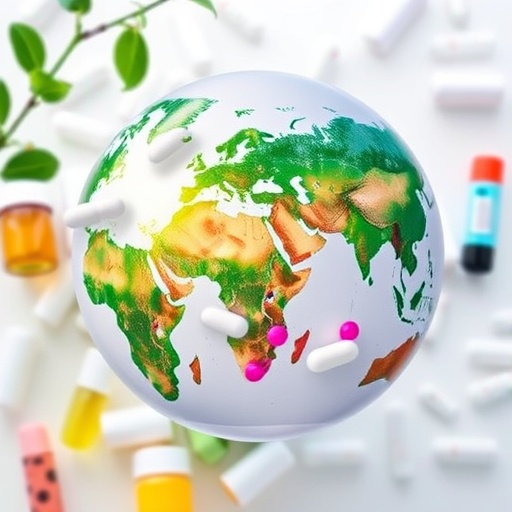
Pharmaceutical pollution is an urgent concern that at once encapsulates a pressing environmental crisis and highlights the pervasive effects of the drug industry on ecosystems across the globe. Despite the essential role that pharmaceutical products play in modern healthcare, contributing fundamentally to disease prevention and treatment, their impact on the environment cannot be overstated. The active ingredients within these medications, alongside their excipients and associated packaging, actively contribute to pollution—contaminating air, soil, and water in ways that lead to significant harm both to ecosystems and to human health.
Pharmaceuticals enter the environment via various pathways, including wastewater effluent from treatment plants, where current technology fails to completely remove these substances. According to researchers Iker Egaña and Vladimir Akhrimenko from the Basque Sustainable Pharmacy & Biotherapy group at the University of the Basque Country, the issue is severe and widespread. They emphasize that although the concentrations of pharmaceuticals may seem minor, their compounded effects over time are significant, particularly in developing nations where waste management systems are often inadequate.
The call for a transdisciplinary approach to addressing this crisis stems from the recognition of One Health—an integrated approach that considers the intersection of human, animal, and environmental health. The researchers argue that all stakeholders involved in the drug production life cycle must engage with their responsibilities, from pharmaceutical companies involved in drug design to healthcare providers and the general public. This collaborative framework is crucial for fostering sustainable practices that minimize environmental impact.
Egaña and Akhrimenko propose several essential strategies aimed at paving the way toward a more sustainable pharmacy. One of the most pressing recommendations is focused on education and training. Future professionals in the pharmaceutical and medical fields should receive comprehensive training about the environmental impact of pharmaceuticals, a topic that, as of now, lacks adequate coverage in existing university curricula. By fostering a greater understanding of pharmaceutical pollution, future industry leaders could devise innovative, biodegradable formulations that do not compromise on efficacy or safety.
Moreover, these researchers highlight the concept of eco-prescribing—integrating environmental considerations into clinical decision-making. This approach does not dismiss pharmacological interventions but encourages practitioners to also search for alternative therapies or lifestyle changes that may reduce reliance on medications. The significance of rationalizing medicine usage extends beyond healthcare settings; it is about fostering a collective understanding of how our consumption patterns impact the environment.
As both professionals and consumers begin to ask critical questions about the environmental consequences of their choices, regulatory frameworks need to evolve in tandem. The researchers have commended European initiatives aimed at enhancing regulatory measures surrounding pharmaceutical pollution. New policies are being drafted to better address the environmental implications of pharmaceuticals, including the European Directive on Urban Waste Water Treatment, which acknowledges pharmaceuticals as a quality control parameter for water treatment. These advancements signal a recognition of the environmental costs and liabilities associated with pharmaceutical production and disposal.
In particular, increased scrutiny on the presence of contaminants in drinking water is likely to spur further regulatory changes. Monitoring protocols that bring pharmaceuticals into regulatory discussions signify an evolving awareness. Such initiatives could lead pharmaceutical and cosmetic firms to adopt more sustainable practices, reflecting a broader trend towards corporate responsibility.
The study conducted by Egaña and Akhrimenko is based on rigorous academic review and targets not only the scientific community but the pharmaceutical sector at large. Their work aims to catalyze urgent conversations on how the pharmaceutical industry can reduce its environmental footprint. It is critical that as society progresses, the production and usage of medications are not at odds with the health of our ecosystems.
This multifaceted approach addresses both immediate and long-term challenges posed by pharmaceutical pollution. Acknowledging the human health stakes involved makes this discourse even more crucial. As such, researchers emphasize the interconnectedness of health, industry practices, and environmental stewardship. The consequences of inaction are steep, raising questions about the sustainability of our current health practices, and the overall well-being of future generations.
Given the complexities associated with pharmaceutical waste management, the researchers are keen to advocate for collaborative dialogues across disciplines. Only by dismantling silos between ecological, medical, and regulatory frameworks can a holistic solution emerge. Moreover, as physicians, researchers, and patients cultivate a shared commitment to environmental considerations, the healthcare landscape will inevitably shift toward more sustainable practices.
In summary, the researchers from the University of the Basque Country are positioning their work as both a clarion call for action and a blueprint for future change. Encouraging deep environmental awareness within the pharmaceutical ecosystem is essential not only for reducing contamination but also for fostering an industry that prioritizes public health in the face of environmental degradation.
As collective action within the pharmaceutical community gains momentum, it becomes clear that a sustained focus on sustainability and responsibility holds profound implications for health systems globally. The impetus lies not only in recognizing the immediate effects of pharmaceutical pollution but also in mitigating risks that threaten ecological and human health over the long term. The integration of sustainable practices in pharmaceutical development is not a choice; it is an absolute necessity for the well-being of our planet and populations.
By aligning educational priorities and regulatory frameworks with the urgent need for sustainable practices, the pharmaceutical industry can begin to heal the rift between human health and environmental integrity. It’s a pivotal moment for stakeholders at every level to reassess their role in this critical issue and to champion a pathway that integrates ecological sensibility into the fabric of pharmaceutical production and consumption.
This ongoing study aims not only to awaken the sector to existing problems but to inspire genuine, actionable solutions that resonate well beyond the academic confines and ripple out into public awareness and policy reform.
Keywords
Pharmaceuticals, Pollution Control, Environmental Management, Bioremediation, Eco-Prescribing, One Health.
Cite Scienmag News
Denise Maddox. (February 5, 2026). Environmental Impact of Pharmaceuticals: A Global Challenge Unveiled. Scienmag. https://scienmag.com/environmental-impact-of-pharmaceuticals-a-global-challenge-unveiled/
Denise Maddox. "Environmental Impact of Pharmaceuticals: A Global Challenge Unveiled." Scienmag, 5 February 2026, https://scienmag.com/environmental-impact-of-pharmaceuticals-a-global-challenge-unveiled/. Accessed 4 September 2026.
Denise Maddox. "Environmental Impact of Pharmaceuticals: A Global Challenge Unveiled." Scienmag. February 5, 2026. https://scienmag.com/environmental-impact-of-pharmaceuticals-a-global-challenge-unveiled/


