


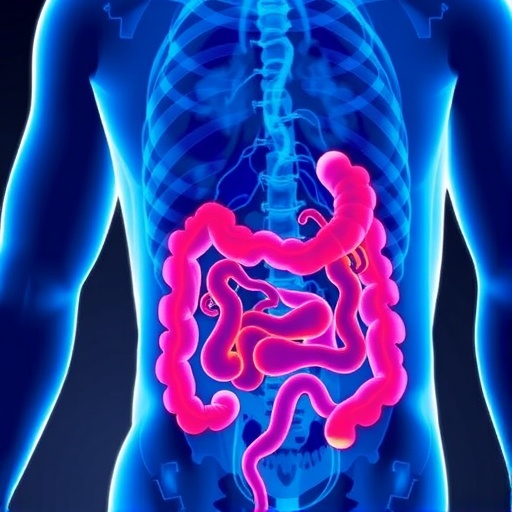
Recent research published in the Journal of Cancer Research and Clinical Oncology highlights critical aspects of the quality of life and pain management in colorectal cancer patients undergoing palliative treatment. Conducted by a team of researchers, including Schellack, Breidenbach, and Kowalski, the study presents findings that may significantly influence clinical practices and the support provided to this vulnerable group. The insight gained adds a vital layer to our understanding of the implications of colorectal cancer care beyond mere survival.
Colorectal cancer remains one of the leading causes of cancer-related mortality worldwide. While advancements in treatment have undeniably improved prognoses, many patients continue to face substantial challenges in managing their overall quality of life. The study focused specifically on patients one year post-diagnosis, an important timeframe where the physical and psychological effects of cancer treatments continue to resonate significantly in patients’ lives.
Palliative care emphasizes enhancing quality of life for patients with chronic illnesses, and this study scrutinizes this concept within the context of colorectal cancer. Patient experiences are as varied and multifaceted as the disease itself, with pain often emerging as a crux issue. Chronic pain can dramatically alter a patient’s quality of life, leading to a cascade of secondary problems, including anxiety and depression. Therefore, understanding these dynamics is imperative for providing comprehensive care.
The researchers utilized the EDIUM cohort to gather extensive data on pain levels and overall quality of life measurements. This cohort consists of patients who were proactively monitored over time, allowing for a longitudinal perspective on how palliative treatment influences various dimensions of well-being. The findings indicate that pain management protocols may need to be reevaluated to better meet patient needs during this critical stage of their treatment journey.
One of the key outcomes of the study revealed that while some patients reported manageable pain levels, a significant portion experienced persistent discomfort that interfered with daily activities. These findings highlight the necessity for continuous pain assessments and adjustments in therapy modalities to ensure patients achieve satisfactory relief. Effective pain management can vary greatly, necessitating a personalized approach that takes each patient’s unique circumstances into account.
Furthermore, the study sheds light on the emotional and psychological dimensions of living with advanced cancer. The interplay between pain perception and mental health cannot be underestimated; indications suggest that patients experiencing higher pain levels often correlate with diminished quality of life ratings. This association underscores the vital need for integrated treatment plans that not only address physical symptoms but also offer psychological support, potentially through counseling or support groups.
The utilization of standardized quality of life measures in clinical settings can lead the way to more informed decision-making regarding treatment options. These measures provide quantifiable data that can aid healthcare providers in optimizing interventions for pain management and psychological support, ultimately aiming to enhance the quality of life for patients battling colorectal cancer.
In light of these findings, the study also advocates for the education of healthcare professionals regarding the complexities of pain management. Training programs must emphasize the importance of recognizing not just the physical aspects of patient experiences but also the emotional ramifications of living with an advanced illness. By fostering deeper connections between patients and healthcare providers, the therapeutic alliance can be strengthened, promoting improved outcomes.
Additionally, the research calls for increased awareness and understanding in the general public regarding the experiences of colorectal cancer patients. Promoting conversations surrounding issues of pain and quality of life can help destigmatize these struggles, paving the way for more supportive environments that cater to the needs of affected individuals. By fostering a more informed society, we have the potential to improve the lives of many.
The implications of this study extend beyond pain and psychological assessments. They reach into broader discussions about healthcare accessibility and resource allocation within palliative care frameworks. Advocacy for legislative and institutional changes may be necessary to ensure resource availability aligns with the growing demands of cancer care.
Overall, the findings from this study serve as a clarion call for ongoing research and dialogue surrounding colorectal cancer pain management and quality of life. As the landscape of cancer care evolves, understanding the nuanced experiences of patients will remain crucial in shaping future palliative care strategies. Addressing the gaps in knowledge and practice will not only improve individual patient experiences but also create a more holistic approach to cancer care as a whole.
Moreover, the study’s outcomes may inform future research directions, potentially leading to novel intervention studies aimed at enhancing quality of life metrics among colorectal cancer patients. By prioritizing a patient-centered approach that integrates pain management with emotional and psychological support, we can make significant strides toward comprehensive cancer care that truly meets the needs of those affected.
In summary, the recent research published by Schellack et al. highlights essential considerations regarding pain management and overall quality of life among colorectal cancer patients in palliative care. The findings emphasize not just the prevalence of pain but the intricate relationship between physical and psychological health, presenting a compelling case for holistic and individualized treatment approaches that prioritize patient well-being.
Cite Scienmag News
Nathaniel Bowman. (February 3, 2026). Colorectal Cancer: Pain and Quality of Life Insights. Scienmag. https://scienmag.com/colorectal-cancer-pain-and-quality-of-life-insights/
Nathaniel Bowman. "Colorectal Cancer: Pain and Quality of Life Insights." Scienmag, 3 February 2026, https://scienmag.com/colorectal-cancer-pain-and-quality-of-life-insights/. Accessed 3 September 2026.
Nathaniel Bowman. "Colorectal Cancer: Pain and Quality of Life Insights." Scienmag. February 3, 2026. https://scienmag.com/colorectal-cancer-pain-and-quality-of-life-insights/


