


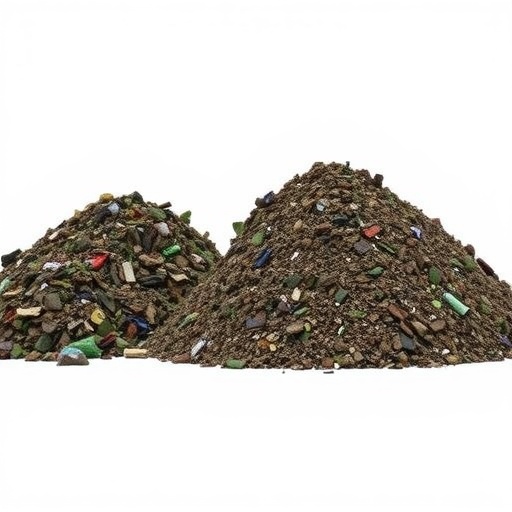
The accumulation of solid waste and the management of landfills has emerged as a pressing issue in Southern Africa, sparking a comprehensive comparative analysis of landfill policies and regulatory frameworks across the region. This pivotal study, conducted by B. Nyathi, delves into the diverse approaches implemented by different Southern African countries in tackling the challenges posed by solid waste management. With the ramifications of inadequate landfill policies impacting health, the environment, and socio-economic development, this research highlights significant disparities and commonalities among regional nations, shedding light on potential pathways towards enhanced policy frameworks.
The study meticulously examines the current landfill practices employed in Southern Africa, encompassing a wide range of factors that contribute to the efficiency and effectiveness of waste management systems. Nyathi emphasizes the importance of understanding historical, geographical, and economic contexts that shape these policies. The research portrays how each country’s unique circumstances have influenced its approach to landfill regulations, ultimately leading to varying degrees of success and challenges faced in waste management.
One major theme addressed in the analysis is the role of governmental institutions in shaping landfill policies. The varying levels of governmental commitment to environmental protection and waste management directly impact the efficacy of landfill regulations. In countries where strong environmental policies are in place, the accompanying regulations for landfills tend to reflect a proactive stance on sustainability. Conversely, nations with weaker governmental structures often struggle to implement effective landfill strategies.
Another critical aspect of the research is the socio-economic implications of landfill management. Nyathi reveals that waste management policies are inextricably linked to public health outcomes and economic stability. For instance, inadequate landfill practices can lead to environmental degradation, exacerbating public health crises in affected communities. This study elevates the discourse surrounding waste management from a mere regulatory concern to a multi-faceted issue that intersects with broader developmental goals.
Nyathi also highlights the disparities in public awareness and engagement concerning waste management across Southern African nations. Countries where citizens actively participate in sustainability initiatives tend to have more robust landfill policies. This engagement fosters a culture of accountability and responsibility, driving policymakers to prioritize sustainable waste management practices. The study calls for increased awareness campaigns that empower citizens to play a more active role in shaping waste management strategies.
Additionally, the research explores technological innovations in waste management and landfill practices. Countries that have adopted advanced technologies showcase improved efficiency in waste segregation and disposal. Nyathi advocates for increased investment in waste management technologies as a means to bolster landfill practices, urging governments to leverage technology as a catalyst for environmental sustainability. This forward-thinking approach combines technological advancement with regulatory frameworks to create a more sustainable future.
The study juxtaposes the regulatory frameworks of various Southern African nations, identifying best practices that can serve as models for others. It examines policies from countries renowned for their progressive approaches to waste management, dissecting the factors contributing to their success. This comparative aspect provides valuable insights and practical recommendations, allowing nations to learn from each other’s successes and failures.
Furthermore, the research emphasizes the necessity for international cooperation in solid waste management. In a region where boundaries often limit resource sharing and knowledge exchange, Nyathi argues that collaborative efforts are crucial for developing effective landfill policies. Cross-border initiatives and partnerships can facilitate the sharing of innovative practices and technologies, ultimately leading to more sustainable waste management solutions.
Evidently, this analysis of landfill policies and regulatory frameworks presents a crucial opportunity for policymakers and stakeholders in Southern Africa to reflect on their current practices and to envisage a sustainable future for waste management. Through rigorous examination and critical analysis, Nyathi urges decision-makers to prioritize the incorporation of environmental sustainability into their landfill policies. Such an approach can significantly mitigate the adverse impacts of landfills on health and the environment.
The findings of this study may lead to a paradigm shift in how waste is perceived and managed across Southern Africa. With mounting pressures from urbanization and population growth, the importance of effective landfill policies cannot be overstated. The region stands at a crossroads where the decisions made today will have lasting impacts on future generations. Therefore, the urgency for reform in landfill policy cannot be overemphasized.
Ultimately, Nyathi’s work serves as a launching pad for further research and discourse regarding landfill management. The findings underscore the need for ongoing evaluations of policies and practices to ensure a sustainable approach to waste management. With increasing global awareness of the environmental crises facing our planet, this comparative analysis is timely and essential for paving the way toward sustainable development in Southern Africa.
Understanding and improving landfill policies is not merely an administrative task; it is a moral imperative that demands concerted action from every segment of society. Stakeholders from governments, NGOs, the private sector, and the general public must come together to forge partnerships aimed at advancing waste management practices. Nyathi’s analysis inspires optimism while affirming the crucial role that well-informed policies play in fostering sustainable development throughout the region.
In conclusion, the comprehensive examination of landfill policies and regulatory frameworks in Southern Africa presents an invaluable contribution to the field of waste management. Nyathi’s comparative analysis not only highlights the urgent challenges faced by the region but also offers a roadmap for transformational change. As the narrative of waste management continues to evolve, it is imperative that Southern Africa seizes the opportunity to implement evidence-based practices and innovative strategies that will ensure a healthier, more sustainable future for its citizens.
Nyathi, B. A comparative analysis of landfill policies and regulatory frameworks in Southern African countries.
Discov Sustain (2026). https://doi.org/10.1007/s43621-025-02509-7
Cite Scienmag News
Violet Maxwell. (February 3, 2026). Comparing Southern African Landfill Policies and Regulations. Scienmag. https://scienmag.com/comparing-southern-african-landfill-policies-and-regulations/
Violet Maxwell. "Comparing Southern African Landfill Policies and Regulations." Scienmag, 3 February 2026, https://scienmag.com/comparing-southern-african-landfill-policies-and-regulations/. Accessed 3 September 2026.
Violet Maxwell. "Comparing Southern African Landfill Policies and Regulations." Scienmag. February 3, 2026. https://scienmag.com/comparing-southern-african-landfill-policies-and-regulations/


