


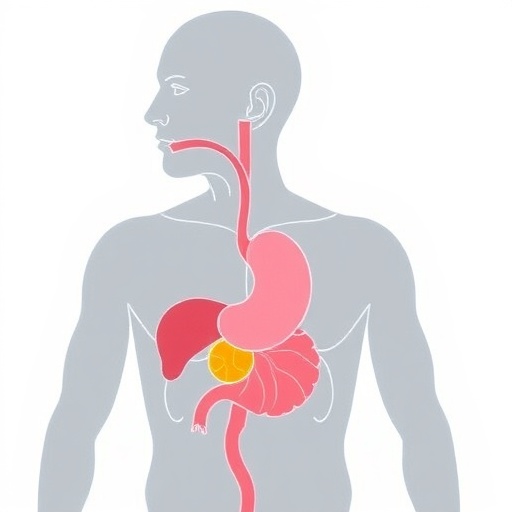
In the wake of remarkable advances in global healthcare and living standards throughout the 20th century, human longevity has seen unprecedented growth. This demographic shift, while a testament to medical progress, has inadvertently led to an increase in chronic diseases associated with aging. Among these, pancreatitis—an inflammatory condition of the pancreas—has gained increasing clinical and public health attention, particularly in older populations. Characterized by sudden abdominal pain, nausea, jaundice, and potentially fatal systemic shock, pancreatitis in the elderly frequently presents with multilayered complexity due to the common coexistence of comorbidities such as cardiovascular disease and diabetes. These factors complicate treatment regimens and lengthen recovery periods, underscoring the urgency for robust epidemiological insights and tailored healthcare strategies.
A pioneering study spearheaded by researchers at Shanghai Jiao Tong University School of Medicine delved into global patterns of pancreatitis incidence and associated death rates in individuals aged 65 and older. Utilizing comprehensive data from the 2021 iteration of the Global Burden of Diseases (GBD) Study, the team performed an exhaustive trend analysis spanning nearly three decades from 1992 to 2021. Their research, published in the Journal of Intensive Medicine in late 2025, offers unprecedented granularity across 204 global territories, segmented by age, gender, region, and socioeconomic strata. Through these analyses, the research team sought to bridge critical knowledge gaps, advancing understanding beyond the narrower scopes of prior national and regional studies.
Professor Dechang Chen, co-leader of the investigation, highlighted the unique approach of their analysis that effectively teases apart the intertwined effects of aging populations, temporal shifts, and generational cohort influences. This methodological rigor allows for the construction of more precise risk models and prevention frameworks specific to the geriatric demographic. Their findings revealed a paradoxical trend: while absolute numbers of pancreatitis cases increased globally due to population growth and aging, the age-standardized incidence and mortality rates have demonstrably declined. Specifically, the ASIR dropped from 100.21 cases per 100,000 individuals in 1992 to 85.20 in 2021, and the ASDR decreased from 9.01 to 7.97 deaths per 100,000 in the same period.
This overall global decline, however, was far from uniform. Significant disparities emerged when incidence rates were analyzed across socioeconomic brackets. High-income regions, comprising the upper two quintiles of the Socio-Demographic Index (SDI), exhibited substantial reductions in both pancreatitis incidence and mortality. Contrastingly, the lowest SDI quintile experienced a troubling rise in age-standardized incidence rates, pointing to growing health inequities. Middle quintile countries demonstrated a curvilinear pattern, with initially low incidence between 1992 and 2006, followed by a gradual increase thereafter. These findings underscore the complex interplay of socioeconomic advancement, healthcare infrastructure, and lifestyle factors in shaping disease trajectories.
Further demographic nuances revealed gender-specific differences in pancreatitis trends contingent on SDI context. Notably, women in the second SDI quintile exhibited higher incidence rates than their male counterparts, a disparity that dissolved in the first and third quintiles. This gender dimorphism invites further biochemical and sociocultural inquiry into risk factor prevalence, including alcohol consumption patterns, smoking behaviors, and metabolic health disparities. Advances in diagnostic imaging and a greater understanding of the metabolic etiologies underlying pancreatitis may also have contributed to detection biases and trend shifts internationally.
Professor Jiao Liu emphasized the multifactorial genesis of these global dynamics, citing population migration, evolving alcohol and tobacco use patterns, rising rates of obesity, and technological progress in clinical diagnostics as synergistic forces shaping pancreatitis epidemiology. These interacting variables complicate straightforward causal attributions but collectively highlight areas for targeted public health interventions. More refined imaging modalities and biomarkers promise earlier and more accurate detection, which, coupled with tailored therapeutic strategies, could mitigate disease burden even within vulnerable elderly cohorts.
The study’s projections into the coming decades paint a sobering yet actionable picture. Despite falling incidence and mortality rates when adjusted for age, the sheer increase in absolute case numbers and fatalities will pose mounting challenges for healthcare systems worldwide. These findings signal an imperative for policymakers and healthcare providers to expand diagnostic, therapeutic, and supportive infrastructure tailored to elder populations. Emphasis on preventive measures—ranging from lifestyle modification campaigns to equitable access to cutting-edge treatments—will be crucial to flattening future peaks in pancreatitis burden.
In light of these insights, public health messaging must evolve with regional specificity, accommodating the heterogeneous socioeconomic and demographic landscapes that influence pancreatitis risk. Interventions prioritizing regions with rising incidence, particularly in low and middle SDI countries, could entail community education on modifiable risk factors such as alcohol use and metabolic health. Simultaneously, health equity-oriented policies aimed at closing gaps in healthcare access and quality will be paramount to achieving sustained reductions in pancreatitis morbidity and mortality. The researchers stress the need for continuous surveillance and dynamic policy frameworks adaptable to shifting epidemiological patterns.
Examining the broader clinical implications, pancreatitis in elderly populations interlaces with complexities inherent to geriatric medicine. The high prevalence of comorbidities and polypharmacy in this demographic complicates diagnostic clarity and therapeutic decisions. Acute pancreatitis can precipitate systemic inflammatory responses, compromise organ functions, and jeopardize long-term survival. Therefore, the integration of pancreatitis management into multidisciplinary geriatric care models—incorporating nutritionists, cardiologists, endocrinologists, and rehabilitative services—is essential. Emerging therapeutics targeting inflammatory pathways offer promise but require rigorous evaluation within this vulnerable group to balance efficacy and safety.
The research conducted by the Shanghai Jiao Tong University team hence provides a foundational reference for global health systems preparing for the demographic inevitabilities ahead. Their comprehensive approach reflects the confluence of epidemiology, clinical insights, and public health policy required to address pancreatitis—a condition long overshadowed by more prominent chronic diseases in aging populations. As Professor Chen aptly summarizes, these findings “highlight the significant challenges that exist in controlling pancreatitis among older adults” and serve as a clarion call for “strategies based on regional characteristics to improve equity in management.”
Beyond their academic contribution, these revelations are a blueprint for coordinated action among international health agencies, national governments, and local healthcare providers. The shifting burden of pancreatitis epitomizes the complexities of aging populations confronting chronic inflammatory diseases in a rapidly changing global landscape. By leveraging comprehensive data analytics, cutting-edge medical knowledge, and culturally calibrated interventions, the global community can aspire to reduce pancreatitis’s impact on elderly wellbeing and healthcare sustainability.
In conclusion, while improved healthcare and living conditions have ushered in declines in age-standardized pancreatitis rates among older adults globally, the rising absolute numbers due to population growth and aging demand urgent and nuanced responses. This intricate balance of progress and emerging challenges underscores the dynamic nature of disease control in the 21st century. The work by Dechang Chen, Jiao Liu, and their colleagues illuminates an essential path forward for researchers, clinicians, and policymakers dedicated to safeguarding elder health against pancreatitis and related inflammatory disorders.
News Publication Date: 24-Dec-2025
Web References:
Cite Scienmag News
Courtney Benton. (February 2, 2026). Rising Global Impact of Pancreatitis Among Elderly Patients Unveiled. Scienmag. https://scienmag.com/rising-global-impact-of-pancreatitis-among-elderly-patients-unveiled/
Courtney Benton. "Rising Global Impact of Pancreatitis Among Elderly Patients Unveiled." Scienmag, 2 February 2026, https://scienmag.com/rising-global-impact-of-pancreatitis-among-elderly-patients-unveiled/. Accessed 6 September 2026.
Courtney Benton. "Rising Global Impact of Pancreatitis Among Elderly Patients Unveiled." Scienmag. February 2, 2026. https://scienmag.com/rising-global-impact-of-pancreatitis-among-elderly-patients-unveiled/


