


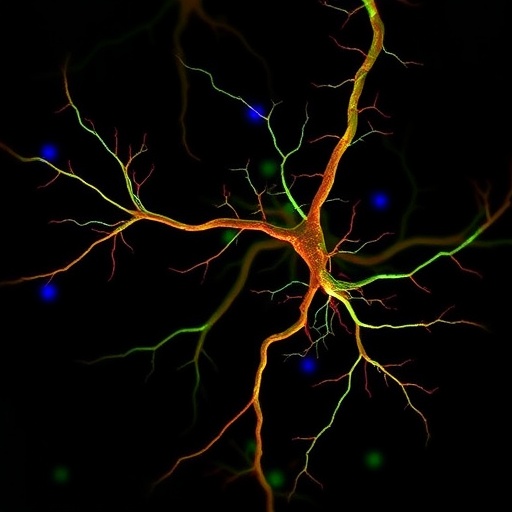
In a groundbreaking study that opens new avenues for understanding cellular adaptation under hypoxic conditions, researchers have made a significant discovery regarding the role of Wnt Inhibitory Factor 1 (WIF1). The study, conducted by a team of scientists including Chen, Zhang, and Deng, focuses on how the inhibition of WIF1 leads to enhanced angiogenesis in human umbilical vein endothelial cells, particularly when subjected to hypoxic stress. This correction and additional insights into previous research provide a deeper comprehension of the cellular mechanisms controlling blood vessel formation, which is critical in numerous medical conditions such as cancer and ischemic diseases.
Hypoxia, a condition where there is a deficiency of oxygen in tissues, is known to activate various cellular pathways that can either support survival or promote adaptations. The dynamics of how cells react to low oxygen levels have been a focal point of exploration in molecular biology. In the context of endothelial cells, which line blood vessels, their response to hypoxic conditions can dictate the formation of new blood vessels—a process termed angiogenesis. Research has shown that angiogenesis is crucial not only for normal development but also for wound healing and the progression of tumors.
WIF1 plays a pivotal role in modulating Wnt signaling, a critical pathway involved in numerous biological processes. It is known that Wnt signaling can influence cell proliferation, migration, and differentiation. However, the study details a fascinating twist: when WIF1 is inhibited, endothelial cells appear to ramp up angiogenic activity. This observation suggests a unique interplay between the inhibition of Wnt signaling by WIF1 and the cells’ ability to adapt to oxygen scarcity, ultimately promoting vascularization.
The researchers carried out a series of in vitro experiments on human umbilical vein endothelial cells to delve into these mechanisms. Their experimenting method involved exposing these cells to controlled hypoxic conditions and subsequently analyzing the changes in angiogenic markers. They incorporated methodologies such as immunofluorescence and gene expression analysis to observe the corresponding increase in factors associated with angiogenesis, including vascular endothelial growth factor (VEGF) and other key regulators. The results provided substantial evidence that inhibition of WIF1 releases the brakes on angiogenic processes during hypoxia.
Each of these findings adds complexity to the existing framework of cellular responses under hypoxia. The intricate network involved in the hypoxic response also includes various other signaling pathways and proteins that contribute to the overall response. The study posits that therapeutically targeting WIF1 may serve as a strategy to stimulate angiogenesis in ischemic tissues, possibly offering insights for novel treatment modalities in diseases characterized by inadequate blood supply.
Despite the clarity of the findings, the implications extend beyond the immediate effects of WIF1 inhibition. For instance, researchers discussed how these insights could redirect existing therapeutic approaches toward enhancing blood flow in ischemic tissues. Several conditions, including heart disease and stroke, are characterized by inadequate vascular perfusion, and stimulating an angiogenic response could pave the way for rejuvenating tissue health.
Interestingly, the role of hypoxia and its effects on angiogenesis continue to garner attention in the field of cancer research. Tumor microenvironments exhibit a spectrum of hypoxic conditions, fueling the malignant growth of tumors. This study prompts a re-evaluation of WNT signaling in the context of cancer biology as well. Existing cancer therapies that impact Wnt signaling could unintentionally influence WIF1 levels, leading to altered angiogenic responses and potentially impacting the efficacy of treatment.
As this research highlights, understanding the underlying mechanisms can provide researchers and clinicians with the tools to design better-targeted treatments for a variety of conditions. The benefits of promoting angiogenesis can be staggering, particularly for patients suffering from ischemic heart diseases or peripheral artery diseases. The dual nature of the WIF1 impact—acting as a promoter in hypoxic cellular responses, while also potentially facilitating tumor growth in cancers—requires a nuanced approach in therapy design.
Looking ahead, the authors suggest that further studies are needed to delineate the exact molecular pathways involved in the WIF1-mediated hypoxic response. Future research may potentially explore the therapeutic implications of manipulating WIF1 levels in clinical settings. Clinicians can work in tandem with basic researchers to evaluate new treatments targeting the Wnt pathway, providing a robust new toolkit for addressing chronic diseases associated with poor vascularization.
Collectively, these findings underscore the intricate interplay of cellular signaling mechanisms governing angiogenesis, particularly under stress conditions. This work not only contributes valuable insights into the biology of endothelial cells but also emphasizes potential strategies for enhancing tissue repair and regeneration, particularly in an increasingly aging population facing various ischemic challenges. The implications of this research extend across disciplines, linking cellular biology with clinical applications aimed at improving patient outcomes.
The intricacies of the study remind us that even in well-trodden pathways like angiogenesis, new discoveries can shift paradigms and open doors to innovative therapeutic approaches. The researchers’ recommendations for integrating WIF1 studies into broader angiogenic therapies offer a glimpse into the promising future of solubilizing complex biological responses for the benefit of human health.
As ongoing research unfolds and spans the collective potentials of various scientific fields, the future of therapeutics targeting angiogenesis is more promising than ever. This pioneering work sets the stage for an era where understanding cellular mechanisms not only elucidates the fundamental principles of biology but also yields palpable benefits in the clinical realm. Hence, researchers and clinicians must remain aligned, unlocking the potential of cellular signaling pathways in combating the myriad conditions plaguing human health today.
Ultimately, this research serves as a catalyst for future studies aimed at elucidating the adaptations of endothelial cells in pathological conditions, especially under stress. It underscores the importance of interdisciplinary collaboration in the pursuit of enhanced therapeutic strategies aimed at improving vascular health, potentially transforming the landscape of patient treatment and management going forward.
Chen, Y., Zhang, Y., Deng, Q. et al. Correction: Inhibition of Wnt Inhibitory Factor 1 Under Hypoxic Condition in Human Umbilical Vein Endothelial Cells Promoted Angiogenesis in Vitro.
Reprod. Sci. (2026). https://doi.org/10.1007/s43032-025-02015-1
Cite Scienmag News
Drew Townsend. (February 2, 2026). Wnt Inhibitory Factor 1 Boosts Angiogenesis Under Hypoxia. Scienmag. https://scienmag.com/wnt-inhibitory-factor-1-boosts-angiogenesis-under-hypoxia/
Drew Townsend. "Wnt Inhibitory Factor 1 Boosts Angiogenesis Under Hypoxia." Scienmag, 2 February 2026, https://scienmag.com/wnt-inhibitory-factor-1-boosts-angiogenesis-under-hypoxia/. Accessed 6 September 2026.
Drew Townsend. "Wnt Inhibitory Factor 1 Boosts Angiogenesis Under Hypoxia." Scienmag. February 2, 2026. https://scienmag.com/wnt-inhibitory-factor-1-boosts-angiogenesis-under-hypoxia/


