


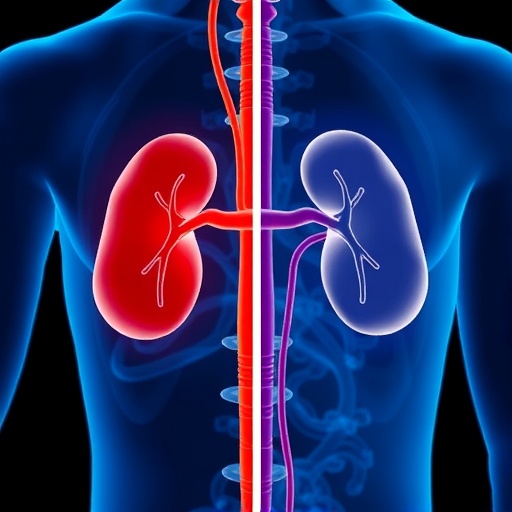
A recent study has brought a significant perspective to the field of medical education, particularly focusing on nephrology education for fifth-year undergraduate students. The research, conducted by Wang et al., compares the effectiveness of two distinct teaching methods: the BOPPPS (Bridge, Objectives, Pre-assessment, Participatory Learning, Post-assessment, and Summary) model combined with rain classroom teaching, and traditional teaching methods. This innovative approach aims not simply to enhance the pedagogical experience but to ultimately improve the understanding and retention of knowledge among future physicians.
The study is set against the backdrop of a growing recognition of the importance of innovative teaching strategies in medical education. Traditional methods, which rely heavily on rote memorization and passive learning, have come under scrutiny for their effectiveness in equipping students with the critical thinking skills necessary for clinical practice. Wang and colleagues seek to revolutionize this paradigm by introducing the BOPPPS model, which emphasizes student engagement and active participation in the learning process.
One of the crucial elements of the BOPPPS model highlighted in this study is its structured approach to teaching. The model begins with a “Bridge” that connects students’ prior knowledge to new content. This initial step is essential in creating a foundation for learning, allowing students to see the relevance of nephrology to their broader medical education. Following the bridge, the clear articulation of learning objectives helps to guide students’ focus, ensuring that they understand what is expected of them throughout the lesson.
Pre-assessment is another vital feature of the BOPPPS model. This step allows teachers to gauge the existing knowledge of their students and tailor their instruction accordingly. By understanding the students’ starting points, instructors can identify gaps in knowledge and address them effectively. This approach fosters a more personalized learning experience, which is often lacking in traditional teaching methods, where instruction is typically more generalized.
The participatory learning phase is perhaps the most transformative aspect of the BOPPPS model. Unlike traditional methods, which often involve passive observation and note-taking, this phase encourages students to engage actively with the material. Through scenario-based learning, discussions, and collaborative projects, students can apply theoretical knowledge to practical situations. This active engagement is critical in a field as complex as nephrology, where the ability to think critically and apply knowledge in real-world situations is paramount.
Post-assessment, the next step in the BOPPPS framework, serves to reinforce the material learned. It is during this phase that students reflect on their learning, allowing them to consolidate their understanding of nephrology concepts. This reflective practice is essential in medical education, as it encourages self-assessment and fosters a lifelong learning mindset—qualities that are crucial for any successful physician.
The study also incorporates a novel component known as rain classroom teaching, which complements the BOPPPS model. This approach utilizes technology to enhance classroom interaction, providing instant feedback to both students and instructors. Rain classroom teaching allows for real-time polls, quizzes, and discussions, effectively bridging the gap between traditional teaching methods and modern educational technologies. This integration of technology is especially relevant in today’s digital age, where students are increasingly accustomed to interactive and multimedia-based learning.
Preliminary findings from the study suggest that the combination of the BOPPPS model with rain classroom teaching substantially improves student engagement and understanding of nephrology concepts compared to traditional methods. Preliminary data indicates that students not only retain knowledge more effectively but also demonstrate enhanced critical thinking skills. The implications of these findings could be profound, potentially leading to a transformation in medical education practices.
As the study progresses, researchers are keen on analyzing numerical data regarding students’ performance and feedback comprehensively. Surveys and assessments conducted at the end of the teaching period will provide valuable insights into students’ perceptions of both teaching methods. By quantifying these experiences, Wang et al. aim to create a robust framework that can be utilized in medical education curricula worldwide.
Furthermore, the significance of the research extends beyond nephrology education. The methodologies and findings hold promise for various fields within medicine and health sciences. By applying the principles of the BOPPPS model and rain classroom teaching more broadly, educators may be able to cultivate a generation of physicians who are not only knowledgeable but also adept at applying their knowledge in dynamic clinical settings.
In conclusion, the study conducted by Wang, Chen, and Huang marks a pivotal moment in the ongoing evolution of medical education. By challenging traditional paradigms and embracing innovative teaching methods, the research has the potential to reshape how future physicians are trained. As medical educators continue to seek ways to enhance learning experiences, this study serves as a beacon for hope—indicating that with the right tools and methods, we can produce competent, adaptive, and skilled healthcare professionals ready to tackle the complexities of modern medicine.
As more institutions consider the implementation of the BOPPPS model and related pedagogical approaches, the future of medical education looks promising. The anticipated benefits for students, not only in terms of academic performance but also in their professional development, could lead to a profound shift in how healthcare is delivered and understood globally. As the study unfolds, it remains to be seen how widespread the adoption of these innovative techniques will become, but the early signs point towards a bright future for medical education.
Cite Scienmag News
Courtney Benton. (February 1, 2026). Enhancing Nephrology Education: BOPPPS vs. Traditional Methods. Scienmag. https://scienmag.com/enhancing-nephrology-education-boppps-vs-traditional-methods/
Courtney Benton. "Enhancing Nephrology Education: BOPPPS vs. Traditional Methods." Scienmag, 1 February 2026, https://scienmag.com/enhancing-nephrology-education-boppps-vs-traditional-methods/. Accessed 3 September 2026.
Courtney Benton. "Enhancing Nephrology Education: BOPPPS vs. Traditional Methods." Scienmag. February 1, 2026. https://scienmag.com/enhancing-nephrology-education-boppps-vs-traditional-methods/


