


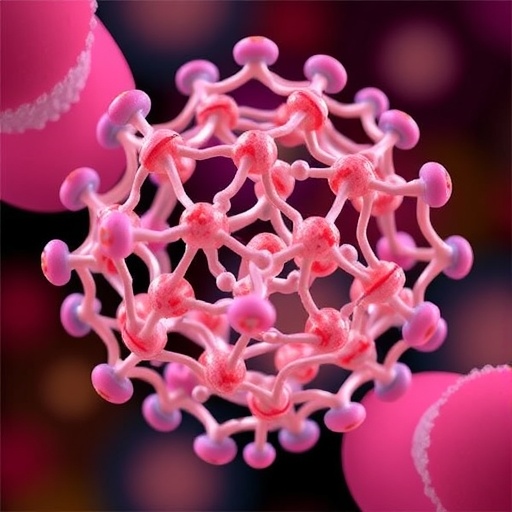
In a groundbreaking study, researchers led by Jeon, H., Joo, Y., and Husni, P. have unveiled a novel framework for the architecture-driven optimization of nanocarriers specifically designed for pH-responsive drug delivery. This research, published in the renowned journal “J. Pharm. Investig,” offers promising insights into enhancing targeted drug delivery systems, addressing significant challenges within the realm of pharmaceuticals, particularly in cancer therapies where localized treatment with minimal side effects is paramount. The interdisciplinary nature of this work spans fields from material science to pharmacology, unearthing a new horizon in drug delivery methodologies.
The core innovation revolves around the design and optimization of nanocarriers that respond dynamically to the pH changes in their environment, a critical feature in delivering therapeutics effectively to diseased tissues. The research underscores the necessity of tailoring the nanocarrier architecture to ensure efficient release of the drug in acidic environments, which are characteristic of tumor sites. This pH-sensitive delivery mechanism allows for a highly localized treatment approach, minimizing the systemic exposure of chemotherapeutics, and subsequently reducing adverse side effects often incurred during traditional chemotherapy.
Through rigorous experimentation and advanced simulations, the research team explored multiple configurations of nanocarrier materials, examining how variations in architecture influence drug release kinetics. Their findings indicate that certain structural attributes, including particle size, shape, and surface charge, play a pivotal role in the mechanisms of drug encapsulation and subsequent release under varying pH conditions. These insights are not only revolutionary for the design of nanocarriers but also foster the development of more effective cancer treatment protocols.
The researchers implemented a series of in vitro and in vivo experiments, wherein they tested their pH-responsive nanocarriers loaded with specific chemotherapeutic agents. Remarkably, results demonstrated a pronounced increase in drug retention at acidic sites, coupled with rapid release profiles once the nanoparticles encountered a more alkaline environment, mimicking the physiological conditions of healthy cells. This responsiveness drastically enhances the therapeutic index of the drug, ensuring that cancerous cells receive a concentrated dose while healthy tissues are spared.
Moreover, the optimization framework established by the researchers could pave the way for customization based on patient-specific tumor characteristics, marking a significant leap towards personalized medicine. The ability to adapt the nanocarrier architecture according to individual pH profiles could lead to tailored treatment regimens, thereby improving outcomes and patient quality of life.
The implications of this study extend beyond oncology. The concepts proposed by Jeon and colleagues have the potential to revolutionize the delivery mechanisms for a variety of therapeutics ranging from antibiotics to vaccines. For instance, targeted delivery systems developed through these methodologies could significantly enhance the efficacy of antimicrobial agents in treating infections by ensuring that high concentrations are released directly at the infection site.
Furthermore, the researchers have hinted at potential partnerships with biotech firms focused on drug development, signaling promising opportunities for commercialization. The intricate understanding of nanocarrier design that emerged from this study could drive innovation in therapeutic formulations and expand the repertoire of effective delivery systems in the pharmaceutical industry.
To aid the advancement of this research into practical applications, the team is advocating for further exploration into biocompatible materials that can safely encompass a broader range of drugs. The quest for optimizing the therapeutic efficacy and safety profiles of drugs through the architecture of nanocarriers remains an ongoing challenge that continues to propel scientific inquiry in nanotechnology.
Crucially, the study discusses the regulatory pathways associated with bringing such advanced drug delivery systems to market. The complexity of regulatory landscapes for nanomedicines necessitates clear and consistent preclinical data that elucidate safety, efficacy, and manufacturing processes. As such, scholarly dialogue emphasizing the importance of standardization and compliance in the development of nanocarriers is essential to facilitate smoother regulatory approvals.
In conclusion, the work presented by Jeon and his collaborators illustrates a robust foundation for future exploratory ventures into the utilization of nanotechnology in medicine. Their pioneering approach to architecting responsive nanocarriers promises not only to enhance drug targeting and efficacy but also to usher in an era of personalized, patient-centric treatment options. The research is poised to become a cornerstone in the discipline, inspiring further innovations that could ultimately transform therapeutic strategies across various medical domains.
In light of these findings, the pharmacological community is keenly interested in the wide-ranging implications that such breakthroughs hold. As researchers continue to refine these technologies, the hopeful vision remains that optimized drug delivery systems will play a critical role in the future of effective treatment methodologies. Unquestionably, the intersection of nanotechnology and pharmacology stands as a beacon of hope for patients worldwide, ultimately leading to better health outcomes and improved lives.
Jeon, H., Joo, Y., Husni, P. et al. Architecture-driven optimization of nanocarriers for pH-responsive drug delivery.
J. Pharm. Investig. (2026). https://doi.org/10.1007/s40005-025-00801-2
Cite Scienmag News
Iris M. (January 31, 2026). Optimizing Nanocarriers for pH-Sensitive Drug Delivery. Scienmag. https://scienmag.com/optimizing-nanocarriers-for-ph-sensitive-drug-delivery/
Iris M. "Optimizing Nanocarriers for pH-Sensitive Drug Delivery." Scienmag, 31 January 2026, https://scienmag.com/optimizing-nanocarriers-for-ph-sensitive-drug-delivery/. Accessed 29 August 2026.
Iris M. "Optimizing Nanocarriers for pH-Sensitive Drug Delivery." Scienmag. January 31, 2026. https://scienmag.com/optimizing-nanocarriers-for-ph-sensitive-drug-delivery/


