


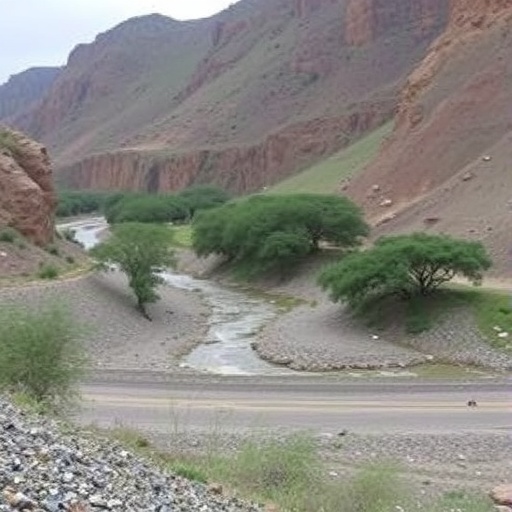
In an unprecedented study, researchers Meka, Mengiste, and Alamirew have embarked on pioneering work to unravel the complexities of sediment management in the Ashebeka River catchment area, situated in Central Ethiopia. This region is emblematic of broader global challenges faced by river systems, where sediment transfer is not merely a geographical issue but an ecological concern with implications for biodiversity and human development. The intricate dynamics of sediment transport underscore the need for effective watershed management practices, particularly in the context of increasing land-use changes and climate variability.
The core of their research focuses on “fingerprinting” sources of suspended sediments. This technique allows scientists to trace the origins of sediments by analyzing their unique characteristics, akin to how forensic experts identify culprits based on fingerprints. In a world where sediment dynamics are influenced by agricultural practices, deforestation, and urban development, such methodologies are crucial to inform sustainable practices that will preserve the ecological integrity of the river systems.
Sediments play a vital role in aquatic ecosystems, aiding in the maintenance of habitats for fish and other aquatic species. However, excessive sedimentation can be detrimental, leading to the degradation of water quality and the alteration of natural habitats. In the Ashebeka River catchment, the intricacies of sediment sources can exacerbate these effects, necessitating a thorough understanding to develop appropriate management strategies. With this objective in mind, the researchers conducted extensive field studies, employing advanced techniques that combined both chemical and physical analyses of sediment samples.
One of the key findings of this study is the distinction between natural and anthropogenic sources of sediment. Natural sources include erosion from riverbanks and hillsides, while anthropogenic sources often arise from agricultural runoff, land clearing, and construction activities. Identifying the specific contributions of these sources is integral to creating policies aimed at reducing sedimentation rates and mitigating its detrimental impacts on the aquatic environment. The study demonstrated that land use practices in the region significantly influenced sediment composition, highlighting the need for holistic watershed management approaches.
Additionally, the research examined seasonal variations in sedimentation, noting that rainfall patterns greatly affect sediment yields. This finding is particularly relevant in the context of climate change, where altered precipitation patterns can exacerbate soil erosion and increase sediment loads in rivers. In Central Ethiopia, where agriculture is often rain-fed, understanding these temporal dynamics is critical for anticipating future changes in sediment dynamics and preparing actionable responses.
Through partnership with local communities, this study also emphasizes the importance of stakeholder involvement in sediment management decisions. The researchers advocate for engaging with local farmers and landowners to raise awareness about practices that minimize soil erosion, such as cover cropping and reduced tillage. By aligning scientific findings with local knowledge and practices, there is a greater potential for sustainable management strategies that benefit both people and the environment.
Moreover, this research has significant implications for water quality assessment in the Ashebeka River, offering insights that can lead to informed policies and practices to enhance sustainability. Contaminants often attach themselves to suspended sediments, acting as carriers of pollutants into the aquatic environment. By understanding the sources and quantities of sediment, water quality managers can better predict and manage the risks posed to human health and ecosystem viability.
The innovative techniques employed in this research signify a broader trend in the field of environmental science, where interdisciplinary approaches are becoming increasingly vital. The integration of chemical fingerprinting and geographical data analysis highlights the convergence of traditional ecological knowledge and modern scientific methods. This hybrid approach not only strengthens the findings but also establishes a framework for addressing sediment-related issues globally.
The findings of Meka et al. underscore the interconnectedness between human activities and natural systems. As populations grow and agricultural practices intensify, the pressure on river systems will only increase. This research serves as a clarion call to policymakers and practitioners, urging them to consider the long-term consequences of land-use decisions on sediment dynamics and ecological health.
In conclusion, the work conducted in the Ashebeka River catchment is not just a local study but echoes a global narrative of environmental stewardship and responsible resource management. As we delve deeper into the fingerprints of our landscape, understanding the origins of sediment transport is essential to forge resilient ecosystems capable of withstanding the challenges posed by climate change and anthropogenic pressures. This study stands as a testament to the critical role of research in shaping our approach to sustainable development, highlighting that the rivers we rely on for sustenance and biodiversity are at the mercy of our actions on land.
Now, more than ever, the urgency to address the implications of sediment load is clear. As sedimentation patterns shift, so too must our strategies to protect and preserve our waterways. The research conducted by Meka, Mengiste, and Alamirew not only enhances our understanding of sediment sources but also paves the way for future investigations, offering a replicable model for similar studies in diverse environments worldwide.
Cite Scienmag News
Violet Maxwell. (January 31, 2026). Identifying Sediment Sources in Ethiopia’s Ashebeka River. Scienmag. https://scienmag.com/identifying-sediment-sources-in-ethiopias-ashebeka-river/
Violet Maxwell. "Identifying Sediment Sources in Ethiopia’s Ashebeka River." Scienmag, 31 January 2026, https://scienmag.com/identifying-sediment-sources-in-ethiopias-ashebeka-river/. Accessed 5 September 2026.
Violet Maxwell. "Identifying Sediment Sources in Ethiopia’s Ashebeka River." Scienmag. January 31, 2026. https://scienmag.com/identifying-sediment-sources-in-ethiopias-ashebeka-river/


