


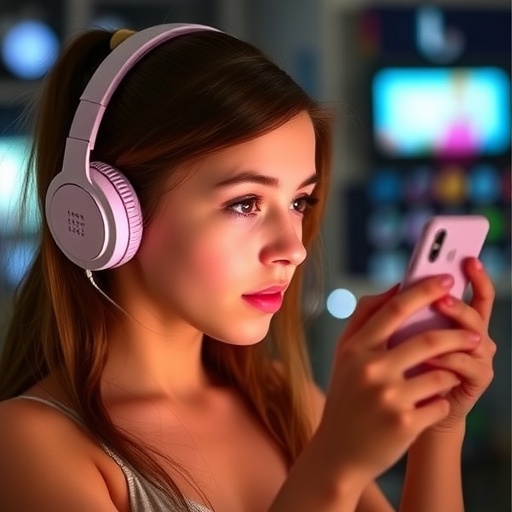
The digital landscape has profoundly shifted the way adolescents engage with the world around them, particularly in Western Europe. A recent study published in BMC Pediatrics sheds light on an important facet of this phenomenon: the correlation between time spent on digital media and body image issues among European adolescents. As digital content becomes ever more pervasive in the daily lives of young individuals, understanding how these interactions shape their self-perception is crucial for parents, educators, and policymakers alike.
The study by Loganathan and colleagues examined a broad sample of European adolescents, delving into how varying amounts of screen time impacted their body image. As young people immerse themselves in social media platforms filled with curated photos and idealized bodies, the question arises: how does this environment influence their self-image? The research reveals concerning trends that suggest prolonged exposure to digital media correlates with dissatisfaction regarding body image.
Interestingly, the findings indicate that not all digital media consumption is equal. Engagement on social networking sites, which often feature beauty-centric content, appears to have a more negative impact than other forms of digital interaction such as educational or recreational video consumption. The dynamics of social comparisons, where adolescents measure their worth against the seemingly perfect lives showcased by influencers and peers, take center stage in the analysis, illuminating the psychological effects of such comparisons.
Moreover, the study outlines a significant pattern: adolescents who spend more time on visual platforms are notably more likely to report feelings of inadequacy regarding their appearance. The pervasive nature of edited images and influencer culture may foster an unattainably high standard of beauty, leading to body dissatisfaction. This cycle is exacerbated by the constant bombardment of visual stimuli that idealize particular body types while downplaying diversity, thus leaving many adolescents feeling subpar.
Conversely, the study did identify nuances in how different genders experience these pressures. The researchers found that young females reported higher levels of body image dissatisfaction compared to their male counterparts. This discrepancy may be attributed to societal norms and expectations that place a greater emphasis on female beauty standards. The results underscore the need for targeted interventions that address the unique pressures faced by adolescent girls in a digital environment.
The implications of this research extend beyond personal feelings of self-worth; they highlight the potential for long-term psychological effects. Adolescents grappling with poor body image are at an increased risk of developing mental health issues such as anxiety and depression. Given the critical development phases during which these young individuals are navigating their identities, fostering a positive self-image is of paramount importance.
As the digital realm continues to evolve, so too must our approaches to safeguarding the wellbeing of adolescents. The findings urge stakeholders to consider how content moderation, educational resources on digital literacy, and mental health support can interlace to create a supportive framework for youth. Schools, parents, and mental health professionals must collectively take action to mitigate the adverse effects of an increasingly digital world.
The expansion of digital media’s role in everyday life underscores the urgency of these findings. As screen time burgeons with no signs of abatement, it becomes imperative to emphasize resilience and self-acceptance among adolescents. Educational campaigns that promote body positivity and critical engagement with media content could empower young people to navigate these challenges more adeptly.
Peer influence also emerged as a critical component in the study, pointing to the role that friendship dynamics play in shaping body image perceptions. Those adolescents who have supportive peer networks may experience moderated effects of social comparison, serving as buffers against the negative impacts of social media. Empowering youths to foster healthy relationships and supportive environments may thus act as a protective factor in combating body image issues.
As we look to the future, the study also hints at potential research avenues. By examining longitudinal impacts of digital media consumption, researchers can gain deeper insights into how these associations evolve over time. Such investigations could help inform preventive measures and educational practices aimed at reducing body dissatisfaction, particularly in a society increasingly dominated by digital interactions.
Overall, this research not only contributes to the broader understanding of adolescent psychology but also serves as a clarion call for immediate action. As digital media becomes an integral part of the adolescent experience, the responsibility falls on society to ensure that young people are equipped with the tools they need to nurture a healthy self-image, irrespective of the contents they consume online. Ultimately, fostering environments that celebrate diversity and self-acceptance may offer the best antidote to the challenges posed by the digital age.
In conclusion, as we dissect the findings of Loganathan and colleagues, it becomes abundantly clear that the digital media landscape presents both challenges and opportunities. By addressing the negative repercussions of digital engagement on body image, we can strive to create a healthier, more inclusive future for the next generation. The task demands a collective effort, but the reward—empowered, confident adolescents—makes the endeavor worthwhile.
Loganathan, G., Buck, C., Williams, G. et al. Associations between time spent with digital media and body image among European adolescents.
BMC Pediatr (2026). https://doi.org/10.1186/s12887-026-06551-w
Cite Scienmag News
Glenn Wilkins. (January 31, 2026). Digital Media Time Impacts European Adolescents’ Body Image. Scienmag. https://scienmag.com/digital-media-time-impacts-european-adolescents-body-image/
Glenn Wilkins. "Digital Media Time Impacts European Adolescents’ Body Image." Scienmag, 31 January 2026, https://scienmag.com/digital-media-time-impacts-european-adolescents-body-image/. Accessed 3 September 2026.
Glenn Wilkins. "Digital Media Time Impacts European Adolescents’ Body Image." Scienmag. January 31, 2026. https://scienmag.com/digital-media-time-impacts-european-adolescents-body-image/


