


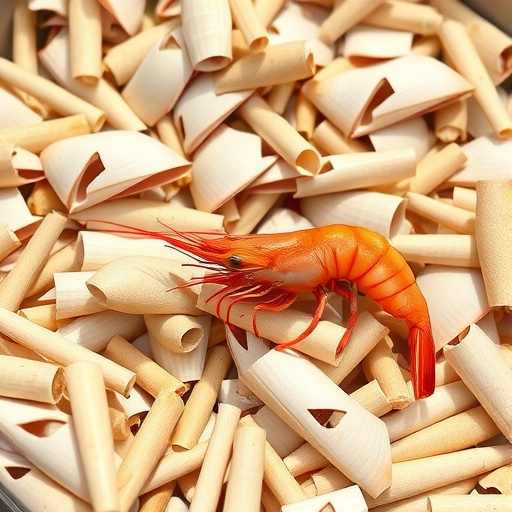
In a groundbreaking new study, published in the journal Engineering and Environment, researchers have explored the innovative application of black soldier fly larvae (BSFL) in repurposing shrimp shell waste. The paper, authored by Hu, X., Lv, X., and Zhu, Z., delves into the myriad benefits of using BSFL for bioconversion processes, particularly focusing on how these larvae can transform organic waste into high-value products, fostering a pathway toward a more sustainable and circular economy.
The essence of the research stems from the urgent need to address the increasing volume of shrimp shell waste that accumulates worldwide. Shrimp processing generates substantial quantities of shells, which are often discarded or utilized ineffectively, leading to environmental challenges such as pollution and resource wastage. This study posits that black soldier fly larvae represent a biological solution to this problem, capable of efficiently converting waste into nutritious biomass and organic fertilizers.
The larvae of the black soldier fly are known for their remarkable ability to thrive on organic waste. In this study, the authors meticulously documented the performance of BSFL when fed with various types of shrimp shell waste, measuring growth rates, conversion efficiencies, and nutritional quality. Their findings revealed that BSFL exhibited excellent growth rates and waste reduction capabilities, converting up to 40% of the shrimp shell mass into biomass in a remarkably short time. This efficiency highlights the potential of BSFL as a viable alternative for managing organic waste.
Researchers found that the larvae’s ability to process shrimp shells is not only a function of their innate biology but also influenced by factors such as temperature, humidity, and feeding conditions. An optimal environment maximized the larvae’s growth and conversion rates, underscoring the importance of tailored biorefinery practices. The implications of these findings extend beyond the immediate benefits of waste reduction; they offer a roadmap for the design of more efficient waste management systems in food processing industries.
Moreover, the study quantitatively analyzed the nutritional profile of the BSFL biomass produced from shrimp waste. The resulting larvae were found to be rich in protein and healthy fats, making them an ideal ingredient for animal feed and aquaculture. This dual functionality—waste conversion and nutrient production—positions BSFL not only as a method of waste disposal but also as a valuable resource in the agricultural sector.
The research also emphasizes the environmental implications of utilizing BSFL in waste management. By diverting shrimp shell waste from landfills and converting it into high-value products, this bioconversion process reduces greenhouse gas emissions associated with organic waste decomposition. Furthermore, the use of BSFL contributes to the principles of a circular economy, wherein resources are reused and repurposed, minimizing environmental impact while creating new economic opportunities.
The circular economy model, as advocated by the study, promotes sustainability by maximizing resource use and minimizing waste. The research underscores how utilizing BSFL in the biorefinery process aligns with this model, offering a cleaner, more efficient alternative to traditional waste disposal methods. By integrating BSFL into shrimp processing operations, producers could not only mitigate the environmental impact of waste but also enhance the profitability of their operations through new revenue streams from larvae production.
In addition to its application in shrimp shell waste, the versatility of BSFL presents opportunities for tackling other organic waste streams, such as agricultural residues and food waste. The authors suggest that the methodology established in this research could be adapted for broader applications, expanding the impact of BSFL technology in various sectors and enhancing resource recovery efforts globally.
The study calls for further research into optimizing the conditions under which BSFL thrive, emphasizing that achieving maximum efficiency in waste conversion will require a multifaceted approach involving microbiological studies and environmental controls. Understanding the interactions between larvae and their substrates could lead to further enhancements in bioconversion technologies.
As the world grapples with the challenges of waste management and food production, studies like this provide critical insights into innovative solutions. The benefits of black soldier fly larvae extend not only to the environment but also to sustainable agriculture and food security. By harnessing the potential of BSFL, we can shift towards a more sustainable model of resource utilization, transforming how we view waste and its potential value.
In conclusion, the research conducted by Hu et al. heralds a new era in waste management and sustainability practices, advocating for the integration of biological processes into our industrial systems. The promising results surrounding black soldier fly larvae not only showcase their potential as a waste conversion agent but also emphasize the importance of evolving towards a circular economy that benefits both the environment and economically disadvantaged sectors.
Such innovative research holds great significance in guiding future policies and practices surrounding waste management and sustainability. As industries begin to embrace biorefinery processes and the transformative power of organisms like the black soldier fly, we may very well see a tangible shift towards a more sustainable future, where waste is no longer viewed as an end product but as a beginning for new opportunities.
Hu, X., Lv, X., Zhu, Z. et al. Biorefinery of shrimp shell waste via black soldier fly larvae: larval performance, waste reuse efficiency, and circular economy potential.
ENG. Environ. 20, 40 (2026). https://doi.org/10.1007/s11783-026-2140-x
Cite Scienmag News
Violet Maxwell. (January 30, 2026). Transforming Shrimp Shell Waste into Sustainable Resources. Scienmag. https://scienmag.com/transforming-shrimp-shell-waste-into-sustainable-resources/
Violet Maxwell. "Transforming Shrimp Shell Waste into Sustainable Resources." Scienmag, 30 January 2026, https://scienmag.com/transforming-shrimp-shell-waste-into-sustainable-resources/. Accessed 3 September 2026.
Violet Maxwell. "Transforming Shrimp Shell Waste into Sustainable Resources." Scienmag. January 30, 2026. https://scienmag.com/transforming-shrimp-shell-waste-into-sustainable-resources/


