


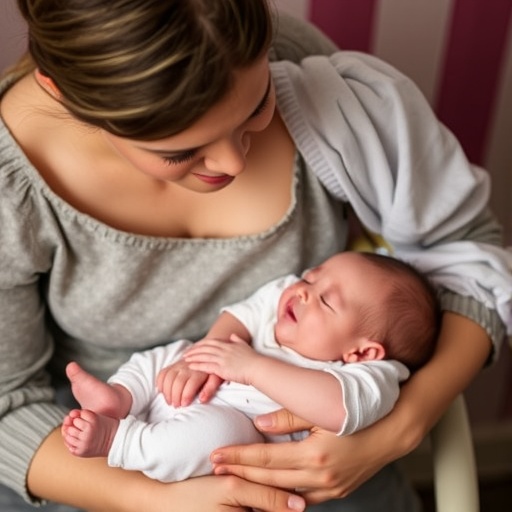
In a groundbreaking new study, researchers have illuminated the complex psychological landscape navigated by mothers of infants born with congenital anomalies. This investigation delves into the intricate interplay between resilience, perceived social support, and coping mechanisms in these mothers, offering unprecedented insights that could reshape approaches to maternal mental health care. The study, published in BMC Psychology, represents a multicenter, cross-sectional effort to map out the emotional and psychological challenges that accompany parenting in the context of congenital birth defects.
Congenital anomalies, referring to structural or functional anomalies that occur during intrauterine life, present not only significant medical challenges but also profound psychological stressors for parents, especially mothers. The varied nature of these anomalies means that the caregiving demands are often intense and prolonged, placing enormous emotional strain on families. The research team sought to understand how mothers adapt in the face of such adversity, focusing on their resilience—the psychological capability to bounce back from hardship—as well as the degree to which social support networks influence this resilience.
Resilience in psychological research is a multifaceted construct that encompasses emotional strength, flexibility, and the capacity to maintain mental well-being under stress. The investigators employed validated psychometric instruments to quantify resilience levels among the participant mothers, analyzing how these levels correlated with their perceived social support and preferred coping styles. Perceived social support was measured to assess how strongly mothers felt supported by family, friends, and the wider community, with the notion that subjective perception often holds greater weight than objective circumstances in psychological outcomes.
The methods involved recruiting participants from multiple medical centers, ensuring a representative sample that spanned diverse demographic and cultural backgrounds. This cross-sectional design allowed for a snapshot assessment capturing the relationship dynamics at a particular moment following the birth of an infant with a congenital anomaly. Data collection incorporated both quantitative scales and qualitative self-reports, providing a comprehensive picture of each mother’s psychological milieu.
The findings reveal a compelling narrative: mothers who reported higher levels of perceived social support also demonstrated significantly greater resilience. This suggests that the emotional buffering provided by a supportive network can mitigate the psychological burdens posed by caring for an infant with special health needs. Moreover, the study identified distinct coping styles—ranging from problem-focused to emotion-focused approaches—and highlighted how these strategies differently impacted resilience outcomes.
Problem-focused coping, which involves actively addressing the source of stress and seeking solutions, was positively associated with better resilience scores. This coping style empowers mothers to regain a sense of control in an otherwise unpredictable and distressing situation. Conversely, emotion-focused coping, predominantly involving regulation of emotional responses such as through denial or avoidance, correlated with lower resilience, indicating that while such strategies may offer short-term relief, they might undermine long-term psychological adaptation.
The implications of these findings are far-reaching. They advocate for healthcare professionals to prioritize bolstering social support frameworks for mothers facing the challenges of congenital anomalies in infants. This can be operationalized through community support groups, counseling services, and family education initiatives aimed at enhancing the mother’s network of aid. Such interventions could potentially fortify resilience, improving psychological outcomes for mothers and by extension, benefiting infant developmental trajectories.
Examining the nuances of social support, the study further differentiated between formal and informal support systems. Formal support encompasses professional healthcare providers, social workers, and organized programs, whereas informal support involves family members, friends, and peers. Interestingly, perceived informal support emerged as a more potent predictor of resilience, underscoring the critical role of close personal relationships in maternal mental health.
The research also draws attention to cultural factors influencing social support perceptions and coping styles. Cultural norms and familial structures shape how mothers seek and receive support, as well as their preferred methods of coping. Recognizing these culturally-rooted differences is vital for customizing interventions that are culturally sensitive and effective in diverse populations.
From a neuropsychological standpoint, the study touches on the potential mechanisms by which social support and active coping contribute to resilience. Social support may attenuate stress responses by modulating neuroendocrine pathways, such as reducing cortisol levels, which in turn preserves cognitive function and emotional regulation. Active problem-solving coping might promote neuroplasticity and foster adaptive brain circuitry that enhances stress tolerance.
The data also highlight the temporal dimension of resilience. Mothers’ coping styles and support systems were assessed not only immediately post-birth but also in subsequent months, revealing that resilience fluctuates over time and may improve with continued support and adaptive coping skills development. This dynamic perspective suggests the need for longitudinal interventions rather than one-time support.
In addressing limitations, the researchers note that the cross-sectional design precludes establishing causality between social support, coping styles, and resilience. Future longitudinal and interventional studies are needed to confirm these relationships and to test the efficacy of targeted psychosocial interventions. Additionally, expanding participant diversity could improve generalizability across different health systems and cultural contexts.
The study’s outcomes resonate with a growing body of evidence emphasizing the psychosocial dimensions of pediatric congenital anomalies. Traditionally, medical management has focused primarily on the physical health of the infant, occasionally sidelining parental well-being. Integrating psychological support as an essential component of comprehensive care may not only alleviate maternal distress but also foster more positive developmental outcomes for children.
Resilience frameworks informed by this research can guide policymakers in allocating resources to maternal mental health programs within neonatal and pediatric care settings. Given the high prevalence and lifelong implications of congenital anomalies worldwide, such investments hold the promise of mitigating the otherwise profound psychosocial toll on families.
Ultimately, this compelling study charts a path toward a more holistic understanding of motherhood in the face of congenital adversity. By unraveling how resilience is scaffolded by social support and active coping strategies, it equips clinicians, researchers, and communities with the necessary knowledge to foster stronger, healthier families. The pioneering multicenter design and rigorous methodology set a new standard for future research endeavors in maternal and child psychology.
As health landscapes evolve, integrating psychological resilience-building initiatives into neonatal care protocols promises to transform lives. This research heralds a new era where emotional well-being receives parity alongside physical health, marking a paradigm shift that recognizes the essential humanity underpinning medical science.
Cite Scienmag News
Glenn Wilkins. (January 30, 2026). Resilience and Support in Mothers of Anomalous Infants. Scienmag. https://scienmag.com/resilience-and-support-in-mothers-of-anomalous-infants-2/
Glenn Wilkins. "Resilience and Support in Mothers of Anomalous Infants." Scienmag, 30 January 2026, https://scienmag.com/resilience-and-support-in-mothers-of-anomalous-infants-2/. Accessed 5 September 2026.
Glenn Wilkins. "Resilience and Support in Mothers of Anomalous Infants." Scienmag. January 30, 2026. https://scienmag.com/resilience-and-support-in-mothers-of-anomalous-infants-2/


