


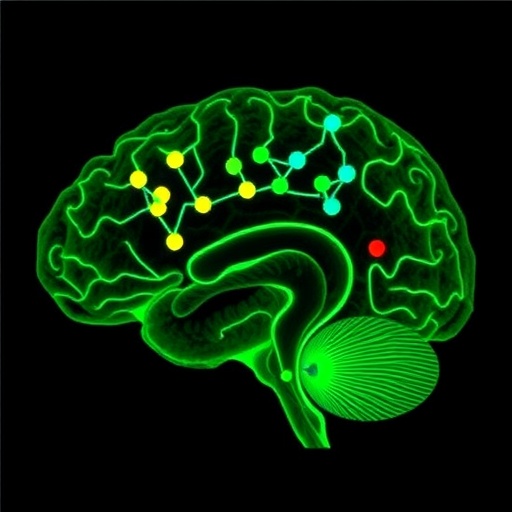
Researchers have made a significant stride in addressing one of the most formidable challenges in neurodegenerative diseases, particularly Alzheimer’s disease (AD). The August 2026 study published in BMC Neuroscience details a cutting-edge approach utilizing photoacoustic imaging to facilitate precise clearance of amyloid-beta (Aβ) and administer antioxidant therapy. This innovative methodology leverages palladium hydride nanosheets for photothermal treatment, marking a pivotal moment in the quest for effective AD therapies.
Alzheimer’s disease, a condition characterized by cognitive decline and memory loss, is driven by the accumulation of amyloid-beta plaques in the brain. These plaques are believed to contribute to neuroinflammation and neuronal death, leading to the symptoms associated with AD. Traditional therapies have often fallen short, prompting researchers to explore novel strategies aimed at both clearing existing Aβ and preventing further accumulation. The integration of nanotechnology into this domain provides unprecedented opportunities for intervention and monitoring.
In this groundbreaking study, a team led by Yu et al. designed palladium hydride nanosheets that exhibit remarkable photothermal properties. These nanosheets can be directed precisely to areas of the brain affected by Aβ accumulation. By utilizing photoacoustic imaging, the researchers were able to visualize and confirm the targeting of these nanosheets, ensuring that treatment was not only effective but also localized. This precision minimizes the risk of collateral damage to surrounding healthy tissues, a significant concern in traditional treatment methods.
The mechanism of action behind these nanosheets involves their ability to absorb light and convert it into heat. When subjected to near-infrared light, the palladium hydride nanosheets generate localized hyperthermia, effectively disrupting the stability of the aggregated Aβ plaques. This disruption leads to a cascade of cellular events that promote the clearance of Aβ, achieved through enhanced phagocytosis by microglia, the brain’s resident immune cells. This novel approach may set a precedent for future therapeutic strategies targeting neurodegenerative diseases.
In addition to Aβ clearance, the researchers recognized the importance of combating oxidative stress in Alzheimer’s pathology. The study incorporates an antioxidant therapy framework that synergizes with the photothermal treatment. By employing antioxidants alongside the photothermal action, the therapy not only targets the plaques but also helps protect neuronal cells from the oxidative damage that typically accompanies Aβ plaque formation. This combined approach is promising in its potential to offer a multi-faceted strategy to combat the disease.
The implications of this study reach far beyond its immediate findings. With promising preclinical results, the researchers are optimistic about translating this technology into clinical settings. They envision that, once safety and efficacy are established through rigorous clinical trials, patients suffering from Alzheimer’s could benefit from a significantly improved therapeutic regimen. This could lead to a paradigm shift in how the medical community approaches the treatment of neurodegenerative diseases.
Moreover, the techniques established in this work could extend beyond Alzheimer’s disease to include other tauopathies and neurodegenerative conditions that share similar pathogenic profiles. The successful application of this methodology could empower researchers and clinicians to address a broader array of diseases that afflict cognitive and neuronal health. As further research unfolds, we may see burgeoning pathways unlock novel interventions for conditions once deemed intractable.
As technology continues to evolve, the integration of artificial intelligence and advanced imaging techniques could further enhance the efficacy of nanomedicine in neurotherapeutics. Concepts surrounding real-time monitoring of treatment efficacy via imaging modalities may soon transition from theoretical frameworks to practical application. Such innovations could allow for personalized treatment approaches, tailoring therapeutic interventions to individual patient profiles and responses.
Collaboration between multidisciplinary teams is vital for realizing the full potential of these advanced technologies. The teamwork across specialized fields—ranging from materials science and nanotechnology to neurology—holds the key to driving forward the developments that could lead to revolutionary treatments. This holistic approach underscores the importance of innovation across various scientific fronts to address complex medical challenges.
In summary, the research spearheaded by Yu and colleagues is production of palladium hydride nanosheets for targeted Aβ clearance and antioxidant therapy through photoacoustic imaging, showcasing the remarkable potential of nanotechnology in Alzheimer’s treatment. As researchers continue to refine these techniques, the prospects for developing effective therapies to alleviate the burden of Alzheimer’s disease appear increasingly optimistic. The quest to achieve an effective balance between efficacy, safety, and precision in treating such a complex disease is no longer just a dream but a tangible goal on the horizon.
Yu, L., Zhao, M., Zhang, W. et al. Precise Aβ clearance and antioxidant therapy in Alzheimer’s disease via photoacoustic imaging-guided palladium hydride nanosheet-mediated photothermal treatment.
BMC Neurosci (2026). https://doi.org/10.1186/s12868-025-00994-0
Cite Scienmag News
Cassandra Pierce. (January 29, 2026). Photoacoustic Imaging Enhances Alzheimer’s Treatment with Nanosheets. Scienmag. https://scienmag.com/photoacoustic-imaging-enhances-alzheimers-treatment-with-nanosheets/
Cassandra Pierce. "Photoacoustic Imaging Enhances Alzheimer’s Treatment with Nanosheets." Scienmag, 29 January 2026, https://scienmag.com/photoacoustic-imaging-enhances-alzheimers-treatment-with-nanosheets/. Accessed 4 September 2026.
Cassandra Pierce. "Photoacoustic Imaging Enhances Alzheimer’s Treatment with Nanosheets." Scienmag. January 29, 2026. https://scienmag.com/photoacoustic-imaging-enhances-alzheimers-treatment-with-nanosheets/


