


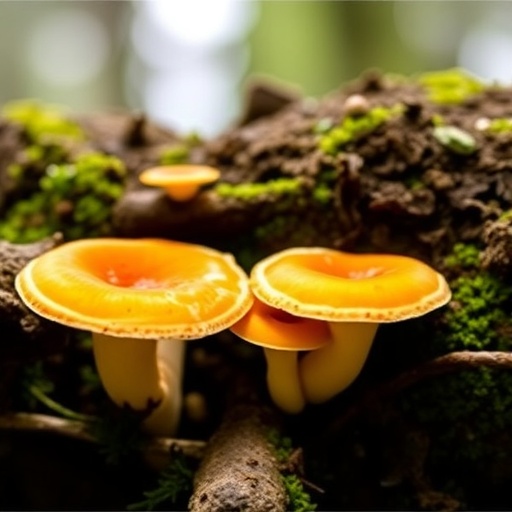
In a groundbreaking study encapsulated within the realm of biochemistry and pharmacology, researchers have uncovered novel insights into the production of Taxol, a potent anticancer compound, through the biosynthetic pathways present in an endophytic fungus known as Fusarium tricinctum. This exploration not only enhances our understanding of natural product biosynthesis but also opens avenues for sustainable production of this vital drug which has been a linchpin in cancer therapy since its discovery.
Taxol, or paclitaxel, is a complex diterpenoid known for its ability to inhibit cell division by stabilizing microtubules, which is crucial in cancer treatment strategies. Historically, Taxol was derived from the bark of the Pacific yew tree (Taxus brevifolia), leading to ecological concerns due to the slow growth rates and endangered status of these trees. The quest for alternative sources of Taxol has led scientists to explore various biological systems, culminating in the discovery of its biosynthetic potential in fungal endophytes.
The research team embarked on isolating Fusarium tricinctum from Taxus baccata, commonly known as European yew. Their work involved characterizing the fungus in terms of its genetic and metabolic capabilities. By employing advanced molecular techniques, they deciphered the genetic framework governing Taxol biosynthesis within the fungal species. This intricate process included the identification of key enzymes and precursor molecules essential for Taxol production, echoing complex metabolic pathways traditionally observed in plant systems.
Through meticulous experimentation, researchers were able to enhance Taxol yields by optimizing culture conditions and growth parameters for Fusarium tricinctum. This involved manipulating factors such as nutrient availability, pH levels, and temperature, showcasing a practical application of metabolic engineering principles. The results were promising; the endophytic fungus not only produced Taxol but also exhibited potential for increased yields compared to traditional extraction methods from yew trees.
One of the remarkable aspects of this research is the elucidation of the biosynthetic pathway which revealed several intermediate compounds leading to Taxol. This pathway captures a series of enzymatic reactions that transform simple precursors into the complex structure of Taxol, providing insight into the biochemical flexibility of endophytic fungi. Such discoveries are pivotal not only because they contribute to our understanding of fungal metabolism but also because they signify a shift towards utilizing microbial systems in pharmaceutical production.
Moreover, the findings raise questions about the ecological roles of endophytic fungi that inhabit higher plants. It suggests that these fungi could play a crucial role in plant defense mechanisms, potentially producing secondary metabolites like Taxol as a response to environmental stressors. Understanding these interactions between fungi and their host plants could lead to innovative agricultural practices and bolster the production of bioactive compounds in a sustainable manner.
The economic implications of this research are far-reaching. By pioneering a method for Taxol production via Fusarium tricinctum, there is potential for significantly reducing production costs while also ensuring a sustainable supply of this crucial drug. As the demand for Taxol continues to grow with advancing cancer therapies, such methodologies could alleviate the pressures on natural resources and provide a stable platform for consistent drug availability.
This study also hints at the broader applications of similar approaches in the pharmaceutical industry, wherein other valuable compounds could be synthesized through microbial fermentation processes. The push towards green chemistry emphasizes the necessity of reducing dependence on plant-derived sources, which are limited by ecological constraints and sustainability issues. By harnessing the metabolic pathways of fungi, researchers can unlock countless natural products that have been locked away in nature’s vast array of biodiversity.
Chot, Vasundhara, Medicherla, and their colleagues have indeed made a significant contribution to the field of biotechnology through this research. Their work is a testimony to the intricate connections that exist in nature and the potential that lies within these interspecies relationships. As these insights permeate the scientific community, they undoubtedly pave the way for new methodologies that could revolutionize drug production, offering hope for improved treatments for cancer patients worldwide.
In conclusion, the elucidation of the biosynthetic pathway of Taxol in Fusarium tricinctum not only offers an innovative platform for drug production but also emphasizes the importance of exploring untapped biological resources for therapeutic compounds. As science continues to evolve, the collaboration between genomics, biochemistry, and ecology will yield fruitful innovations, ensuring a sustainable future for our medical needs. This study represents just the tip of the iceberg in understanding and exploiting the wealth of discovery that lies within our ecosystems.
Chot, E., Vasundhara, M., Medicherla, K.M. et al. Taxol production and Elucidation of its biosynthetic pathway in endophytic fungus Fusarium tricinctum associated with Taxus baccata.
3 Biotech 16, 39 (2026). https://doi.org/10.1007/s13205-025-04657-z
Cite Scienmag News
Roger Howard. (January 28, 2026). Unraveling Taxol Production in Taxus-Associated Fungus. Scienmag. https://scienmag.com/unraveling-taxol-production-in-taxus-associated-fungus/
Roger Howard. "Unraveling Taxol Production in Taxus-Associated Fungus." Scienmag, 28 January 2026, https://scienmag.com/unraveling-taxol-production-in-taxus-associated-fungus/. Accessed 4 September 2026.
Roger Howard. "Unraveling Taxol Production in Taxus-Associated Fungus." Scienmag. January 28, 2026. https://scienmag.com/unraveling-taxol-production-in-taxus-associated-fungus/


