


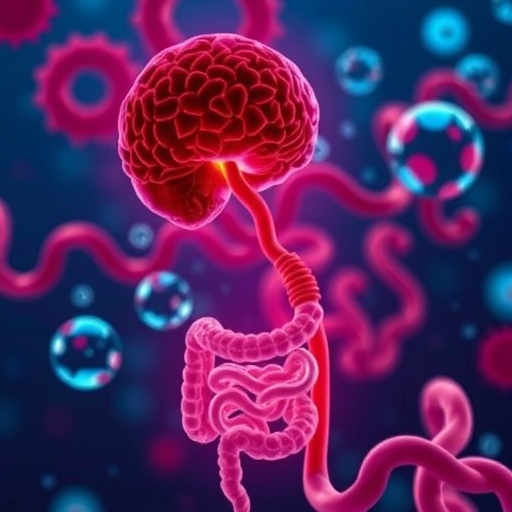
In a groundbreaking study set to reshape our understanding of the genetic interplay between mental health and physical diseases, recent research has unveiled significant shared genetic architectures between schizophrenia and gastrointestinal disorders. The study, conducted by a team of scientists led by Ding, Y., Wang, J., and Luo, Q., has employed large-scale genome-wide analyses that delve deep into the intricate web of genetic factors influencing both sets of conditions. The findings are not only pivotal for the scientific community but also hold implications for the treatment strategies of both schizophrenia and gastrointestinal diseases, potentially paving the way for integrated approaches that address both realms.
The shared genetic architecture highlighted in this research points to a complex interaction between biological mechanisms underlying schizophrenia and gastrointestinal disorders. While the correlation between mental health and physical health has long been acknowledged, this study marks a significant advancement in identifying the specific genetic bases that connect the two. Researchers analyzed vast genomic data across various populations, providing a comprehensive look at genetic variations that predispose individuals to both conditions. This type of genome-wide cross-trait analysis is a powerful tool, allowing scientists to unearth correlations that might be invisible when studying each disorder in isolation.
One of the key findings of this study highlights specific genetic loci that show significant association with both schizophrenia and gastrointestinal diseases. These loci could be potential targets for future research, aiming to explore their roles in the pathways contributing to both sets of health issues. By elucidating these genetic connections, the researchers are providing a clear path toward understanding how genetic predispositions may manifest into clinical symptoms across different yet interrelated health domains. Such insights could revolutionize the way we perceive and treat comorbid conditions, engaging a more holistic approach to healthcare.
The implications of these findings extend beyond mere academic curiosity; they point towards potential translational applications. For instance, the identification of shared genetic markers could enhance diagnostic processes, enabling clinicians to better identify individuals at risk of developing not only schizophrenia but also accompanying gastrointestinal issues. Moreover, understanding these genetic links may inform the development of novel therapeutic strategies that target the underlying biological mechanisms common to both sets of disorders, thus improving patient outcomes.
This extensive study utilized advanced computational techniques to analyze data from large biobanks, including the UK Biobank and the Psychiatric Genomics Consortium. The robustness of the data sets available to researchers today has vastly improved the granularity of genetic analysis, allowing for a more nuanced understanding of complex diseases. The methodological rigor employed in this study serves as a model for future research efforts that seek to uncover genetic correlations across various health conditions.
In an era where mental and physical health are increasingly recognized as interconnected, the findings from this study may encourage a shift in how healthcare providers approach patient care. For instance, it may become standard practice for mental health professionals to consider gastrointestinal health when evaluating and treating patients diagnosed with schizophrenia, recognizing that symptoms in one area may have underlying genetic ties to symptoms in another. This paradigm shift could foster interdisciplinary collaboration between psychiatrists, gastroenterologists, and genetic counselors, ultimately benefiting patient care.
The researchers anticipate that their work will stimulate further investigations into the mechanisms underlying the observed genetic correlations. Future studies could focus on exploring how environmental factors, lifestyle choices, and other non-genetic influences interact with these shared genetic factors to contribute to the onset and progression of both schizophrenia and gastrointestinal diseases. Such inquiries are crucial for developing a comprehensive understanding of how these conditions interact, ultimately informing more effective intervention strategies.
The study also sheds light on the potential role of inflammation in the pathophysiology of comorbid schizophrenia and gastrointestinal disorders. Recent evidence suggests that inflammatory processes may serve as a common pathway influencing both mental and physical health conditions. The identification of genetic markers linked to inflammatory responses in this study invites further exploration into how targeting inflammation could serve as a therapeutic avenue for individuals grappling with both schizophrenia and gastrointestinal complaints.
The intersection of genetics, mental health, and physical health is a rapidly evolving field that promises to reshape our understanding of disease mechanisms. As researchers continue to unearth the complexities involved, the potential for integrating genetic insights into everyday clinical practice becomes ever more tangible. With the emergence of personalized medicine, healthcare may soon transition to a model that tailors interventions based on an individual’s unique genetic profile, particularly for those experiencing comorbidity.
Importantly, the findings may also have implications for public health strategies and patient education. As awareness around the links between mental and physical health grows, health campaigns that educate individuals about the importance of comprehensive health screenings could promote early detection and intervention of both schizophrenia and gastrointestinal conditions. Empowering patients with knowledge can improve adherence to treatment plans and encourage proactive management of their health.
As these insights gain traction, they underscore the critical need for continued investment in genomic research and interdisciplinary studies. The complexities of health cannot be addressed in isolation; fostering collaborations between geneticists, psychologists, and other medical professionals will be essential for evolving our understanding of the multifactorial nature of diseases. Such collaborative efforts will not only enhance the depth of research but also empower future generations of healthcare professionals to approach patient care with a more integrated mindset.
In conclusion, the research conducted by Ding, Y., Wang, J., and Luo, Q. stands as a significant step forward in elucidating the shared genetic architecture between schizophrenia and gastrointestinal diseases. By employing cutting-edge genome-wide cross-trait analysis, the study has managed to highlight crucial genetic correlations that could inform future therapeutic strategies. As we move toward a more genomically informed era of medicine, the ripple effects of these findings may pave the way for holistic approaches to treatment, benefiting individuals navigating the complex interplay between mental and physical health.
Ding, Y., Wang, J., Luo, Q. et al. Shared genetic architecture between schizophrenia and gastrointestinal diseases: insights from large-scale genome-wide cross-trait analysis. Ann Gen Psychiatry (2026). https://doi.org/10.1186/s12991-025-00625-2
Cite Scienmag News
Glenn Wilkins. (January 28, 2026). Link Revealed Between Schizophrenia and Gut Disorders. Scienmag. https://scienmag.com/link-revealed-between-schizophrenia-and-gut-disorders/
Glenn Wilkins. "Link Revealed Between Schizophrenia and Gut Disorders." Scienmag, 28 January 2026, https://scienmag.com/link-revealed-between-schizophrenia-and-gut-disorders/. Accessed 5 September 2026.
Glenn Wilkins. "Link Revealed Between Schizophrenia and Gut Disorders." Scienmag. January 28, 2026. https://scienmag.com/link-revealed-between-schizophrenia-and-gut-disorders/


