


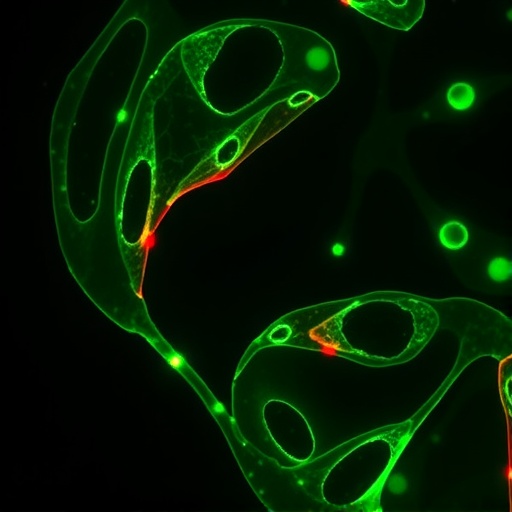
Recent research has uncovered a compelling connection between quercetin, a bioactive compound found in various fruits and vegetables, and the induction of ferroptosis in ovarian cancer cells. The study led by Zhao, Zhu, and Qian presents a captivating exploration into how quercetin operates at the molecular level, especially concerning the regulation of critical signaling pathways like HSPB1 and Notch1, which have been implicated in cancer metastasis and cellular metabolism. This groundbreaking work offers a glimpse into potential therapeutic avenues for managing ovarian cancer, a disease noted for its high mortality rate and late-stage diagnosis.
Ferroptosis, a form of regulated cell death distinct from apoptosis and necrosis, has emerged as a pivotal area of interest in cancer research. The study highlights how quercetin can trigger this unique form of cell death specifically in ovarian cancer cells. By understanding the mechanisms behind ferroptosis, researchers hope to identify new ways to combat cancers that have proven resistant to traditional therapies, thereby revolutionizing treatment paradigms.
The HSPB1 (Heat Shock Protein B1) and Notch1 signaling pathways play crucial roles in cellular stress responses and differentiation. Quercetin’s ability to modulate these pathways presents an exciting opportunity in oncological therapies. This research provides evidence that quercetin not only instigates ferroptosis but also does so by fine-tuning the expression levels of HSPB1 and Notch1, making it a significant player in cancer biology and treatment strategies.
Ovarian cancer is notoriously difficult to treat, with many patients being diagnosed at an advanced stage wherein traditional chemotherapy may offer limited benefits. The findings from this study indicate that the integration of quercetin into treatment protocols could enhance therapeutic efficacy. By inducing ferroptosis, quercetin may help in curbing tumor growth and promoting cancer cell elimination while sparing normal cells, thus potentially reducing side effects associated with conventional treatments.
As cancer research continues to evolve, the quest for effective and less toxic treatment alternatives remains paramount. This study underscores the promise of naturally occurring compounds, such as quercetin, in targeting specific cancer pathways. The dual mechanism of action—inducing ferroptosis through the modulation of crucial signaling pathways—demonstrates how plant-derived compounds can be invaluable in the fight against cancer.
Moreover, the antioxidants present in quercetin play a multifaceted role in cellular health. By reducing oxidative stress, quercetin not only facilitates ferroptosis but might also enhance the overall resilience of normal cells against malignancies. This characteristic positions quercetin as a unique therapeutic candidate, potentially serving both preventative and therapeutic roles in cancer management.
The implications of this research extend beyond ovarian cancer and could resonate across various oncological disciplines. If quercetin can effectively induce ferroptosis via the HSPB1/Notch1 axis in other cancer types, it might provide a novel strategy to combat multiple malignancies. This potential for broader applications serves as a strong motivational factor for continued investigations into quercetin’s mechanisms of action and efficacy.
As the scientific community races to translate these findings into clinical applications, patient-centric research will be vital. Future clinical trials will help ascertain the safety and effectiveness of quercetin as a standalone treatment or in combination with existing therapies. This progressive approach may usher in a new era of personalized medicine, where treatments are tailored to the unique characteristics of an individual’s cancer.
It is also crucial to address the bioavailability of quercetin, as the compound needs to be effectively absorbed and utilized by the body to exert its anticancer effects. Researchers are beginning to investigate various formulation strategies, such as nanoparticles or liposomal delivery systems, to enhance the bioavailability of quercetin and maximize its therapeutic impact.
In conclusion, those involved in cancer research and treatment should take note of the recent revelations regarding quercetin’s potential to induce ferroptosis in ovarian cancer cells. As the findings from Zhao and colleagues emerge as a cornerstone piece in this evolving puzzle, they not only advance our understanding of ovarian cancer biology but also set the stage for innovative therapeutic strategies. The journey from laboratory discovery to clinical application may be complex, but the promise of quercetin elucidated in this work represents a vital step forward in the combat against one of the most lethal forms of cancer.
Zhao, B., Zhu, H., Qian, H. et al. Quercetin induces ferroptosis in ovarian cancer through regulating HSPB1/Notch1 pathway. J Ovarian Res (2026). https://doi.org/10.1186/s13048-026-01986-2
Cite Scienmag News
Nathaniel Bowman. (January 28, 2026). Quercetin Triggers Ferroptosis in Ovarian Cancer via HSPB1/Notch1. Scienmag. https://scienmag.com/quercetin-triggers-ferroptosis-in-ovarian-cancer-via-hspb1-notch1/
Nathaniel Bowman. "Quercetin Triggers Ferroptosis in Ovarian Cancer via HSPB1/Notch1." Scienmag, 28 January 2026, https://scienmag.com/quercetin-triggers-ferroptosis-in-ovarian-cancer-via-hspb1-notch1/. Accessed 4 September 2026.
Nathaniel Bowman. "Quercetin Triggers Ferroptosis in Ovarian Cancer via HSPB1/Notch1." Scienmag. January 28, 2026. https://scienmag.com/quercetin-triggers-ferroptosis-in-ovarian-cancer-via-hspb1-notch1/


