


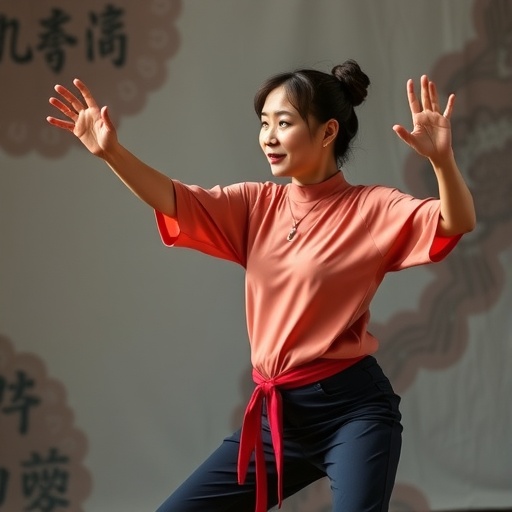
Recent studies have increasingly highlighted the pivotal role of physical activity in enhancing the quality of life, particularly as individuals age. One recent and influential systematic review and meta-analysis conducted by researchers, including Lu, Ngo, and Devonport, explores the extensive health-related benefits of engaging in dance and Tai-Chi among non-clinical adults. This research sheds light on the significance of these practices not only for physical fitness but also for mental well-being, providing compelling evidence that could reshape how we view traditional forms of exercise.
Dance and Tai-Chi have long been lauded for their cultural richness and aesthetic appeal. However, as evidence mounts, these activities are also emerging as powerful tools in promoting health, particularly among older adults. The research demonstrates that participating in such activities can lead to improved physical capabilities, including balance, coordination, and flexibility. This is especially critical in preventing falls, a major risk for the elderly, which can have devastating effects on their health and independence.
Moreover, the study highlights the mental health benefits derived from regular participation in dance and Tai-Chi. The researchers found significant reductions in symptoms of anxiety and depression among those who practiced these activities regularly. This is particularly relevant in contemporary society, where mental health challenges are prominent. Dance, with its rhythmic movements and social interactions, fosters a sense of community and connection, thereby alleviating feelings of isolation that can frequently accompany aging. Tai-Chi, often described as “meditation in motion,” offers a gentle but effective way to relieve stress and improve overall mental clarity.
Additionally, the review emphasizes the cognitive benefits of engaging in these physical activities. It suggests that dance and Tai-Chi can enhance various cognitive functions, including memory and executive function. This aspect of the research is essential, as cognitive decline is a growing concern for the aging population. Keeping the mind active and engaged through coordinated movement and rhythm may pave the way for better mental acuity and resilience against cognitive disorders.
In terms of practical implications, the review advocates for a more significant integration of dance and Tai-Chi into community health programs and senior wellness initiatives. Public health policies can benefit immensely from recognizing these activities as viable options for promoting health among older adults. By providing easily accessible classes and resources, communities can facilitate the involvement of individuals in these enriching practices.
The meta-analysis presented in the research offers a robust collection of data supporting the conclusions drawn. By synthesizing numerous studies, it delivers a comprehensive overview of how dance and Tai-Chi can impact health outcomes positively. This evidence-based approach underscores the necessity for healthcare providers to adopt holistic practices that encompass not just traditional exercise programs but also these culturally rich forms of movement.
One particularly compelling aspect of the study is its discussion of the social elements inherent in dance and Tai-Chi. These activities often occur in groups, promoting social interaction and community building. Such elements are crucial in combating the loneliness and isolation often experienced by older adults. The social environment that these activities foster can lead to improved emotional well-being, thus creating a more holistic approach to health.
Furthermore, the analysis explored the barriers that prevent non-clinical adults from participating in dance and Tai-Chi. Factors such as perceived lack of ability, accessibility, and availability of programs were identified as significant challenges. Addressing these barriers is crucial in facilitating broader participation and maximizing the health benefits these activities offer. Public health interventions that focus on lowering these barriers will be critical in promoting regular engagement among diverse populations.
In discussing the future implications of this research, the authors call for further studies to explore the long-term benefits of regular practice of dance and Tai-Chi. Understanding the duration and frequency of engagement required to reap these health benefits will be paramount in refining community and health programs. Research should also investigate the potential differences in outcomes based on varying styles of dance and approaches to Tai-Chi, thus tailoring interventions more effectively.
As societies grapple with aging populations, the findings from this systematic review stand as a vital resource for developing effective aging strategies. With a focus on holistic health promotion, incorporating dance and Tai-Chi could significantly enhance the quality of life for older adults. As these practices blend art and exercise, they provide a unique and enjoyable avenue towards achieving better health outcomes.
Researchers involved in the study also underscore the potential for these practices to improve overall physical health metrics, such as cardiovascular health and physical strength. Enhanced endurance and muscular strength developed through regular dance and Tai-Chi sessions can contribute significantly to healthier aging. Furthermore, the ability of these activities to enhance proprioception and balance plays a crucial role in the functional independence of older adults.
In summary, the systematic review and meta-analysis conducted by Lu, Ngo, and Devonport offer a compelling argument for the health-related benefits of dance and Tai-Chi among non-clinical adults. Their findings provide evidence that embraces a holistic view of health, intertwining physical, mental, cognitive, and social aspects. By advocating for greater inclusion of these activities in community and health interventions, there is a potential to not only improve the lives of older adults but also to redefine societal perspectives on aging and health.
Cite Scienmag News
Glenn Wilkins. (January 28, 2026). Dance and Tai-Chi Boost Health in Adults. Scienmag. https://scienmag.com/dance-and-tai-chi-boost-health-in-adults/
Glenn Wilkins. "Dance and Tai-Chi Boost Health in Adults." Scienmag, 28 January 2026, https://scienmag.com/dance-and-tai-chi-boost-health-in-adults/. Accessed 4 September 2026.
Glenn Wilkins. "Dance and Tai-Chi Boost Health in Adults." Scienmag. January 28, 2026. https://scienmag.com/dance-and-tai-chi-boost-health-in-adults/


