


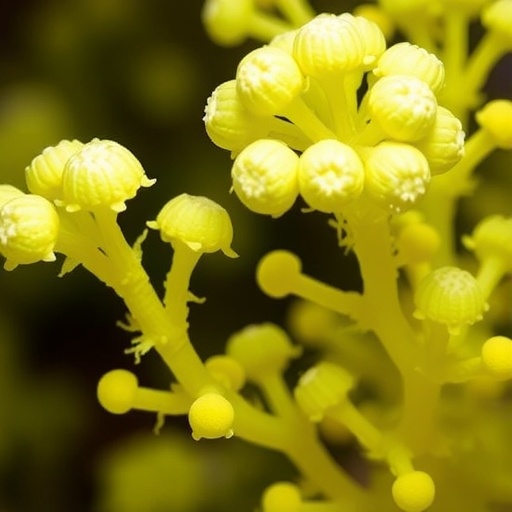
In groundbreaking research, scientists have identified a novel species of Clostridium that shows promise for high-yield butyric acid production. This finding emerges from an intriguing exploration of cellar mud, a substrate often overlooked in microbial studies. Butyric acid, a short-chain fatty acid, has a multitude of applications, ranging from bioplastics to pharmaceuticals, making this discovery particularly significant for both industrial and environmental biotechnology. The novelty of this Clostridium species offers new opportunities for sustainable production pathways in an era emphasizing greener solutions.
The unique metabolic characteristics of this newly identified Clostridium species may pave the way for advancements in biotechnological applications. Researchers led by Ming Dai, along with co-authors Miao Wu and Zhi Feng, have meticulously characterized the fermentation processes of this organism, revealing its efficiency in converting organic materials into butyric acid. The ability of this bacterium to thrive under specific anaerobic conditions demonstrates the potential for utilizing diverse organic substrates, including agricultural waste, for high-yield biofuel production.
One remarkable aspect of this particular Clostridium species is its adaptability to various environmental conditions. The study meticulously assessed the bacterium’s growth kinetics, outlining how it successfully acclimates to fluctuating pH levels and temperature ranges. This flexibility emphasizes the potential viability of large-scale fermentation processes that can be tailored to specific industrial requirements, inviting a broader discussion on the application of such organisms in commercial settings.
In addition to the efficient butyric acid production, researchers investigated the by-products generated during fermentation. Understanding these metabolic pathways is crucial for optimizing production processes, as certain by-products can either enhance or inhibit the yield of the desired compound. The intricate balance of metabolic outcomes observed in this Clostridium species provides insight into how microbial fermentation can be fine-tuned to maximize butyric acid output while minimizing waste.
Moreover, the ecological implications of harnessing this novel Clostridium species cannot be overstated. Traditional methods of butyric acid extraction often rely heavily on fossil fuels, contributing to environmental degradation. By shifting to a microbial-based production system, there is potential not only to reduce carbon footprints but also to promote circular economy principles by utilizing waste as a feedstock. This aligns seamlessly with contemporary global sustainability goals.
Investigators also highlighted the genetic characteristics of the novel Clostridium species, shedding light on the enzymatic pathways involved in butyrate biosynthesis. The genomic insights gleaned from the study open doors for synthetic biology applications, wherein genetic engineering could maximize butyric acid production further. These developments could lead to enhanced strains capable of outcompeting their natural counterparts in industrial fermentation settings.
The implications of this research extend beyond butyric acid production alone. Butyric acid plays a significant role in various biological processes, including gut health and the immune system’s function. Therefore, understanding this novel species could contribute to biomedical applications, particularly in developing probiotics or therapeutic agents that harness the benefits of butyric acid on human health.
The research team employed a rigorous methodology that encompassed both laboratory experimentation and metabolic modeling. Such comprehensive approaches aid in accurately predicting fermentation outcomes while also establishing a scientific foundation for scaling up production processes. The combination of applied microbiology and computational analysis offers robust insights into the future capabilities of this Clostridium species.
Public interest in biotechnological advancements continues to grow, with consumers more conscious of sustainable practices and eco-friendly products. The ability to produce valuable chemicals from organic waste not only addresses ecological concerns but also aligns with consumer preferences for sustainable products. The relevance of this research underscores its potential to inspire industry standards that favor environmentally humane practices.
This study also acts as a catalyst for further exploration into other lesser-known microbial species that may possess similar attributes. The potential of untapped resources, such as soil, mud, and organic detritus, has rarely been fully realized. Tapping into this biodiversity could uncover additional microorganisms capable of producing a plethora of useful compounds, from biofuels to biodegradable plastics.
As the world faces a myriad of environmental challenges, innovations in microbial biotechnology offer tangible solutions. The successful isolation and characterization of this novel Clostridium species highlight the importance of interdisciplinary collaboration in addressing complex problems. The synergy between microbiology, environmental science, and industrial engineering can provide a roadmap for future endeavors aimed at creating a more sustainable future.
In conclusion, the compelling findings from Dai, Wu, and Feng provide a glimpse into the future of microbial biotechnology. The identification of this novel Clostridium species as an effective butyric acid producer not only opens doors for sustainable industrial practices but also emphasizes the importance of understanding the underlying metabolic processes that drive such efficiencies. As research in this field progresses, it could lead to revolutionary changes in how we approach the production of renewable chemicals.
As researchers continue to explore the vast and uncharted territories of microbial diversity, it becomes increasingly clear that the solutions to many of our pressing environmental issues may lie within the tiny cells of these remarkable organisms. This research is set to pave the way for innovations that embrace sustainability, efficiency, and ecological responsibility.
Dai, M., Wu, M., Feng, Z. et al. A potential novel Clostridium species isolated from cellar mud for producing high yield of butyric acid and the metabolic characteristics.
3 Biotech 16, 82 (2026). https://doi.org/10.1007/s13205-026-04703-4
Cite Scienmag News
Gregory Coleman. (January 28, 2026). Novel Clostridium Species Yields High Butyric Acid. Scienmag. https://scienmag.com/novel-clostridium-species-yields-high-butyric-acid/
Gregory Coleman. "Novel Clostridium Species Yields High Butyric Acid." Scienmag, 28 January 2026, https://scienmag.com/novel-clostridium-species-yields-high-butyric-acid/. Accessed 4 September 2026.
Gregory Coleman. "Novel Clostridium Species Yields High Butyric Acid." Scienmag. January 28, 2026. https://scienmag.com/novel-clostridium-species-yields-high-butyric-acid/


