


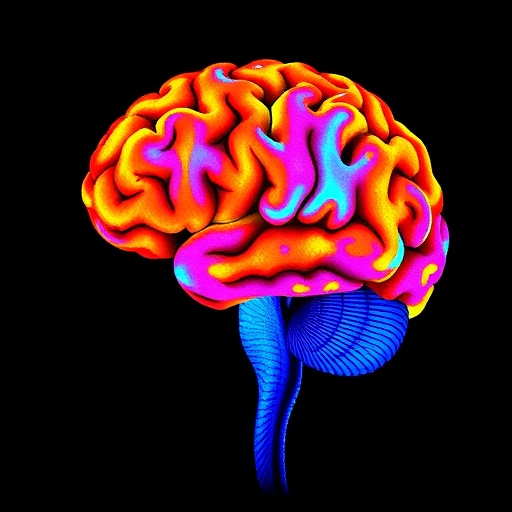
In the intricate landscape of pediatric neuro-oncology, a new horizon has emerged, spotlighting Pediatric Low-Grade Epilepsy-Associated Tumors (LEATS). This term encapsulates a spectrum of neoplasms commonly seen in children who experience epilepsy, a condition that manifests through recurrent seizures. In an insightful article authored by Pelissier et al., published in Pediatric Radiology in 2026, the focus is placed on neuroimaging techniques and the burgeoning understanding of the genetic underpinnings that characterize these tumors.
With an increasing incidence of epilepsy in the pediatric population, understanding its association with tumors is crucial for both diagnosis and treatment. Pediatricians and neurologists have long noted that children with epilepsy often present with cognitive deficits and developmental delays that could be linked to underlying structural brain abnormalities. This article offers a comprehensive review that spans multiple facets of LEATS, providing essential information for clinicians involved in the care of affected children.
The relationship between epilepsy and tumors in children has sparked widespread interest in the medical community. LEATS are typically low-grade tumors that tend to present with focal neurological deficits rather than the more generalized characteristics of typical epilepsy. These tumors, which include gangliogliomas and dysembryoplastic neuroepithelial tumors (DNETs), are often benign in nature, but they can result in significant morbidity due to their locations and effects on brain function. The discussion in the article serves as a critical reminder that epilepsy should not always be viewed as an isolated condition; it frequently has deeper, underlying structural causes that warrant thorough investigation.
Neuroimaging plays a pivotal role in the detection and characterization of LEATS. Advanced MRI techniques provide detailed visual representations of the brain, enabling clinicians to identify tumor locations and assess their impact on surrounding brain structures. The integration of diffusion tensor imaging (DTI) and functional MRI (fMRI) has enhanced our ability to map vital cognitive and motor pathways, offering insights into how tumors might affect brain function and behavior in children. Such diagnostic advancements underscore the necessity of comprehensive imaging protocols in pediatric epilepsy cases.
Moreover, the genetic implications of LEATS add a layer of complexity to their diagnosis and treatment. Recent studies have identified specific genetic mutations and alterations commonly associated with these tumors, including mutations in the BRAF gene. Understanding these genetic factors can inform treatment strategies, guiding clinicians toward targeted therapies that may improve outcomes for their young patients. As research continues to unveil the molecular mechanisms that underlie LEATS, the hope is that this knowledge will eventually translate into personalized treatment plans that take into account each child’s unique genetic profile.
The review by Pelissier et al. also highlights the importance of a multidisciplinary approach in managing pediatric patients with epilepsy and associated tumors. Collaboration among pediatric neurologists, oncologists, and radiologists ensures that each patient receives a tailored treatment regimen, which may include surgical intervention, chemotherapy, or radiation therapy as dictated by the tumor’s characteristics and the child’s overall health. By fostering communication across specialties, healthcare providers can optimize care pathways, reducing the burden of illness on both the child and their family.
As the field continues to evolve, there is a pressing need for standardization in the diagnostic criteria and treatment protocols for LEATS. Variability in diagnostic practices can lead to discrepancies in patient care and outcomes. Establishing consensus guidelines among professionals in pediatric oncology and neurology is essential for bridging gaps in knowledge and practice. This will ultimately contribute to improved survival rates and a higher quality of life for affected children.
In conclusion, the article by Pelissier et al. serves as a critical resource in the ongoing dialogue about pediatric low-grade epilepsy-associated tumors. By synthesizing current neuroimaging findings and genetic data, the authors present a compelling case for the need for further research and improved clinical practices. Children with epilepsy deserve thorough evaluations that consider the possibility of underlying tumors, and advancements in neuroimaging and genetics offer a promising future for identification and treatment. This evolving field not only seeks to improve individual patient outcomes but also strives to enhance the overall understanding of the complex relationships between tumors and epilepsy in the pediatric population.
As we look toward the future, continued research and collaboration will be key in unraveling the complexities of LEATS. The quest for knowledge in this area holds the potential to revolutionize how pediatric epilepsy-associated tumors are diagnosed and treated, ultimately fostering hope for children and families affected by these challenging conditions.
Pelissier, L., Sarma, A., Rispoli, J. et al. Pediatric low-grade epilepsy-associated tumors (LEATS): neuroimaging review and genetics update.
Pediatr Radiol (2026). https://doi.org/10.1007/s00247-026-06519-z
Cite Scienmag News
Nathaniel Bowman. (January 27, 2026). Unveiling LEATS: Neuroimaging and Genetic Insights. Scienmag. https://scienmag.com/unveiling-leats-neuroimaging-and-genetic-insights/
Nathaniel Bowman. "Unveiling LEATS: Neuroimaging and Genetic Insights." Scienmag, 27 January 2026, https://scienmag.com/unveiling-leats-neuroimaging-and-genetic-insights/. Accessed 4 September 2026.
Nathaniel Bowman. "Unveiling LEATS: Neuroimaging and Genetic Insights." Scienmag. January 27, 2026. https://scienmag.com/unveiling-leats-neuroimaging-and-genetic-insights/


