


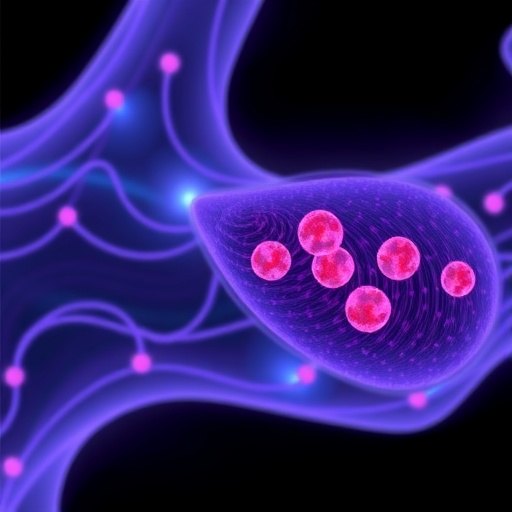
A groundbreaking study led by Shree Harini and Ezhilarasan has revealed a novel small molecule named Cardionogen-1, which has shown significant promise in the area of cancer therapy. This research, recently published in the journal 3 Biotech, specifically highlights its mechanism of action as a potent inhibitor of the Wnt/β-catenin signaling pathway in Huh-7 liver cancer cells. The Wnt/β-catenin pathway is crucial in various biological processes, particularly in cell proliferation, differentiation, and migration, making it a pivotal target in cancer research.
The study unfolds by establishing the context surrounding the role of aberrant Wnt/β-catenin signaling in cancer. Dysregulation of this pathway is frequently associated with numerous forms of malignancies, including liver cancer, which is notorious for its resistance to conventional therapeutic options. Understanding how to modulate this signaling cascade could lead to the development of more effective cancer treatments, providing hope to patients facing limited options.
In their investigation, the researchers utilized Huh-7 cells, a well-established model for liver cancer research, to explore the cytotoxic effects of Cardionogen-1. The experimental results demonstrated that treatment with Cardionogen-1 significantly reduced cell viability in Huh-7 cells, implicating its potential as a new chemotherapeutic agent. The implications of this finding are profound, as it suggests that targeting the Wnt/β-catenin pathway could lead to novel strategies for treating liver cancer effectively.
Cardionogen-1 is particularly noteworthy due to its ability to initiate cell apoptosis, a programmed cell death process that is often evaded by cancer cells. The mechanisms underlying Cardionogen-1’s activation of apoptosis were meticulously examined through various assays, revealing that it prompts intrinsic and extrinsic apoptotic pathways. These pathways are critical in cellular homeostasis, and their manipulation could tip the scales towards preventing tumor growth.
Furthermore, the research details the inhibition of β-catenin nuclear translocation as a central component of Cardionogen-1’s action. By preventing β-catenin from entering the nucleus, the molecule effectively disrupts the transcription of target genes that promote tumorigenesis. This aspect of the findings underscores the importance of nuclear β-catenin in cancer progression, reaffirming the viability of targeting this pathway in therapeutic strategies.
The significance of Cardionogen-1 extends beyond its cytotoxic capabilities; the study further delves into its mechanism at the molecular level. Through Western blot analyses and gene expression profiling, the research elucidated how Cardionogen-1 regulates key molecules involved in the Wnt signaling pathway, such as Axin, GSK-3β, and Cyclin D1. These findings provide a clearer picture of Cardionogen-1’s role in disrupting the oncogenic signaling cascade, supporting its potential development into a therapeutic candidate.
In terms of drug development, the implications of this study are promising. The transition from small molecule discovery to clinical applications often involves complex processes, and the findings related to Cardionogen-1 offer a crucial insight. Researchers emphasize the potential for small molecule inhibitors like Cardionogen-1 to be integrated into combination therapies, potentially enhancing the effectiveness of existing treatments while minimizing side effects.
The nanotherapeutic properties of small molecules have gained momentum in recent years, and Cardionogen-1 fits this narrative seamlessly. Its ability to penetrate cells and modulate intracellular signaling pathways positions it as an attractive candidate for further study. Additionally, the low molecular weight of Cardionogen-1 suggests that it may possess favorable pharmacokinetic properties, which are essential features for any drug aiming for clinical utility.
The results of this study mark a pivotal step in exploring the therapeutic potential of Cardionogen-1, but the journey does not end here. Future in vivo studies will be critical in translating these findings from the bench to the bedside. As researchers continue to elucidate the pathways by which Cardionogen-1 exerts its effects, we can anticipate robust discussions surrounding dosage optimization, therapeutic window assessment, and the overall safety profile of this novel compound.
In conclusion, the discovery of Cardionogen-1 and its action on the Wnt/β-catenin signaling pathway presents exciting possibilities for the treatment of liver cancer. It illuminates a promising avenue for further exploration in cancer therapeutics, underscoring the necessity for continued research in this arena. Enhancing our understanding of such pathways may ultimately lead to the development of more effective and targeted therapies, providing hope for patients grappling with cancer’s myriad challenges.
As this research unfolds, the scientific community eagerly anticipates the next stages of development. The collaborative efforts of researchers across various disciplines will be essential in navigating the complexities of drug development, regulatory landscapes, and clinical trials. The insights gained from studies like this are invaluable in paving the way for innovative approaches to combat cancer, making Cardionogen-1 a molecule to watch closely in the hunt for effective cancer therapies.
In summary, the work conducted by Harini and Ezhilarasan serves not only as a scientific milestone but also as a beacon of hope. Their investigation into Cardionogen-1 exemplifies the resilience and ingenuity required to confront one of humanity’s most formidable adversaries—cancer—and provides inspiration for future scientific endeavors in this relentless pursuit of effective treatments.
Cite Scienmag News
Gregory Coleman. (January 27, 2026). Cardionogen-1 Triggers Cell Death via Wnt Pathway Inhibition. Scienmag. https://scienmag.com/cardionogen-1-triggers-cell-death-via-wnt-pathway-inhibition/
Gregory Coleman. "Cardionogen-1 Triggers Cell Death via Wnt Pathway Inhibition." Scienmag, 27 January 2026, https://scienmag.com/cardionogen-1-triggers-cell-death-via-wnt-pathway-inhibition/. Accessed 4 September 2026.
Gregory Coleman. "Cardionogen-1 Triggers Cell Death via Wnt Pathway Inhibition." Scienmag. January 27, 2026. https://scienmag.com/cardionogen-1-triggers-cell-death-via-wnt-pathway-inhibition/


