


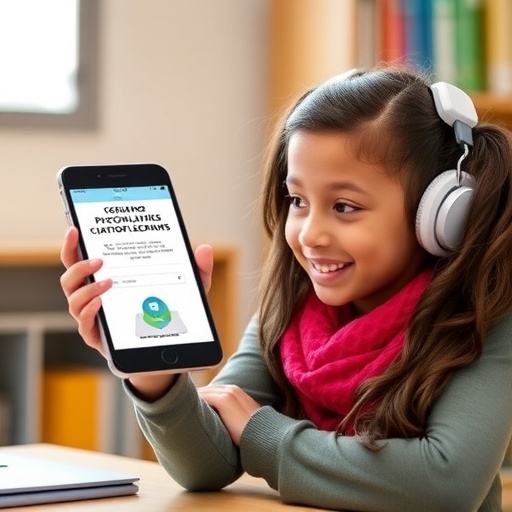
In the realm of mental health, the importance of integrating psychoeducational strategies into school-based frameworks is gaining significant attention. As educational institutions grapple with the mental health needs of students, a recent study sheds light on the insights of youth and caregivers related to a proposed digital application designed to enhance psychoeducation. This innovative approach, as articulated by Gonzalez, Garcia, Ijadi-Maghsoodi, and their colleagues, marks a pivotal moment in addressing the complexities of mental health challenges faced by young individuals today.
Psychoeducation is a critical component of mental health care. By providing information about mental health issues and treatment options, psychoeducation can empower individuals and their families to make informed decisions about their care. The benefits of psychoeducation are manifold, as it not only helps to demystify mental health disorders but also encourages open discussions surrounding these topics in a school setting. This discourse is essential, especially as stigma around mental health persists in many communities.
The proposed digital application aims to create a user-friendly platform that facilitates access to psychoeducational resources tailored for both youth and their caregivers. The primary goal is to foster an environment of support and understanding, enabling users to engage with content designed to improve mental well-being. Importantly, the insights gleaned from this research reflect a growing recognition of technology’s role in mental health interventions, particularly in a post-pandemic world where digital solutions have become increasingly vital.
As part of this exploratory study, the researchers conducted interviews and focus groups with both youth and caregivers to gather their perspectives on the digital app’s potential features and functionalities. The feedback revealed a strong desire for interactive content, such as videos, quizzes, and forums for peer support. Participants expressed that engaging, multimedia-rich content could enhance learning and retention, thereby encouraging more users to access mental health resources.
Privacy and anonymity emerged as paramount concerns during discussions. Many youth reported feeling hesitant to engage with mental health resources due to fears of their privacy being compromised. The research highlights a critical insight: digital platforms must prioritize confidentiality and user safety to cultivate trust and encourage participation among vulnerable populations. Designing an app that prioritizes these concerns is likely to increase engagement and efficacy.
Another vital insight from the participants is the necessity for culturally relevant content. In a diverse society, mental health resources must resonate with various cultural backgrounds to be effective. Youth and caregivers emphasized the importance of including narratives and examples that reflect their experiences. This equity-focused approach could potentially dismantle barriers to accessing mental health care, thereby making psychoeducation more inclusive and effective for all students.
The study further explores the role of caregivers in the psychoeducation process. Many caregivers noted they often feel overwhelmed by their responsibilities and are uncertain about how to support their youth during challenging times. The researchers advocate for the inclusion of tools and resources within the app that specifically aim to educate and empower caregivers. By equipping caregivers with the necessary knowledge and skills, families can work collaboratively to navigate their mental health journeys.
One of the critical findings of this research is the necessity for ongoing evaluation and adaptation of the app’s content. As mental health trends and issues evolve rapidly, it is imperative that the resources provided through the app remain current and relevant. The research team plans to implement a feedback loop for continuous improvement, ensuring that the app evolves alongside the needs of its users.
This study aligns with a broader movement within educational systems to incorporate mental health education into curricula. Schools are increasingly recognizing that mental health is just as important as academic achievement. Research suggests that when students feel supported emotionally, they are better equipped to succeed academically. By integrating psychoeducation into school environments through a digital platform, educators can foster a more holistic approach to student welfare.
Moreover, the potential for collaboration between educational institutions, mental health professionals, and tech developers is immense. This interdisciplinary approach can lead to the creation of comprehensive solutions tailored to meet the needs of students and their families. The study emphasizes the importance of engaging all stakeholders in the development process to ensure that the resulting applications are not only effective but also widely adopted.
As awareness of mental health issues continues to rise, studies like this one are crucial in shaping future interventions. The research highlights the necessity for innovative solutions that resonate with young individuals and their caregivers. By leveraging technology, we can transform how mental health resources are delivered, making them more accessible and effective for those who need them.
In conclusion, the insights gathered from this research emphasize a shift towards more interactive, culturally relevant, and confidential psychoeducation resources accessible through digital platforms. By addressing the mental health needs of youth and caregivers alike, we can pave the way for a future where mental well-being is prioritized within school systems. Allowing individuals to access crucial information in a secure and engaging manner can help foster a generation that prioritizes mental health just as much as physical health.
Ultimately, the use of technology in psychoeducation is an exciting frontier. As digital applications continue to evolve, there is immense potential to reach underserved populations and make a tangible difference in the lives of individuals grappling with mental health challenges. This drive for innovation, powered by research and user feedback, represents a hopeful direction for the future of youth mental health interventions.
Cite Scienmag News
Glenn Wilkins. (January 27, 2026). Digital App Enhances Psychoeducation in School Mental Health. Scienmag. https://scienmag.com/digital-app-enhances-psychoeducation-in-school-mental-health/
Glenn Wilkins. "Digital App Enhances Psychoeducation in School Mental Health." Scienmag, 27 January 2026, https://scienmag.com/digital-app-enhances-psychoeducation-in-school-mental-health/. Accessed 4 September 2026.
Glenn Wilkins. "Digital App Enhances Psychoeducation in School Mental Health." Scienmag. January 27, 2026. https://scienmag.com/digital-app-enhances-psychoeducation-in-school-mental-health/


