


In recent years, neurological disorders, particularly Parkinson’s disease (PD), have captured the attention of researchers aiming to uncover novel therapeutic strategies that can mitigate the progression of these debilitating conditions. Notably, a recent study led by an innovative team of scientists sheds light on the beneficial properties of an osmotin-derived 9-amino-acid peptide. This groundbreaking research underscores the peptide’s ability to alleviate α-synuclein and MPTP-induced glial cell activation, which aligns with neuroinflammation, providing significant protection for dopaminergic neurons within the context of Parkinson’s disease in murine models.
Parkinson’s disease is characterized by the progressive degeneration of dopaminergic neurons in the substantia nigra, leading to motor deficits and a wide array of non-motor symptoms. One of the primary culprits in this neurodegenerative process is the aggregation of α-synuclein proteins, which can instigate a cascade of neuroinflammatory responses. These responses are mediated by glial cells – namely microglia and astrocytes – which when activated, contribute further to neuronal damage and exacerbate the pathological environment of the nervous system.
The research team, led by Choe and collaborators, embarked on this cardiovascular study with the intention of exploring how specific peptides derived from osmotin can counteract the harmful effects of neuroinflammation. Osmotin, a plant protein often lauded for its antifungal properties, is posited to have additional neuroprotective benefits when its peptide fragments are employed in therapeutic contexts. Preliminary analyses indicated that the characteristics of this 9-amino-acid peptide could potentially facilitate enhanced neuronal survival amidst neurotoxic conditions.
Subsequent in vitro and in vivo experiments were meticulously designed to evaluate the peptide’s efficacy. The researchers used the widely recognized MPTP model, which replicates many biochemical and pathological hallmarks of Parkinson’s disease. Through this experimental paradigm, they subjected murine models to MPTP to induce neuroinflammation and subsequently assessed the peptide’s protective effects on neuronal integrity and function.
Findings from this study revealed that treatment with the osmotin-derived peptide notably reduced glial activation, a defining feature of neuroinflammation. Moreover, there was a marked decrease in the levels of pro-inflammatory cytokines, which are typically upregulated during inflammatory episodes, thus contributing to the neuronal environment’s toxicity. These results painted a compelling picture of how the peptide operates as a neuroprotective agent, potentially reversing or attenuating the neurodegenerative processes evident in models of Parkinson’s disease.
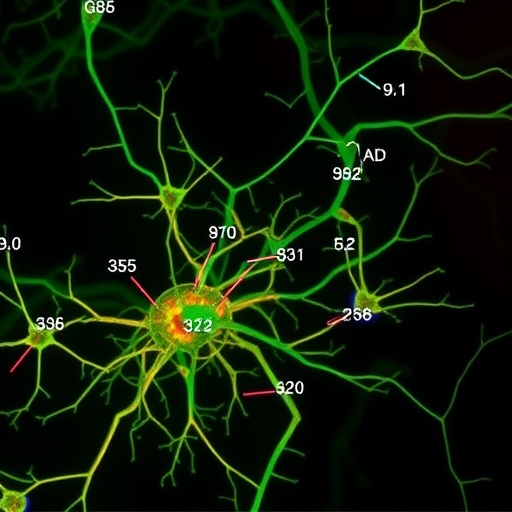
Furthermore, the research team employed advanced microscopy and immunohistochemical staining techniques to visualize the protective effects of the peptide on dopaminergic neurons in the brain. They observed significant preservation of neuronal structures and a reduction in cell death, findings that spotlight the peptide’s therapeutic potential in safeguarding neuronal populations against the barrage of inflammatory stimuli.
While the data is promising, the road ahead includes comprehensive clinical trials to confirm the safety and efficacy of this peptide in human subjects. The neurobiology underlying peptide interactions remains a critical area of study, as scientists continue to unravel the intricate biochemical pathways implicated in PD. To achieve translation from bench to bedside, an understanding of the peptide’s pharmacodynamics, pharmacokinetics, and potential long-term effects on neural tissue will be crucial.
The researchers have noted the peptide’s potential to evolve into a multifaceted treatment modality, aim to combine it with existing therapies that target dopamine replacement, thereby establishing a neuroprotective layer above symptomatic relief. This combination approach could serve to not only alleviate symptoms but also actively thwart the neuropathological processes underlying disease progression.
As the field advances, there remains a fervent hope that insights from studies like these will forge new trajectories in the treatment of neurodegenerative diseases. The intertwining challenges of neuroinflammation and α-synuclein aggregation need urgent intervention, and the osmotin-derived peptide represents a hopeful beacon of therapeutic potential. With continued support from the scientific community and funding bodies, the path towards definitive treatment options for Parkinson’s disease may soon become a reality.
In essence, this investigation stands at the intersection of neurobiology and therapeutic development, highlighting how nature-derived compounds can lead to synthetic avenues of hope in managing chronic neurodegenerative ailments. The future trajectory of this work will undoubtedly inspire further exploration into the realm of peptides and their potential applications in neuroscience—a space poised for innovation as it seeks to provide solutions for patients suffering from the various manifestations of Parkinson’s disease.
The challenges faced in developing effective treatments for neurological disorders must not discourage the quest for solutions. With every study informed by findings such as those presented by Choe and their colleagues, the scientific community edges closer to unveiling viable treatment options that harness the potential of the body’s innate mechanisms for healing and protection. As research continues, optimism remains high that forthcoming innovations will allow thousands of individuals affected by Parkinson’s disease to reclaim their movement, their lives, and their dignity.
This compelling study not only advances our understanding of neuroinflammation’s role in Parkinson’s disease but also heralds a new era in the exploration of peptide-based therapies. The implications here are far-reaching, suggesting that what may have begun as a focused inquiry into a plant-derived protein could unravel into a broader exploration of cellular protection mechanisms across various neurodegenerative diseases.
Continuous investigation into the biochemical principles governing neuronal resilience—including glial cell dynamics and neuroinflammatory pathways—will be crucial as we strive to harness the therapeutic potential of naturally occurring peptides. This avenue of research, coupled with the innovative approaches of modern science, holds much promise as we endeavor towards a horizon where neurodegenerative conditions like Parkinson’s can be effectively managed or even cured.
Amidst these promising developments, raising awareness, funding, and support for such research becomes imperative as it propels critical studies from hypothesis to impact. The future may lie in the intricate dance between basic science, translation, and clinical application, all aimed at creating a world wherein neurodegenerative diseases can be met with the same vigor and resolve as other chronic illnesses.
Cite Scienmag News
Cassandra Pierce. (January 26, 2026). Peptide Protects Dopaminergic Neurons in Parkinson’s Model. Scienmag. https://scienmag.com/peptide-protects-dopaminergic-neurons-in-parkinsons-model/
Cassandra Pierce. "Peptide Protects Dopaminergic Neurons in Parkinson’s Model." Scienmag, 26 January 2026, https://scienmag.com/peptide-protects-dopaminergic-neurons-in-parkinsons-model/. Accessed 3 September 2026.
Cassandra Pierce. "Peptide Protects Dopaminergic Neurons in Parkinson’s Model." Scienmag. January 26, 2026. https://scienmag.com/peptide-protects-dopaminergic-neurons-in-parkinsons-model/


