


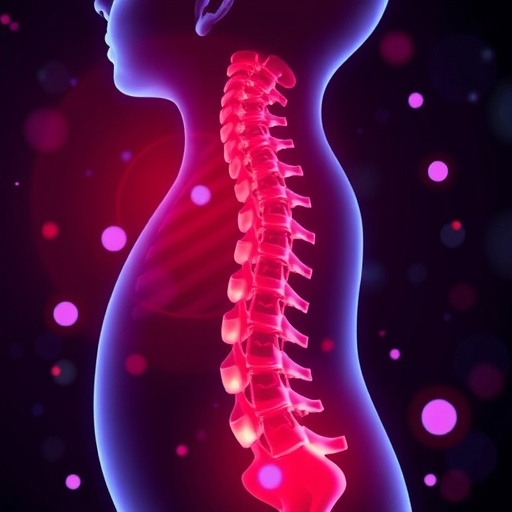
In a groundbreaking study that could transform the landscape of spinal cord injury treatment, researchers have unveiled the remarkable protective properties of human umbilical cord plasma-derived exosomes. This innovative research, led by Taheri et al., sheds light on how these exosomes can inhibit the NLRP3 inflammasome and prevent neuro-apoptosis following traumatic spinal cord injury. The implications of these findings are profound, suggesting a new horizon in regenerative medicine and neuroprotection for one of the most devastating types of injuries.
The NLRP3 inflammasome is a critical component of the immune response, often activated during cellular stress or injury. In the context of spinal cord injuries, its activation leads to a cascade of inflammatory responses that exacerbate neuronal damage. However, the research team discovered that exosomes derived from human umbilical cord plasma carry molecular cargo that can modulate this inflammatory response. Through their investigation, they observed a significant reduction in NLRP3 inflammasome activation upon treatment with these exosomes, indicating their potential as a therapeutic strategy to mitigate secondary damage in spinal cord injuries.
Neuro-apoptosis, or programmed cell death in the nervous system, presents a significant challenge in spinal cord injury recovery. Following trauma, the intrinsic pathways that regulate apoptosis can be triggered, leading to extensive loss of neuronal integrity. In the study, exosomal treatment not only reduced markers of apoptosis but also promoted cell survival pathways. This dual action underscores the potential of cord blood-derived exosomes to not just inhibit harmful processes but to actively foster recovery and repair of damaged neural tissues.
The findings, published in the esteemed journal 3 Biotech, mark a significant milestone in the quest for effective therapies for spinal cord injuries. As the researchers delve deeper into the molecular mechanisms at play, they have observed that these exosomes carry proteins, microRNAs, and other biomolecules that play distinct roles in cell communication. This complex interplay of molecular signals reveals how exosomes could modulate inflammation and facilitate regeneration, highlighting their multifaceted roles beyond mere carriers of genetic material.
Additionally, the non-immunogenic nature of umbilical cord plasma-derived exosomes presents a notable advantage. Unlike treatments involving autologous stem cells, which may face rejection, exosomes appear to be compatible across different genetic backgrounds, making them an attractive option for widespread clinical use. This finding could address one of the most significant barriers in regenerative medicine—immunogenicity—thus expanding the potential patient population that could benefit from this innovative treatment approach.
As the research progresses, the team emphasizes the importance of understanding the specific molecular components of exosomes that confer their protective effects. By isolating and characterizing these elements, researchers aim to optimize therapeutic formulations, enhancing efficacy and ensuring not only safety but also the targeted delivery of these potent biological agents to the site of injury. The promise of tailored exosomal therapies could revolutionize how we approach neurotrauma recovery.
Importantly, the study opens the door for additional research into various sources of exosomes and their therapeutic potential across different types of injuries and diseases. While umbilical cord plasma has displayed significant promise, there may be other biological sources that can yield similarly beneficial exosomal products. By expanding the scope of potential exosomal therapies, researchers can pave the way for a new arsenal of treatments for conditions ranging from traumatic injuries to chronic neurodegenerative disorders.
The implications of this research extend beyond spinal cord injuries; the principles uncovered may lay the groundwork for therapeutic strategies across a wide array of inflammatory and degenerative diseases. The ability of exosomes to regulate immune responses and facilitate tissue repair opens avenues for investigating their use in conditions such as multiple sclerosis, Alzheimer’s disease, and even stroke. Each of these areas could benefit immensely from enhanced understanding and application of exosomal therapy.
Given the increasing body of evidence supporting the therapeutic potential of exosomes, the shift towards clinical trials will be a natural next step. Small-scale safety studies are likely to emerge in the short term, followed by larger efficacy trials to assess the true potential of these biological agents in clinical settings. Regulatory pathways may also begin to adapt to expedite the entry of exosomal therapies into the market, driven by enthusiasm for innovative treatments that enhance patient recovery.
In conclusion, the work by Taheri and his colleagues marks a pivotal moment in the intersection of regenerative medicine and neurotrauma. By harnessing the power of human umbilical cord plasma-derived exosomes, researchers are poised to change how spinal cord injuries are treated. As we move forward, embracing the full potential of exosomal therapies will be crucial for ushering in a new era of medical advancements aimed at restoring lives.
Ultimately, the future of exosome research remains bright, promising multifaceted benefits not only for acute trauma patients but for a broader spectrum of neurological disorders. As scientists continue to explore the depths of extracellular vesicle biology, the possibilities may extend well beyond current paradigms, pushing the boundaries of what we know about cellular communication and regenerative medicine. These findings are more than just a study; they are a beacon of hope for patients and families affected by the devastating consequences of spinal cord injuries.
Cite Scienmag News
Cassandra Pierce. (January 25, 2026). Exosomes from Umbilical Cord Plasma Protect Against Spinal Injury. Scienmag. https://scienmag.com/exosomes-from-umbilical-cord-plasma-protect-against-spinal-injury/
Cassandra Pierce. "Exosomes from Umbilical Cord Plasma Protect Against Spinal Injury." Scienmag, 25 January 2026, https://scienmag.com/exosomes-from-umbilical-cord-plasma-protect-against-spinal-injury/. Accessed 4 September 2026.
Cassandra Pierce. "Exosomes from Umbilical Cord Plasma Protect Against Spinal Injury." Scienmag. January 25, 2026. https://scienmag.com/exosomes-from-umbilical-cord-plasma-protect-against-spinal-injury/


