


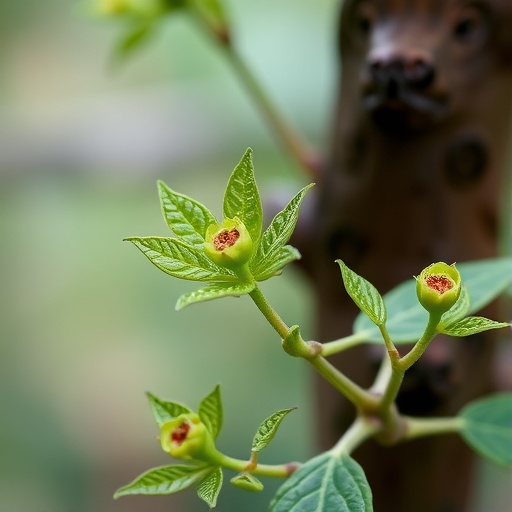
In a groundbreaking study published in BMC Genomics, researchers Liu, W., Li, J., and Fan, Z. examine the complete chloroplast genomes of various species within the genus Lygodium, exploring the intricate phylogenetic relationships among Lygodiaceae species found throughout China. This comprehensive analysis not only sheds light on the evolutionary trajectories of these fern species but also illustrates their ecological significance in the diverse plant ecosystems of the region. By dissecting the genetic underpinnings conveyed through chloroplast genome data, the researchers have paved the way for a deeper understanding of plant evolution and diversity.
Chloroplast genomes serve as vital components in plant genetics and evolution due to their inheritance patterns, unique structure, and rate of mutation. The circular DNA of chloroplasts contains essential genes responsible for photosynthesis and other metabolic functions. In examining the chloroplasts from different Lygodium species, Liu and colleagues are able to traverse through the evolutionary history of these ferns, revealing how they have adapted to their specific environments, which is crucial given the ecological pressures many species face today.
By employing advanced sequencing techniques, the researchers were able to compile and analyze complete chloroplast genomes. This meticulous work highlights the technological advancements in genetic sequencing, allowing researchers to gather comprehensive data more effectively than before. The study emphasizes how cutting-edge genomics can illuminate the understanding of plant biodiversity and evolution, while also facilitating conservation efforts for endangered species, as it allows for better-informed decisions regarding their preservation.
Throughout the study, specific characteristics of the chloroplast genomes were scrutinized, including gene order, intron presence, and structural variations. These factors contribute significantly to resolving phylogenetic relationships. By constructing phylogenetic trees based on chloroplast genome data, the researchers were able to present clear visualizations of how various Lygodium species are interconnected, offering insights into their shared ancestry and divergence over time.
The findings revealed distinct groups within the Lygodium lineage that reflect adaptations to various habitats. Some species were shown to have developed unique genetic traits that enhance their survival and reproductive success in specific environmental niches, such as wetlands or shaded forest understories. This adaptability is not just fascinating from a scientific perspective; it also raises important questions about the potential impacts of climate change and habitat loss on these specialized ferns.
Moreover, the chloroplast genome data revealed intriguing aspects of gene transfer among species. Horizontal gene transfer is a phenomenon not commonly associated with plant evolution, but the analysis suggested potential instances where genetic material may have been exchanged between Lygodium species. Such discoveries challenge traditional perceptions of plant evolution and could lead to a revised understanding of phylogenetic methodologies.
The study’s implications extend beyond academic curiosity; they speak directly to the conservational challenges plants face in rapidly changing environments. As human activities exacerbate deforestation and habitat fragmentation, understanding the genetic resilience of various species becomes crucial. This research emphasizes that comprehensively mapping plant genomes can act as a litmus test for assessing a species’ capability to adapt under environmental stressors.
Furthermore, Liu and colleagues argue for the application of their findings in broader ecological projects. By leveraging chloroplast genome analysis, conservationists could prioritize species based on their genetic diversity, potentially designing conservation strategies that optimize the preservation of biodiversity, rather than focusing solely on the most charismatic or commonly known species.
In addition to conservation applications, the discovery of the phylogenetic relationships within Lygodium species heralds exciting potential in fields such as biotechnology. For example, understanding the genetic resources of these ferns may facilitate bioproduct development and agriculture advancements, particularly in creating robust, climate-resilient crops inspired by the ferns’ evolutionary adaptations.
The Chinese flora is incredibly diverse and hosts the largest number of Lygodium species globally. Researchers emphasize that this study highlights the urgent need to conduct further genomic research on lesser-explored regions with rich plant biodiversity. The forefront of botanical science is now at a pivotal moment where genomic data and ecological conservation can align to ensure the safeguarding of our planet’s plant heritage.
While the study is primarily focused on the Lygodium genus, it opens pathways for comparative analyses with other genera within the Lygodiaceae family and beyond. Future research could explore how chloroplast genome characteristics vary across a broader array of ferns, contributing to a more comprehensive understanding of the evolution of this ancient group of plants.
Liu, W., Li, J., and Fan, Z. have set a compelling precedent in their use of chloroplast genomics as a tool for evolutionary study, offering a model that can be replicated across multiple plant systems. As the scientific community continues to unravel the complexities of plant genetics, studies like this underscore the importance of interdisciplinary collaboration in tackling conservation challenges.
In conclusion, the comparative analysis of complete chloroplast genomes in Lygodium species fulfills an essential role in understanding plant evolution, diversity, and conservation. Liu and colleagues have provided a significant contribution to plant genomics, reaffirming the essential link between species’ genetic makeup and their ecological adaptability. This research does not merely contribute to the academic literature; it serves as a clarion call for conservation, advocating for a genetic approach to safeguarding the future of plant biodiversity.
Cite Scienmag News
Juliet Wilcox. (January 25, 2026). Chloroplast Genomes Uncover Lygodium Phylogenetics in China. Scienmag. https://scienmag.com/chloroplast-genomes-uncover-lygodium-phylogenetics-in-china/
Juliet Wilcox. "Chloroplast Genomes Uncover Lygodium Phylogenetics in China." Scienmag, 25 January 2026, https://scienmag.com/chloroplast-genomes-uncover-lygodium-phylogenetics-in-china/. Accessed 4 September 2026.
Juliet Wilcox. "Chloroplast Genomes Uncover Lygodium Phylogenetics in China." Scienmag. January 25, 2026. https://scienmag.com/chloroplast-genomes-uncover-lygodium-phylogenetics-in-china/


