


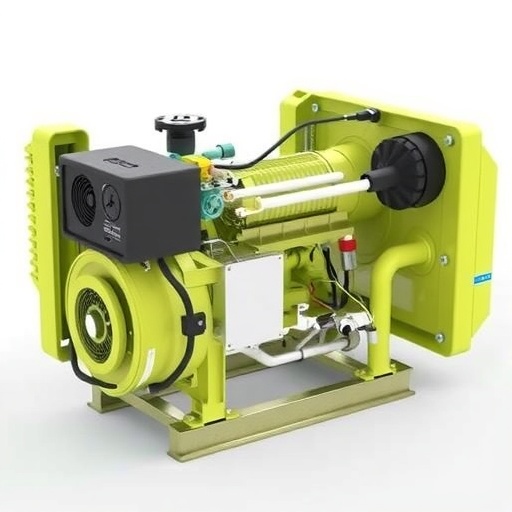
In the world of automotive engineering, a groundbreaking innovation is gaining traction: the integration of fuel cell air compressor concepts aimed at amplifying the efficiency of fuel cell electric vehicles (FCEVs). This cutting-edge research, led by a trio of experts—Frühwirth, Schutting, and Eichlseder—explores the vital role that air compressors play in the overall performance and sustainability of FCEVs. The researchers delve into the intricacies of air compressor design, functionality, and its compatibility with existing fuel cell technology, ushering in a new era of eco-friendly transportation.
Fuel cell electric vehicles represent a cleaner alternative to traditional internal combustion engines, primarily due to their notable reduction in harmful emissions. However, like any technological advancement, there are still challenges to overcome. A key aspect of enhancing the efficiency of FCEVs lies in optimizing the air intake systems through innovative compressor technologies. By analyzing various configurations and materials, the research team seeks to address the limitations currently faced by air compressors in fuel cell systems.
One of the primary focuses of the study is understanding how air compressors contribute to the operation of fuel cells. The fuel cell system requires a constant supply of compressed air for optimal performance. This air is instrumental in the electrochemical reaction process that converts hydrogen and oxygen into electricity, driving the vehicle forward. Therefore, the efficiency of the air compressor directly correlates to the overall efficiency of the fuel cell. Enhancements in this area can lead to significant improvements in the vehicle’s range, power output, and operational reliability.
The research emphasizes the exploration of new materials and designs for compressors that could lead to more efficient air compression processes. By utilizing lightweight, durable materials, the compressors can achieve better performance without adding excessive weight to the vehicle. This is particularly relevant in FCEV design, where minimizing weight is crucial for maximizing driving range and efficiency. As a result, the team’s findings advocate for advanced materials that can withstand high temperatures and pressures, enhancing the longevity and performance of the compressor system.
Moreover, the integration of advanced technologies such as digital control systems and machine learning algorithms is proposed to optimize the compressor’s performance in real-time. These technologies can monitor the vehicle’s operating conditions and adjust the compressor’s output accordingly, ensuring that the fuel cell receives the precise amount of air needed for peak performance at all times. Such adaptability is essential in varying driving conditions, where the demand for power can fluctuate significantly.
The research findings also delve into the concept of efficiency mapping for air compressors used in FCEVs. By meticulously mapping the efficiency of various compressor designs across a range of operating conditions, the authors aim to identify optimal configurations that can significantly improve the overall energy balance of the fuel cell system. This intricate analysis provides vital insight that could drive future compressor design, creating systems that not only meet but exceed current performance benchmarks.
Another critical consideration addressed in the research is the environmental impact of compressor technology. The study highlights the importance of developing compressor systems that not only enhance vehicle efficiency but also minimize their ecological footprint. The researchers propose methods for reducing noise and vibrations generated by the compressors, which are often overlooked but crucial factors in creating a sustainable and user-friendly vehicle experience.
Furthermore, the comparison of traditional air compressors with newer, patented designs serves to illustrate the potential advancements that can be made in fuel cell technology. By examining case studies of existing FCEV models, the research team provides a comprehensive overview of performance gaps that can be bridged through the innovations they propose. This narrative not only showcases the potential of next-generation compressors but also emphasizes the importance of continuous research and development in automotive engineering.
Through innovative measurement techniques, the authors assess the real-world performance of various compressor systems in FCEVs. This empirical approach allows the team to validate their theoretical findings and provides a robust foundation for the next steps in compressor design and fuel cell integration. Field tests have yielded promising results, reinforcing the notion that the research’s proposed innovations could indeed revolutionize the fuel cell landscape.
As the automotive industry leans toward electrification, the significance of enhancing the performance of air compressors in FCEVs cannot be overstated. By addressing the core challenges associated with air supply in fuel cells, the research paves the way for a new generation of vehicles that are not only more efficient but also more environmentally friendly. The implications of these advances extend far beyond mere performance metrics; they also hold the potential to shape the future of sustainable transportation on a broader scale.
The collaboration between the researchers has demonstrated that multidisciplinary approaches are essential in tackling complex engineering problems. By combining expertise in materials science, fluid dynamics, and control systems, the team has successfully bridged the gap between theoretical research and practical application. Their findings imply that the future of fuel cell technologies may hinge on such collaborative efforts, as more solutions are needed to meet the growing demand for cleaner vehicles.
In conclusion, the innovative study led by Frühwirth, Schutting, and Eichlseder delves deeply into the nexus of air compressor technology and fuel cell efficiency. By highlighting the intricate relationship between air supply and fuel cell performance, the researchers uncover pathways to dramatically improve the capabilities of FCEVs. Their comprehensive investigation not only provides a roadmap for future research but also sets a compelling stage for the automotive industry’s transition towards sustainable energy solutions.
As the push for eco-friendly vehicles accelerates, air compressor technology will undoubtedly play a pivotal role in realizing the full potential of fuel cells in electric vehicles. The research heralds a promising new chapter in automotive engineering, where efficiency, sustainability, and advanced technologies coalesce to redefine the driving experience. Ultimately, the innovations discussed in this groundbreaking study could pave the way for a cleaner, greener future—one that accelerates us toward a world where transportation is no longer at odds with environmental stewardship.
Cite Scienmag News
Faith Mcneil. (January 24, 2026). Improving FCEV Efficiency with Advanced Fuel Cell Compressors. Scienmag. https://scienmag.com/improving-fcev-efficiency-with-advanced-fuel-cell-compressors/
Faith Mcneil. "Improving FCEV Efficiency with Advanced Fuel Cell Compressors." Scienmag, 24 January 2026, https://scienmag.com/improving-fcev-efficiency-with-advanced-fuel-cell-compressors/. Accessed 4 September 2026.
Faith Mcneil. "Improving FCEV Efficiency with Advanced Fuel Cell Compressors." Scienmag. January 24, 2026. https://scienmag.com/improving-fcev-efficiency-with-advanced-fuel-cell-compressors/


