


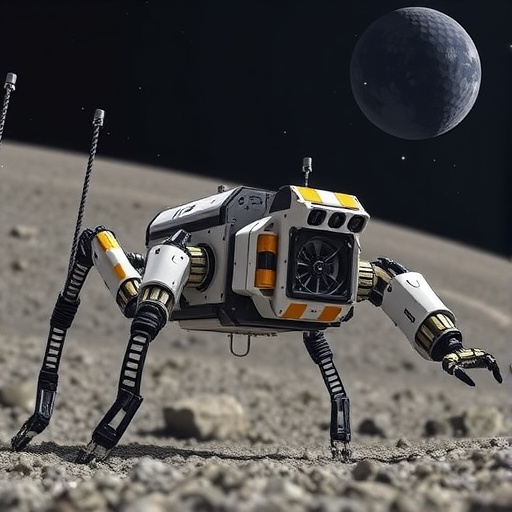
As humanity’s ventures into space continue to expand, the need for advanced robotics has never been more critical. The future of space exploration heavily relies on the capabilities of robots and manipulators designed specifically for tasks such as structural assembly, spacecraft maintenance, and the transportation of space debris. A recent study by V.V. Svotina delves into these specialized machines, offering insights into their roles and the technological advancements that make them indispensable for future missions beyond Earth.
Robotic technology has evolved dramatically over the last few decades, transitioning from rudimentary tasks to sophisticated operations that can now be executed autonomously or with minimal human oversight. In the domain of space exploration, this evolution is particularly evident as robotics become essential components in the maintenance and repair of spacecraft. Given the harsh conditions of space, where human intervention is risk-laden and costly, robotics provide a viable solution to perform intricate repairs far from Earth’s support systems.
Among the most exciting advancements in robotic technology is the development of manipulators specifically designed for assembly tasks in space environments. These machines are capable of handling a variety of structures, facilitating the assembly of large-scale components such as solar panels and satellite arrays in orbit. The ability to manipulate objects in microgravity presents unique challenges that these systems must overcome, necessitating sophisticated control algorithms and sensory feedback mechanisms to execute their tasks accurately and efficiently.
Additionally, the study highlights the importance of employing robots to manage and mitigate space debris, a growing concern as the number of active satellites in orbit continues to rise. Space debris consists of defunct satellites, spent rocket stages, and fragments from previous collisions, posing risks to both crewed and uncrewed missions. Robots equipped with advanced propulsion and grabbing mechanisms can help capture and remove this debris, ensuring safer conditions for future exploration and preventing potential accidents that could devastate critical space infrastructure.
Svotina’s research underscores the integration of machine learning and artificial intelligence in enhancing the operational capabilities of these robots. By continuously learning from their environment and previous tasks, robotic systems can adapt to unforeseen challenges and improve their performance in real-time. This adaptability is particularly crucial in space, where conditions can change rapidly and unexpected problems often arise.
Moreover, the manufacturing processes behind these robotic systems are also undergoing transformative changes. Advances in materials science have led to the creation of lightweight, strong materials that allow robots to be more nimble and capable of intricate movements without the constraints of excessive weight. Additive manufacturing, or 3D printing, is also being explored to create components directly in space, thereby reducing the need to launch heavy equipment from Earth.
The collaboration between robotic systems and astronauts represents another fascinating aspect of this research. Robots can assist astronauts in performing complex tasks, serving as vital partners in high-stakes environments. This partnership not only enhances efficiency but also allows astronauts to focus on strategic decision-making rather than mundane operations, significantly extending the scope of what can be accomplished during space missions.
As nations and private enterprises invest more significantly in space exploration, the demand for these innovative robotic solutions will undoubtedly increase. Companies are already exploring various applications, from asteroid mining to the establishment of lunar bases, all of which will require advanced robots. This demand presents opportunities for further innovation and development, potentially leading to breakthroughs that will be critical for the next era of space exploration.
Furthermore, the implications for human habitation on other celestial bodies are profound. Future missions targeting Mars and beyond will rely on robotics not only for infrastructure development but also for ensuring that life support systems are fully operational. Robots could perform maintenance and repairs on these systems, allowing for prolonged human presence and exploration without the continual need for resupply missions from Earth.
In conclusion, the research conducted by V.V. Svotina illustrates the vital role that robots and manipulators will play in the future of space exploration. From assembly and maintenance to debris management, these machines will be indispensable in overcoming the logistical and operational challenges posed by the harsh realities of space. As advancements continue, the dream of sustainable and effective human and robotic synergy in outer space is gradually coming to fruition, paving the way for new possibilities that could one day lead to human settlements beyond Earth.
The synergy created by robotics is not merely a concept of the future; it is becoming a pivotal reality that can shape the contours of space exploration in ways previously unimaginable. As we continue to push the boundaries of our knowledge and capabilities, it becomes increasingly clear that the age of robots in space is upon us, heralding a new era filled with both promise and challenges.
With continuous research and innovation, the path forward seems bright and fraught with possibility. The groundbreaking work of researchers like Svotina provides not only a glimpse into what is possible today but also serves as inspiration for future generations of scientists and engineers. Their exploration of robotic systems gives us the tools to dream bigger and strive harder in our quest to explore and inhabit the cosmos, reminding us of the incredible human drive to push beyond our earthly boundaries.
As humanity stands on the precipice of a new era in space exploration, robotics will undoubtedly serve as the linchpin in unlocking the mysteries of the universe, dismantling barriers once viewed as insurmountable. The future is bright, and it holds boundless opportunities for those willing to embrace and advance the tools we have at our disposal.
As we prepare for the upcoming space missions and the challenges they may bring, the advancements highlighted in Svotina’s research will be pivotal in ensuring success and sustainability in our ambitions off-planet. With the right investments in technology and innovation, the cosmos is set to become a new frontier where humanity can thrive, fulfilling our innate desire to explore the unknown.
Svotina, V.V. Robots and manipulators for structure assembly, spacecraft maintenance and space debris transportation.
AS 8, 717–746 (2025). https://doi.org/10.1007/s42401-025-00411-8
Cite Scienmag News
Denise Maddox. (January 24, 2026). Robots Revolutionize Space Assembly and Debris Management. Scienmag. https://scienmag.com/robots-revolutionize-space-assembly-and-debris-management/
Denise Maddox. "Robots Revolutionize Space Assembly and Debris Management." Scienmag, 24 January 2026, https://scienmag.com/robots-revolutionize-space-assembly-and-debris-management/. Accessed 3 September 2026.
Denise Maddox. "Robots Revolutionize Space Assembly and Debris Management." Scienmag. January 24, 2026. https://scienmag.com/robots-revolutionize-space-assembly-and-debris-management/


