


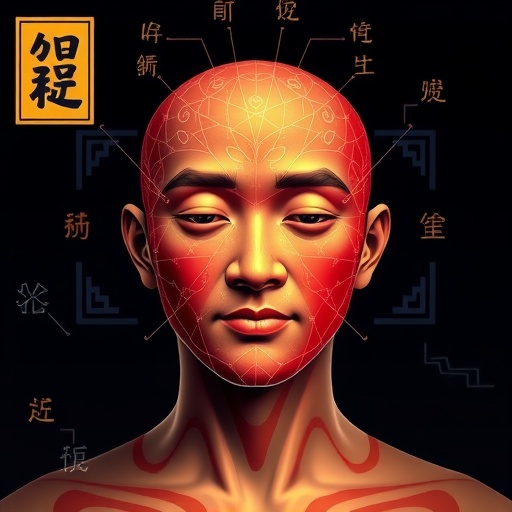
In an enlightening advance within the realm of integrative medicine, a recent study by Gu, Nie, and Yang delves into the identification of traditional Chinese medicine (TCM) constitution through the innovative application of multimodal deep learning radiomics. The research, set to be published in the Journal of Medical Biological Engineering in 2026, represents a significant leap in how ancient practices can be harmonized with cutting-edge technology to enhance patient care and personal wellness. This breakthrough reflects a growing trend toward the integration of artificial intelligence in health sciences, offering new horizons for personalized medicine.
At the core of this investigation is the understanding that TCM is built on the premise of constitution—individual variations in health that encompass physical, emotional, and environmental factors. These constitutions serve as foundational elements in diagnosing and treating ailments. Traditional methods of identification have relied heavily on subjective assessments, which can lead to variability and inconsistency in patient care. By transitioning to a data-driven approach utilizing deep learning, the researchers aim to standardize this process, making it more accurate and reliable.
The research employs multimodal deep learning, a sophisticated technique that combines various types of data to enhance predictive performance. This methodology allows for the analysis of complex datasets that include clinical symptoms, genetic markers, and imaging data, presenting a comprehensive overview of an individual’s health. By harnessing radiomics, which is the extraction of high-dimensional data from medical images, the researchers can uncover insights that are often imperceptible to the naked eye. This melding of data types maximizes the potential of deep learning algorithms, transforming them into powerful diagnostic tools.
One of the significant contributions of this study is its focus on radiomic features—quantitative measurements extracted from medical images that encode detailed information about tissue characteristics. By utilizing advanced algorithms, the researchers can sift through vast datasets to identify patterns associated with different TCM constitutions. This enables the design of algorithms that are not only robust but also trained to recognize subtle differences that might elude standard clinical assessments. The potential implications of these findings could revolutionize the way healthcare providers approach diagnosis and treatment.
Furthermore, the use of deep learning in this context not only promises enhanced accuracy but also efficiency in diagnosis. Traditional assessments can be time-consuming and dependent on the expertise of practitioners, whereas automated systems can analyze data within seconds, bringing a new level of responsiveness to patient care. The implications for clinical practice are profound, especially in settings with high patient volumes, where quick and precise assessments are critical for effective treatment plans.
The study also underscores the importance of diversity in training datasets. In order for machine learning algorithms to be effective, they must be exposed to a wide range of data that accurately represents the population they will serve. The researchers emphasize this point, noting that the inclusion of various demographic factors—including age, gender, and ethnicity—will improve the generalizability of their models. This focus on inclusivity is vital in ensuring that the future applications of their findings will be applicable and beneficial to a broad spectrum of patients.
As the healthcare industry continues to embrace AI technologies, ethical considerations surrounding data use and patient privacy become paramount. The researchers are acutely aware of these concerns and advocate for a responsible approach to data sharing, emphasizing the importance of anonymization and consent. Establishing trust will be essential as society grapples with the potential of AI in health care, especially regarding sensitive personal data.
Post-publication, one anticipates a surge in interest and collaboration across disciplines as this research paves the way for future explorations into the integration of traditional knowledge systems and modern technology. This synergy between diverse medical paradigms could lead to enhanced healthcare outcomes and new therapeutic interventions. The potential for TCM to inform and shape contemporary medical practices represents a fascinating intersection of history and innovation.
Additionally, the implications of this work extend beyond clinical practice into educational realms. As medical education evolves, cultivating a skill set that includes fluency in data analysis and machine learning principles will become essential for future healthcare providers. This study serves as a catalyst for discussions around curriculum reform and interdisciplinary approaches to health education.
In summary, Gu, Nie, and Yang’s research on TCM constitution identification through multimodal deep learning radiomics is a promising exploration at the intersection of ancient wisdom and modern technology. By combining traditional medical knowledge with state-of-the-art analytic techniques, the study not only enhances the understanding of TCM constitutions but also heralds a new era for personalized medicine. As the findings unfold, the potential for transformative changes in practice and patient care will undoubtedly resound through the medical community, urging further investigation and application.
With this pivotal work, the authors invite the scientific community to reconsider the boundaries of medical paradigms, urging an embrace of a future where diverse methodologies coexist and collaborate for the betterment of global health.
Cite Scienmag News
Ophelia Keating. (January 24, 2026). Multimodal Deep Learning Enhances Chinese Medicine Diagnosis. Scienmag. https://scienmag.com/multimodal-deep-learning-enhances-chinese-medicine-diagnosis/
Ophelia Keating. "Multimodal Deep Learning Enhances Chinese Medicine Diagnosis." Scienmag, 24 January 2026, https://scienmag.com/multimodal-deep-learning-enhances-chinese-medicine-diagnosis/. Accessed 6 September 2026.
Ophelia Keating. "Multimodal Deep Learning Enhances Chinese Medicine Diagnosis." Scienmag. January 24, 2026. https://scienmag.com/multimodal-deep-learning-enhances-chinese-medicine-diagnosis/


