


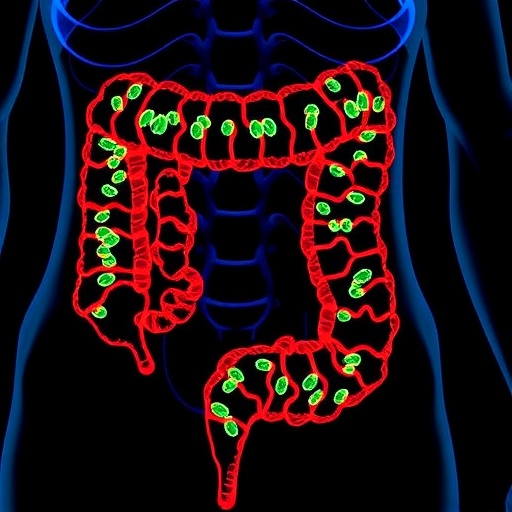
Recent research has unveiled the pivotal role of glutamine in the progression of colorectal cancer, spotlighting its influence through the upregulation of NPDC1, a previously underexplored protein in the context of tumorigenesis. The study conducted by Qin, Zhang, and Xie et al. demonstrates how the metabolic pathways associated with glutamine can significantly alter cancer cell dynamics, ultimately leading to more aggressive tumor behavior. This breakthrough provides fresh insights into the intricate biochemical interplay that sustains cancer growth and recurrence.
The investigation begins with an exploration of the metabolic adaptation that cancer cells undergo, particularly their heightened dependence on glutamine, an amino acid that serves as a vital nutrient in cellular proliferation. In many cancers, including colorectal cancer, glutamine metabolism is often upregulated, enabling tumor cells to satisfy their energetic and biosynthetic demands. This reliance on glutamine may be a fundamental characteristic that promotes cancer cell survival and proliferation, especially in hypoxic environments where nutrient levels are low.
A key finding of the research is the relationship between glutamine and NPDC1, a protein implicated in cellular signaling pathways. Elevated levels of NPDC1 were observed in colorectal cancer tissues, suggesting a direct correlation between glutamine availability and NPDC1 expression. This relationship indicates that glutamine not only fuels cancer cell metabolism but also modulates the expression of proteins that contribute to cancer aggression. The study positions NPDC1 as a potential biomarker and therapeutic target in managing colorectal cancer.
Delving deeper into the mechanisms, the research highlights the activation of the PI3K/AKT signaling pathway as a critical step in the cascade triggered by glutamine and NPDC1 interaction. The PI3K/AKT pathway is notoriously associated with cell growth, survival, and metabolism, making it a formidable contributor to cancer progression. The activation of this pathway leads to enhanced cell proliferation and reduced apoptosis, facilitating a more aggressive cancer phenotype. This underscores the need for targeted therapies that can interrupt this signaling cascade.
Furthermore, the authors conducted a series of cell line experiments that demonstrated the functional consequences of NPDC1 upregulation. When NPDC1 was overexpressed, there was a significant increase in cell viability and invasive potential. Conversely, silencing NPDC1 led to reduced cell proliferation and mobility, affirming its role in colorectal cancer advancement. These findings indicate that targeting NPDC1, possibly through the modulation of glutamine metabolism, could offer a novel approach in the treatment of colorectal cancer.
In addition to in vitro studies, the research team incorporated in vivo models to reinforce their findings. Tumor-bearing mice exhibited accelerated tumor growth when subjected to a high-glutamine diet, further validating the hypothesis that glutamine fuels tumor progression. This dual approach of validating findings through both cell culture and animal models enhances the reliability of the research, positioning NPDC1 as a dual threat marker and therapeutic target in colorectal cancer.
The implications of these discoveries extend beyond colorectal cancer. The enhanced understanding of how metabolic pathways intersect with cellular signaling can inform broader cancer biology. It opens avenues for exploring similar mechanisms in other cancer types, potentially leading to the identification of universal targets for therapy. In this context, NPDC1 may serve as a prototype for discovering other proteins that are modulated by metabolic changes in cancer cells.
This innovative research also raises significant questions regarding current treatment strategies. Many cancer therapies focus on directly targeting proliferative signaling or the tumor microenvironment. However, with glutamine dependency established as a major player in cancer aggression, there is a compelling argument for re-evaluating and possibly incorporating metabolic inhibitors into treatment regimens. Such integrated approaches may enhance the efficacy of existing therapies, leading to improved patient outcomes.
While this research lays a foundational understanding of the glutamine-NPDC1-PI3K/AKT network, further studies are imperative. Future research should aim to dissect the finer intricacies of these interactions at the molecular level, potentially identifying critical intermediaries that could serve as additional therapeutic targets. There’s a pressing need for comprehensive clinical trials to assess the viability of targeting NPDC1 and its associated pathways in real-world patient populations.
The exploration of metabolic dependencies in cancer ultimately redefines our approach to therapeutics, pushing the boundaries of traditional cancer treatment paradigms. As we delve deeper into the metabolic intricacies of tumor biology, novel strategies will likely emerge that can dismantle the energetic strongholds that tumors build, paving the way for more effective interventions. The work of Qin, Zhang, and Xie et al. signifies a crucial step in this ongoing evolution of cancer research.
In conclusion, the study posits that targeting glutamine metabolism and NPDC1 upregulation can be a transformative path in colorectal cancer treatment, validating the need for a multifaceted approach in therapeutic development. By unveiling the direct associations between metabolic processes and signaling pathways, this research paves the way for innovative strategies that could lead to revolutionary changes in how colorectal cancer and potentially other malignancies are treated.
The quest for solutions to combat cancer continues, with studies like this at the forefront of scientific discovery. They not only provide hope but also set the stage for future advancements that could ultimately save lives and transform cancer treatment as we know it.
Qin, Q., Zhang, D., Xie, Y. et al. Glutamine-driven upregulation of NPDC1 promotes colorectal cancer progression through PI3K/AKT signaling.
J Transl Med (2026). https://doi.org/10.1186/s12967-026-07733-x
Cite Scienmag News
Nathaniel Bowman. (January 24, 2026). Glutamine Boosts NPDC1, Fueling Colorectal Cancer Progression. Scienmag. https://scienmag.com/glutamine-boosts-npdc1-fueling-colorectal-cancer-progression/
Nathaniel Bowman. "Glutamine Boosts NPDC1, Fueling Colorectal Cancer Progression." Scienmag, 24 January 2026, https://scienmag.com/glutamine-boosts-npdc1-fueling-colorectal-cancer-progression/. Accessed 4 September 2026.
Nathaniel Bowman. "Glutamine Boosts NPDC1, Fueling Colorectal Cancer Progression." Scienmag. January 24, 2026. https://scienmag.com/glutamine-boosts-npdc1-fueling-colorectal-cancer-progression/


