


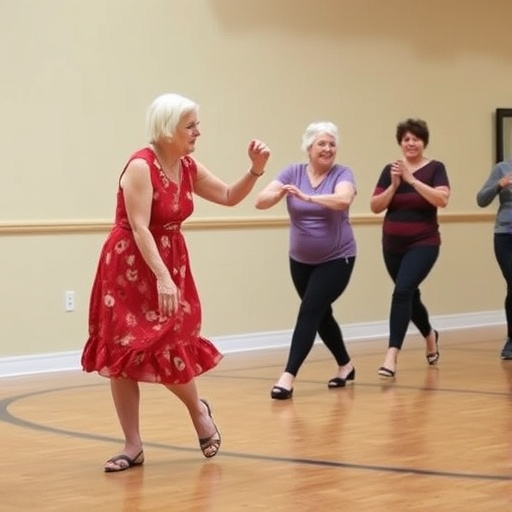
In a groundbreaking study published in BMC Geriatrics, researchers Das Gecim and Ustun explore innovative interventions aiming to combat loneliness and self-neglect among older adults aged 65 and above. The study delves deeply into the effects of two distinct interventions: dance movement therapy and walking, both of which have been applied in various therapeutic frameworks but not extensively tested in the context of geriatric care. The results from this randomized controlled trial are not only promising but could potentially reshape how care strategies are implemented for the elderly, who often experience heightened feelings of isolation due to aging-related challenges.
Loneliness has emerged as a critical public health issue, particularly among older populations. The emotional toll of isolation extends beyond feelings of sadness, significantly impacting cognitive function, physical health, and overall well-being. Recognizing this complex issue, the researchers sought to quantify the effects of social engagement through physical activity. Dance movement therapy, in particular, offers a unique avenue for expression, combining physical movement with music, thereby facilitating both emotional release and social interaction in groups.
The study engaged a sample of older adults, rigorously selecting participants who exhibited signs of loneliness and self-neglect. Screening mechanisms ensured that the subjects not only agreed to participate but were also committed to engaging with the interventions on a regular basis. By implementing a randomized controlled trial design, the authors provided robust and scientifically valid results that could lead to effective strategies for alleviating the mental and physical afflictions associated with aging.
Participants were divided into two groups, each receiving a distinct intervention. The dance movement therapy group engaged in structured sessions led by trained facilitators experienced in geriatric care and dance therapy. These sessions included varied forms of dance designed to stimulate both cognitive and emotional engagement, ultimately aiming to reduce feelings of loneliness through shared experience and increased social interaction. The program emphasized not just physical movement but also emotional connection, allowing participants to express their feelings through dance in a supportive community environment.
On the other hand, the walking intervention group was instructed to participate in regular walking sessions. These sessions were designed to address physical inactivity, which is often a significant barrier to mobility for the elderly. Walking is a highly accessible form of exercise that encourages independence while offering opportunities for socialization. Participants were guided to engage in short walks that built gradually in intensity and duration, ensuring that they could comfortably incorporate this activity into their daily routines.
As the interventions unfolded, researchers closely monitored participants’ psychological well-being through validated assessment tools. Measures of loneliness were collected before, during, and after the interventions, allowing for a comprehensive analysis of the impact each activity had on participants’ mental states. The results were then scrutinized, employing statistical methods to determine the significance of the findings and draw conclusions about the efficacy of the approaches.
Initial findings indicate a marked reduction in loneliness among those engaged in dance movement therapy compared to those participating in the walking intervention. The dance group not only reported lower levels of loneliness but also showed improvements in self-neglect behaviors. These outcomes suggest that the beneficial effects of dance therapy transcend simple physical activity; it creates deeper emotional and psychosocial benefits that walking alone cannot provide.
Conversely, while walking interventions improved overall mobility and were associated with positive health benefits, they did not yield the same level of emotional satisfaction. Participants noted benefits in physical health and stamina, but the social aspect seemed limited solely to the act of walking itself, which may lack the communal bonding experienced in dance sessions. This differentiation underscores the importance of tailored interventions that meet both physical and emotional needs.
The implications of this research are profound, as they suggest that integrating dance movement therapy into geriatric care could serve as an essential tool for health providers. By promoting holistic approaches that concentrate on mental health, caregivers can better address the pervasive issues of loneliness and self-neglect in aging populations. Moreover, these findings advocate for broader discussions around incorporating arts into health interventions, reflecting a potential shift in how we understand wellness in later life.
Moreover, policymakers and healthcare practitioners should take notice of these findings to foster environments that support physical activities like dance and walking in elder care facilities. Creating spaces where older adults can engage in these activities with peers could significantly contribute to community well-being. The study positions dance therapy not only as a method for physical engagement but also a catalyst for social connection and emotional support.
As society grapples with the aging population, studies like this offer hope for improving the quality of life for older adults. Prioritizing interventions that combat isolation and encourage community interaction may fundamentally enhance public health. As the authors note, harnessing the power of dance and movement could serve as a beacon of light for those navigating the often lonely journey of aging.
In conclusion, Das Gecim and Ustun’s research adds significantly to the discourse surrounding geriatric care. By illuminating the potential of dance movement therapy and walking interventions, the study challenges conventional approaches to combating loneliness, advocating for an integrated model of care that nurtures both physical and emotional health. This may very well represent the future of elderly care, integrating movement, music, and socialization into daily routines to foster more vibrant and connected lives.
As we look ahead, further research will undoubtedly expand upon these findings, exploring additional dimensions of movement therapy and their applications across various populations. In many ways, this study is a call to action, not just for researchers but for all stakeholders in geriatric health to prioritize interventions that elevate the experience of aging—a transformative approach that could lead to thriving communities of older adults.
Das Gecim, G., Ustun, G. The effect of dance movement therapy and walking interventions on loneliness and self-neglect in older people aged 65 and over: a randomized controlled trial. BMC Geriatr (2026). https://doi.org/10.1186/s12877-026-07014-8
Cite Scienmag News
Beatrice Stafford. (January 24, 2026). Dance, Walking Therapy Alleviates Loneliness in Seniors. Scienmag. https://scienmag.com/dance-walking-therapy-alleviates-loneliness-in-seniors/
Beatrice Stafford. "Dance, Walking Therapy Alleviates Loneliness in Seniors." Scienmag, 24 January 2026, https://scienmag.com/dance-walking-therapy-alleviates-loneliness-in-seniors/. Accessed 4 September 2026.
Beatrice Stafford. "Dance, Walking Therapy Alleviates Loneliness in Seniors." Scienmag. January 24, 2026. https://scienmag.com/dance-walking-therapy-alleviates-loneliness-in-seniors/


