


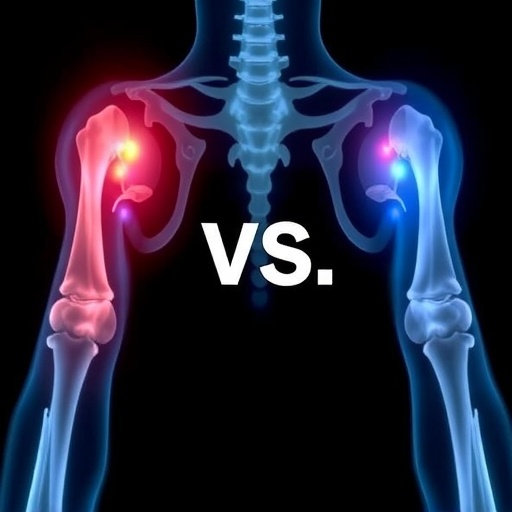
Recent research has shed light on the comparative fracture risk associated with orexin and melatonin receptor agonists, revealing intriguing insights that may impact treatment strategies for patients with conditions affecting bone density and overall skeletal health. In an increasingly aging population where osteoporosis and fractures are significant health concerns, the implications of these findings carry considerable weight. Researchers Muroi, Kanbayashi, and Yanagisawa, along with colleagues, have meticulously analyzed data to elucidate the potential risks and benefits of these emerging therapies.
Orexin and melatonin receptor agonists have been gaining traction as potential treatments for sleep disorders and other metabolic issues. One of the key attractions of these drugs is their ability to modulate sleep patterns without the pervasive side effects linked with traditional sedatives. However, like all medications, they come with their own set of risks, especially concerning bone health. Understanding the fracture risk associated with these agents is essential for guiding clinical decisions, particularly in older adults more susceptible to osteoporosis and fragility fractures.
The impetus for this study arose from growing concerns within the scientific community regarding the long-term safety of orexin receptor agonists. Researchers aimed to conduct a thorough investigation not only of the pharmacological properties of these drugs but also of clinical outcomes related to bone health. The team’s approach involved integrating both active-comparator studies and population-based evidence, which is crucial for capturing a comprehensive view of fracture risk associated with these therapeutics.
In their meticulous work, the researchers evaluated a cohort of patients undergoing treatment with either orexin receptor agonists or melatonin receptor agonists. The methodology employed was robust, consisting of an extensive review of existing literature, patient records, and clinical trials designed to gauge fracture incidence in those treated with these specific medications. This rigorous approach aimed to diminish biases and enhance the validity of the findings, providing a clearer picture of the potential risks involved.
The analysis conveyed through their results indicated that, surprisingly, both orexin and melatonin receptor agonists presented a comparable risk of fractures. This was a pivotal finding because it challenged previous notions that one class of drug might be safer than the other. More importantly, it raised fundamental questions regarding the prescribing practices for these treatments in vulnerable populations. If both drug classes carry similar risks, then the decision to initiate therapy should involve a more nuanced discussion between healthcare providers and patients.
Researchers also emphasized that a multitude of factors could influence fracture risk beyond just pharmacotherapy. Variables such as age, underlying medical conditions, lifestyle choices, and concurrent medications all play vital roles in determining an individual’s likelihood of experiencing a fracture. Understanding these interactions is paramount, as it can lead to more personalized treatment plans. Physicians are urged to consider these aspects when recommending orexin or melatonin receptor agonists.
Moreover, the importance of monitoring patients on these therapies cannot be overstated. Regular assessments of bone health, including bone mineral density (BMD) testing and comprehensive evaluations of fall risk, should be integrated into the care plans for individuals treated with these medications. This proactive approach enables healthcare professionals to identify potential issues earlier and adapt treatment strategies accordingly.
The team’s findings also have broader implications for the field of sleep medicine and endocrinology. As society continues to grapple with an array of sleep disorders, the emphasis on developing safe and effective therapies remains paramount. Both orexin and melatonin receptor agonists represent significant advancements in this arena, yet their risks must be carefully weighed alongside their benefits.
The collaboration across various institutions and research teams showcased in this study also underscores the importance of interdisciplinary approaches in tackling complex health issues. The integration of expertise from different fields not only enhances the quality of the research but also fosters an environment where new ideas and methodologies can flourish. This collaborative spirit is essential for advancing our understanding of the interactions between sleep, metabolism, and bone health.
As the study progresses toward publication, it is anticipated that the insights derived from this research will stimulate further discussions within the medical community. Healthcare providers will likely reassess their prescribing habits and education around these receptor agonists, ensuring that patients are fully informed of both the benefits and the potential risks associated with their treatments.
In conclusion, the research conducted by Muroi et al. represents a significant contribution to our understanding of the fracture risks linked to orexin and melatonin receptor agonists. As we look to the future, it is imperative that ongoing investigations continue to unpack the complexities of pharmacotherapy in bone health. Awareness and education are crucial, allowing both practitioners and patients to navigate the pharmacological landscape with greater confidence and safety.
The implications of this research extend beyond academics; they touch the very essence of patient care and treatment outcomes. By fostering a culture of vigilance and continuous learning, we ensure that advancements in medical science translate into tangible benefits for patients, ultimately reducing the prevalence of fractures and enhancing overall quality of life.
Ongoing research and education will be vital in illuminating areas previously shrouded in uncertainty. As we graduate from simply understanding these relationships to implementing change in clinical practices, the knowledge gleaned from such studies will be instrumental in shaping the future of treatment approaches for managing sleep disorders and fostering better bone health among individuals at risk.
Thus, while the findings present critical data regarding treatment protocols, they also inspire further inquiry into the long-term effects of these therapies. We stand on the brink of new discoveries, ready to unravel the intricate tapestry that is the interplay between sleep, metabolism, and skeletal health.
Muroi, K., Kanbayashi, T., Yanagisawa, M. et al. Comparable fracture risk between orexin and melatonin receptor agonists: integrating active-comparator and population-based evidence.
Arch Osteoporos 21, 18 (2026). https://doi.org/10.1007/s11657-025-01653-x
Cite Scienmag News
Ophelia Keating. (January 24, 2026). Orexin vs. Melatonin: Comparing Fracture Risk. Scienmag. https://scienmag.com/orexin-vs-melatonin-comparing-fracture-risk/
Ophelia Keating. "Orexin vs. Melatonin: Comparing Fracture Risk." Scienmag, 24 January 2026, https://scienmag.com/orexin-vs-melatonin-comparing-fracture-risk/. Accessed 5 September 2026.
Ophelia Keating. "Orexin vs. Melatonin: Comparing Fracture Risk." Scienmag. January 24, 2026. https://scienmag.com/orexin-vs-melatonin-comparing-fracture-risk/


