


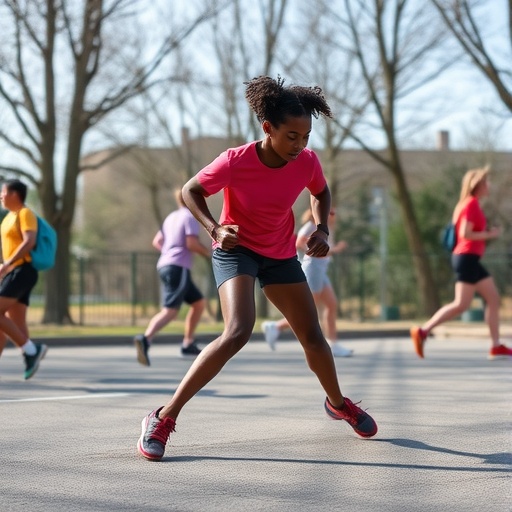
In an era where the intersection of mental health and physical wellness is gaining increasing recognition, a compelling new study sheds light on the potential for integrating physical activity into substance use treatment for young people. This mixed-methods research emphasizes the unique perspectives of adolescents and young adults, providing an essential voice to a demographic often overlooked in discussions about substance use interventions. The researchers, led by Klamert, Craike, and Bedi, dive deep into the impressions, experiences, and recommendations of young people, aiming to bridge the gap between physical activity and substance abuse treatment.
The study highlights a critical need for holistic approaches when addressing youth substance use. By integrating physical activity into treatment protocols, practitioners may enhance engagement and retention rates among young clients. This research is particularly relevant in today’s context, where traditional treatment methodologies often focus mainly on psychological aspects without considering the significant benefits of physical health interventions. Young people participating in the study expressed a strong desire for more dynamic and engaging treatment options, underscoring the need for a paradigm shift in how professionals approach substance use therapies.
Adolescents in the study revealed that they often feel disconnected from traditional therapeutic methods, which can be perceived as monotonous or unrelatable. The voices of these young individuals advocate for more innovative strategies that can include physical activity as a fundamental element of their recovery journey. Participants noted that engaging in sports or exercise not only improved their physical health but also positively impacted their mental well-being, contributing to an overall sense of empowerment. This dual benefit underscores the potential effectiveness of incorporating physical activity into treatment plans.
The study’s findings indicate that adolescents believe incorporating physical activity makes rehabilitation programs more appealing. Young participants expressed concerns that conventional therapy sessions can feel isolative or stigmatizing. By introducing physical activities that are enjoyable and socially engaging, treatment sessions can become less intimidating and more accessible for youth. This approach acknowledges the importance of social interactions and community support, which young people identified as critical components of their healing processes.
Moreover, the research underscores the role that supportive relationships play in youth recovery. Participants reported drawing significant motivation from peers who engaged in physical activities alongside them. This peer camaraderie fosters a supportive environment that can encourage young people to remain committed to their treatment plans. Integrating physical activity not only serves as a therapeutic avenue but also builds a sense of community among peers working through similar struggles.
The insights gathered from this research also point to the importance of individualized approaches to treatment. Each young person’s experience with substance use is unique, and therefore, a one-size-fits-all model may not effectively address their needs. Adopting flexible treatment protocols that allow for varying degrees of physical activity can cater to different preferences and comfort levels, ultimately leading to more successful outcomes. Personalization is vital in making treatment relevant and effective, as evidenced by the varied preferences expressed by participants in the study.
As the researchers analyze the perspectives shared by these young individuals, they urgently call for policymakers and practitioners to reconsider the frameworks currently in place for youth substance use treatment. This study advocates for an integration of physical health as a priority in treatment facilities and encourages staff training that equips counselors and therapists with the tools necessary to facilitate physical activities within their practices. A fundamental shift in perspective regarding what constitutes effective intervention strategies is warranted.
The implications of this study extend beyond individual treatment facilities. If the integration of physical activity becomes standard practice across various substance use treatment programs, it could reshape how young people perceive, engage with, and succeed in such programs. By fostering an environment where physical well-being is prioritized alongside mental health, the potential for reducing stigma around substance use treatment could be significant, making services more accessible and inviting to at-risk youth.
Furthermore, community programs and local organizations can play an essential role in this integration. Collaboration between these entities and substance use treatment facilities can facilitate opportunities for physical activity that go beyond the walls of traditional therapeutic settings. Local sports leagues, fitness classes, and group exercise opportunities could all be instrumental in creating a culture of health and recovery that resonates with adolescents.
In sum, the research presented by Klamert et al. offers invaluable insights into how integrating physical activity into substance use treatment can profoundly affect young people’s experiences. As society continues to grapple with the complexities of adolescent substance use, this study serves as a timely reminder of the necessity for innovative, inclusive, and engaging treatment approaches. The voices of young individuals must be heard as practitioners seek to develop comprehensive strategies that truly cater to their needs and foster lasting recovery.
Going forward, it is crucial to continue exploring these integrative approaches that unify the realms of physical and mental health in order to provide the best support possible for our youth. By embracing this holistic perspective, we can create a brighter future for young people navigating the challenges of substance use, ensuring they have access to programs that resonate with their unique experiences and feedback.
Cite Scienmag News
Ophelia Keating. (January 24, 2026). Youths’ Views on Physical Activity in Substance Treatment. Scienmag. https://scienmag.com/youths-views-on-physical-activity-in-substance-treatment/
Ophelia Keating. "Youths’ Views on Physical Activity in Substance Treatment." Scienmag, 24 January 2026, https://scienmag.com/youths-views-on-physical-activity-in-substance-treatment/. Accessed 4 September 2026.
Ophelia Keating. "Youths’ Views on Physical Activity in Substance Treatment." Scienmag. January 24, 2026. https://scienmag.com/youths-views-on-physical-activity-in-substance-treatment/


