


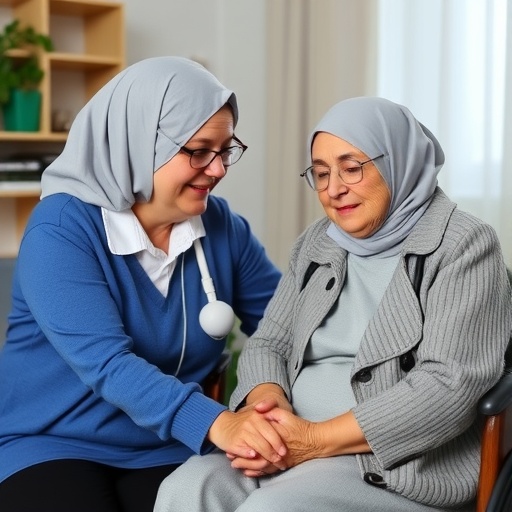
In the landscape of healthcare, the role of informal caregivers has gained increasing recognition, particularly in regions where formal health services may be limited or overwhelmed. A recent qualitative study has shed light on the perspectives of informal caregivers in Romania, unveiling the challenges, motivations, and emotional experiences inherent in caring for elderly individuals. This insightful research offers a window into the complex dynamics that define caregiving in the Romanian context, highlighting both the burdens and rewards that come with this vital role.
The study, conducted by a team of researchers led by D.A. Lungu and including esteemed colleagues like A. Ionescu-Corbu and F. Pennucci, aims to understand the firsthand experiences of those who play a crucial part in the support system for the elderly. Through in-depth interviews and focus group discussions, the authors gathered rich narratives from caregivers, revealing the multi-faceted nature of their responsibilities. This qualitative approach allows for a nuanced exploration of the caregivers’ lives, providing insights that quantitative data often overlooks.
Caregiving is often viewed through a lens of duty and obligation. In Romania, many informal caregivers are family members, typically children or spouses, who assume the responsibility of caring for elderly relatives. The study reveals that for many, this role is deeply ingrained in cultural traditions and personal values. Caregivers often express feelings of devotion and love towards those they care for, viewing their work as an extension of familial bonds. However, this sense of loyalty is frequently accompanied by significant emotional strain and challenges, which the study meticulously catalogs.
The insights gleaned from the caregivers indicate a predominant theme of emotional labor. Many participants described feelings of exhaustion and frustration, stemming not only from the physical demands of caregiving but also from the emotional toll it takes. Caregivers often sacrifice their personal time, mental health, and sometimes even their professional lives to fulfill their caregiving roles. As a result, the study calls attention to the urgent need for support systems that address the emotional and psychological needs of these individuals, who are often overlooked in the greater healthcare conversation.
Interestingly, the research underscores that informal caregivers in Romania exhibit a remarkable resilience. Despite the challenges they face, participants frequently expressed a sense of fulfillment derived from their caregiving experiences. Many spoke about the deep connections they build with elderly individuals and the pride they feel in contributing to the well-being of their loved ones. This duality of struggle and satisfaction presents a complex picture of caregiving that is unique to the Romanian experience and challenges prevailing narratives that often paint caregiving solely as a burden.
In addition to emotional experiences, the study also delves into the practical aspects of caregiving. Caregivers encounter various logistical challenges, such as managing medications, coordinating medical appointments, and providing daily physical assistance. Many participants reported feeling ill-equipped or lacking in training for these tasks, raising an important point about the need for better resources and educational opportunities for informal caregivers. This aspect of the study illustrates a significant gap in the healthcare support system: as the elderly population grows, so does the necessity for equipping caregivers with the skills they need to provide effective care.
Moreover, the intersection of cultural expectations and healthcare accessibility plays a crucial role in shaping the caregiving landscape in Romania. The researchers found that societal norms often dictate the responsibilities of caregiving, placing immense pressure on family members to assume these roles without sufficient institutional support. The study highlights how these expectations can lead to feelings of guilt among caregivers who may struggle to balance their responsibilities with their personal lives, underscoring the need for societal changes that embrace a more supportive approach to caregiving.
As the study articulates the perspectives of informal caregivers, it also advocates for policy changes that could improve their circumstances. Enhanced recognition of caregivers’ contributions, alongside the implementation of supportive services such as respite care, mental health resources, and family counseling, are crucial steps that can alleviate their burdens. The researchers emphasize that acknowledging the vital role of informal caregivers is not just a matter of compassion; it is imperative for the sustainability of healthcare systems, especially in countries facing demographic shifts and an aging population.
Furthermore, the research findings contribute to a broader conversation about the global implications of informal caregiving. Many countries look to Romania as an example, particularly regarding how family structures influence caregiving dynamics. By elevating the voices of informal caregivers in Romania, this study sets a precedent for similar research in other cultural contexts, underscoring the universal elements of caregiving while paying tribute to the unique characteristics of local traditions.
As the discussions surrounding caregiving continue to evolve, the results of this study serve as a foundational piece for understanding the lived experiences of caregivers in Romania. The depth and richness of the narratives gathered offer not only a glimpse into the challenges faced but also the resilience, strength, and unbreakable bonds within families. Such insights are essential for informing policies that protect and empower caregivers, recognizing them as pivotal players in the healthcare equation.
In summary, the qualitative study conducted by Lungu and colleagues presents a compelling view of the informal caregiving landscape in Romania, illuminating the emotional and practical dimensions of this critical role. As healthcare continues to adapt to changing demographics and needs, it becomes increasingly crucial to acknowledge and support those who provide care behind the scenes. The research calls for a recognition of the importance of informal caregivers in shaping the health and well-being of the elderly, advocating for comprehensive support systems that honor their invaluable contributions.
The emphasis on emotional labor, cultural expectations, and the necessity for policy reforms paints a vivid picture of the caregiving experience in Romania. This rich exploration not only furthers academic understanding but also serves as a clarion call for society to rally around informal caregivers, ultimately enhancing the well-being of both caregivers and those they lovingly support.
Lungu, D.A., Ionescu-Corbu, A., Pennucci, F. et al. Informal caregivers’ perspectives on caring for elderly people in Romania: a qualitative study.
BMC Health Serv Res (2026). https://doi.org/10.1186/s12913-026-14085-1
Cite Scienmag News
Ophelia Keating. (January 23, 2026). Caregivers’ Views on Elderly Care in Romania. Scienmag. https://scienmag.com/caregivers-views-on-elderly-care-in-romania/
Ophelia Keating. "Caregivers’ Views on Elderly Care in Romania." Scienmag, 23 January 2026, https://scienmag.com/caregivers-views-on-elderly-care-in-romania/. Accessed 5 September 2026.
Ophelia Keating. "Caregivers’ Views on Elderly Care in Romania." Scienmag. January 23, 2026. https://scienmag.com/caregivers-views-on-elderly-care-in-romania/


