


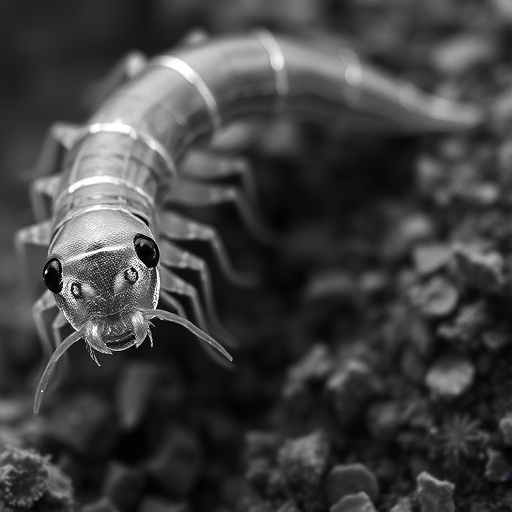
In recent years, the application of nanosilver has gained significant attention due to its antimicrobial properties. However, concerns regarding its potential toxicity, particularly in aquatic organisms, demand a closer examination. A groundbreaking study by Taipe Huisa et al. delves into the effects of nanosilver on the model organism Caenorhabditis elegans (C. elegans), providing vital insights into the accumulation and physiological impacts of this nanomaterial. Utilizing C. elegans, a well-established platform for toxicological assessments, the researchers explore how different exposure media influence nanosilver accumulation and the organism’s overall health.
Nanosilver is widely used in various industries, including medical devices, textiles, and electronics, owing to its antibacterial qualities. The intended benefits of these applications often overshadow the potential risks associated with nanosilver exposure. As a result, understanding its effects on non-target organisms is crucial for ecological risk assessment. C. elegans serves as an ideal model due to its simplicity in genetic manipulation, well-characterized biology, and relevance to human health. This study sheds light on the intricacies of how nanosilver interacts with biological systems at a molecular level.
The researchers began by exposing C. elegans to different concentrations of nanosilver in various exposure media. This approach allowed them to evaluate not only the accumulation of nanosilver within the organisms but also to discern how environmental factors could modulate this process. Notably, they found that the type of exposure medium significantly influenced the absorption rates of nanosilver and its subsequent effects on biological functions. The implications of these findings underscore the need for stringent evaluations of the media in which nanosilver is used.
One of the remarkable aspects of this research is its comprehensive approach to understanding nanosilver toxicity. By employing various methodologies, including behavioral assays, physiological measurements, and biochemical analyses, the study encapsulates a holistic view of the impact of nanosilver on C. elegans. The findings revealed that exposure to nanosilver led to notable alterations in locomotion, feeding behavior, and overall vitality, highlighting potential disruptions in essential biological processes.
Additionally, the research team investigated the biochemical responses of C. elegans to nanosilver exposure. They measured oxidative stress markers, enzyme activities, and gene expression changes in response to nanosilver treatment. This biochemical analysis provided crucial insights into the underlying mechanisms of toxicity. Notably, oxidative stress appeared to play a significant role in mediating the harmful effects of nanosilver, reinforcing the connection between nanotoxicology and cellular stress responses.
Interestingly, the study demonstrated that the effects of nanosilver are not uniform across different life stages of C. elegans. Young larvae showed heightened sensitivity to nanosilver compared to adult worms. This finding indicates that developmental stage is a critical factor in determining susceptibility to nanoparticle exposure, which could have broader implications for environmental management strategies. The nuances observed in this research call attention to the necessity for age-specific evaluations when assessing ecological risks posed by nanoparticles.
The results of the study also prompted discussions about the regulatory frameworks surrounding the use of nanosilver. Given the prevalence of nanosilver in consumer products, understanding its environmental impact is essential for guiding responsible usage and public health considerations. The research findings add to the growing body of evidence advocating for stricter regulations and comprehensive risk assessments of nanomaterials, particularly in aqueous environments where non-target species are susceptible.
Moreover, the exploration of exposure media in this study reveals a significant gap in current toxicological assessments of nanomaterials. Traditional methodologies often overlook the complexity and variability of environmental factors to which organisms are exposed. The findings emphasize the need for an integrative approach that takes into account different environmental contexts when evaluating the risks associated with nanosilver and other nanomaterials. This holistic viewpoint is crucial for accurately predicting the ecological consequences of nanotechnology.
The implications of this research extend beyond the laboratory, posing essential questions for policymakers and industries that utilize nanosilver. With growing public interest in environmental safety and sustainability, understanding how nanomaterials interact with living organisms becomes increasingly important. The study by Taipe Huisa et al. contributes significantly to the foundational knowledge required to navigate these challenges responsibly.
In conclusion, the comparative analysis of nanosilver toxicity in C. elegans sheds light on the complexities of nanomaterial interactions in biological systems. The nuanced impact of exposure media on nanosilver accumulation and physiological outcomes highlights the need for continued research in the field of nanotoxicology. As scientists strive to unravel the challenges posed by nanomaterials, studies like this play a crucial role in informing safer practices and enhancing our understanding of the delicate balance between technological advancement and environmental stewardship.
This pioneering work serves as a clarion call for more extensive research into the ecological effects of engineered nanoparticles and underscores the necessity of integrating this knowledge into public health policies and regulatory frameworks. As we continue to harness the benefits of nanotechnology, it is imperative that we remain vigilant in documenting its impact on the environment, ensuring a safer future for both humanity and our planet.
Cite Scienmag News
Violet Maxwell. (January 22, 2026). Nanosilver Toxicity in C. elegans: Media Matters. Scienmag. https://scienmag.com/nanosilver-toxicity-in-c-elegans-media-matters/
Violet Maxwell. "Nanosilver Toxicity in C. elegans: Media Matters." Scienmag, 22 January 2026, https://scienmag.com/nanosilver-toxicity-in-c-elegans-media-matters/. Accessed 3 September 2026.
Violet Maxwell. "Nanosilver Toxicity in C. elegans: Media Matters." Scienmag. January 22, 2026. https://scienmag.com/nanosilver-toxicity-in-c-elegans-media-matters/


