


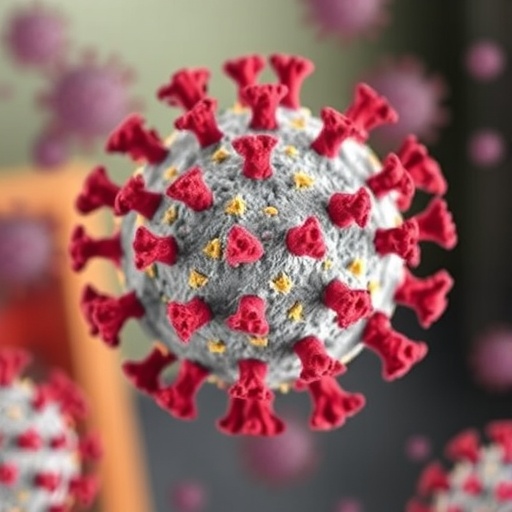
In a significant development in scientific discourse, recent events have stirred the academic community surrounding a research article initially published on the interrelation between COVID-19, environmental sustainability, animal health, and food security. The paper, authored by a collective of researchers including I.H. Alshubaith, S. Alhajri, A. Alhajri, and others, was retracted, raising questions not only about the findings presented but also about the broader implications of COVID-19 on critical aspects of our planet’s health. The research showcased the intertwined nature of public health crises, environmental degradation, and food security challenges, underscoring complex dynamics that deserve scrutiny.
COVID-19 has fundamentally reshaped societal structures worldwide, leading researchers to explore its cascading effects across various sectors. The original article sought to analyze how the pandemic affected environmental sustainability by altering human activities, including industrial production and transportation. Initial hypotheses suggested that a temporary reduction in pollution levels might contribute positively to ecosystem recovery. Researchers documented unprecedented drops in greenhouse gas emissions during lockdown measures, sparking hope among environmentalists and policymakers alike. However, these observations represent a mere snapshot, lacking longitudinal data to assess long-term trends accurately.
As the pandemic progressed, mounting evidence indicated that the transient environmental benefits witnessed during lockdowns were overshadowed by more profound impacts on human behavior and industrial practices. Noteworthy shifts in waste management, increased single-use plastics prompted by health safety measures, and the climate implications of food supply chain disruptions entered the fray. The complexity of these interactions necessitated a nuanced examination of sustainable practices beyond the immediacy of lockdown measures.
Animal health emerged as another pivotal angle in the article’s analysis. The researchers probed how COVID-19 altered veterinary practices and influenced livestock management. Reports emerged indicating both an increase in zoonotic diseases and challenges in animal welfare due to supply chain interruptions. These factors led to heightened concerns about food security, particularly in vulnerable communities reliant on stable food systems. Farmers faced unprecedented dilemmas, having to navigate fluctuating market demands while ensuring animal health and adhering to biosecurity measures.
The intersection of environmental sustainability and food security was fraught with challenges as well. The researchers posited that the food production system might be vulnerable to shocks like those prompted by COVID-19, raising alarms about the adequacy and safety of food supply chains. Not only did the pandemic highlight weaknesses in logistics and distribution, but it also emphasized the need for resilient agricultural practices capable of withstanding future shocks. Thus, the imperative for sustainable practices that harmonize environmental stewardship with robust food security initiatives became evident.
In analyzing COVID-19’s impact on environmental sustainability and food systems, the importance of policy frameworks cannot be overstated. The researchers argued for the integration of health, environmental, and agricultural policies, advocating for holistic strategies that foster resilience. The anticipated post-pandemic recovery presented a unique opportunity to align public health objectives with environmental sustainability goals, potentially reshaping industries toward more sustainable practices. However, the complexities of implementation cannot be understated, necessitating collaboration across multiple sectors encompassing government, industry, and civil society.
A concerning aspect of the research lay in public perception and the potential for misinformation to cloud understanding. The retraction of the paper suggests a gap in scientific rigor that must be addressed. It is essential for researchers to maintain transparency and integrity in their work to uphold public trust in scientific findings. The erratic dissemination of information during the pandemic underscores the perils of miscommunication, especially when dealing with issues as critical as environmental sustainability and food security.
The implications of this retraction extend beyond the academic community, highlighting the necessity for ongoing assessment of published scientific literature. Journals play a pivotal role in maintaining the integrity of research dissemination, including robust peer review processes and the capacity to retract studies that do not uphold scientific standards. Establishing a framework that prioritizes both accuracy and reliability will play a crucial role in avoiding similar situations in the future, safeguarding the credibility of scientific inquiry.
As researchers continue to explore the ramifications of COVID-19, their work constitutes an essential piece in the puzzle of our understanding. The retraction serves as a reminder of the crucial balance between innovation and caution in the pursuit of knowledge. Scholars must tread carefully, ensuring that their findings contribute positively to the discourse surrounding sustainability and health rather than exacerbating confusion.
Looking forward, the demand for interdisciplinary collaboration will persist. The interaction between environmental science, public health, economics, and agriculture highlights the complex nature of contemporary challenges. Only through integrated approaches will effective solutions emerge, prioritizing both human health and environmental sustainability in future research endeavors.
Overall, the retraction of this pivotal article serves not as a setback but as an opportunity for reflection within the scientific community. It encourages a reevaluation of existing research methodologies and the necessity of rigorous peer oversight. Future studies will undoubtedly benefit from this moment of critical assessment, shaping a renewed commitment to scientific integrity and a clearer understanding of the intricate interdependencies that characterize our world.
The ongoing discourse spurred by this retraction is likely to catalyze further investigation into the intricate connections among COVID-19, environmental management, and food security. Researchers must leverage this unique juncture to explore revived paradigms that address systemic vulnerabilities revealed by the pandemic. Ultimately, the lessons learned will profoundly shape the future trajectories of research and policy, reaffirming the urgent need for sustainability amidst global health crises.
As society strives to rebuild in the shadow of COVID-19, the intersection of public health, environmental sustainability, and food systems will remain paramount. With consistent examination and dialogue, academia can cultivate an environment where rigorous science guides policy decisions, ensuring that health crises lead not to a return to pre-pandemic normalcy but to a considered vision for a sustainable future.
Alshubaith, I.H., Alhajri, S., Alhajri, A. et al. Retraction Note: The impact of COVID-19 on the sustainability of the environment, animal health and food security, and safety.
Environ Sci Pollut Res (2026). https://doi.org/10.1007/s11356-026-37436-1
Cite Scienmag News
William Thompson. (January 20, 2026). COVID-19’s Effects on Environment, Animal Health, Food Security. Scienmag. https://scienmag.com/covid-19s-effects-on-environment-animal-health-food-security/
William Thompson. "COVID-19’s Effects on Environment, Animal Health, Food Security." Scienmag, 20 January 2026, https://scienmag.com/covid-19s-effects-on-environment-animal-health-food-security/. Accessed 3 September 2026.
William Thompson. "COVID-19’s Effects on Environment, Animal Health, Food Security." Scienmag. January 20, 2026. https://scienmag.com/covid-19s-effects-on-environment-animal-health-food-security/


