


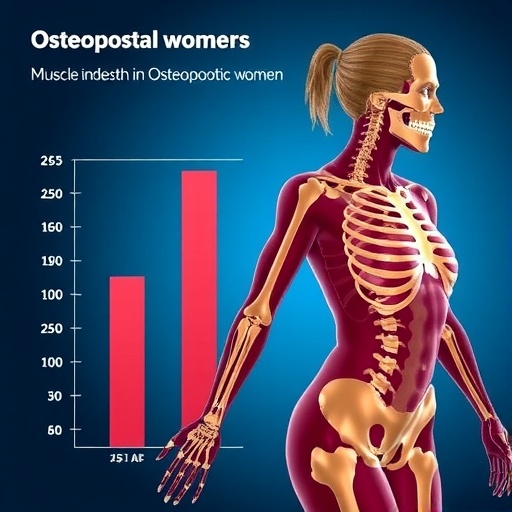
In the multifaceted landscape of osteoporosis research, a recent study has added a significant dimension by exploring the interrelationship between appendicular skeletal muscle index, bone turnover markers, and bone mineral density among postmenopausal women afflicted with osteoporosis. Conducted by esteemed researchers Chen Y.C., Chen F.P., and Chang C.W., this study shines a light on the intricate biochemical and physiological connections that underscore the dual challenges of muscular atrophy and declining bone density prevalent in aging populations.
The backdrop of this research hinges on the alarming prevalence of osteoporosis, particularly among postmenopausal women, where changes in hormonal levels culminate in decreased bone mass, rendering individuals susceptible to fractures. This condition not only fosters physical frailty, but it also engenders substantial psychological and social repercussions. The study aims to delve deeper, positing that skeletal muscle, traditionally considered separate from bone health, possesses pivotal roles that may extend beyond locomotion and strength maintenance.
Appendicular skeletal muscle index serves as a quantifiable marker of muscle mass and by extension, muscle quality. The relevance of this index cannot be overstated in the context of maintaining skeletal integrity and overall health. This research uniquely investigates how variations in skeletal muscle index might correlate with bone turnover markers—the biochemical markers that signal the ongoing process of bone remodeling and repair. Through investigating these correlations, the authors hope to unravel the complexities of how muscle mass influences not just mobility, but potentially the very integrity of bone architecture itself.
Bone turnover markers, including specific proteins and enzymes released into the bloodstream during the bone remodeling process, offer invaluable insights into the dynamic nature of bone metabolism. By measuring these markers, researchers can glean information on the balance between bone resorption and formation. This study intriguingly investigates whether changes in skeletal muscle index might signal alterations in these markers, thereby opening the door to new methods of monitoring bone health in vulnerable populations.
The researchers employed a cross-sectional study design, analyzing a population of postmenopausal women diagnosed with osteoporosis. This demographic is particularly affected by the loss of both muscle and bone mass, making them ideal subjects for understanding the interconnectedness between these critical components of musculoskeletal health. By correlating skeletal muscle index with various bone turnover markers, the study seeks to elucidate the extent to which muscle health can serve as a predictive factor for bone density outcomes.
Among the myriad findings, the most striking is the established connection between higher appendicular skeletal muscle index and desirable bone density results. This observation suggests that investing in muscular health may yield dividends not only in muscle function but also in bolstering bone density. Importantly, the implications of these findings transcend academic interest; they carry potential for real-world applications in developing targeted interventions for osteoporosis prevention and treatment.
Given the aging global population, the urgency for strategies that promote both muscle and bone health has never been clearer. If further research corroborates these findings, it may lead to significant changes in clinical practice—potentially influencing rehabilitation protocols that focus not solely on muscle strengthening but also on its role in sustaining bone health. Such a paradigm shift could transform how healthcare professionals approach osteoporosis, fostering a more integrative model of care that recognizes the interdependency of muscle and bone.
The study also sheds light on the potential for novel therapeutic avenues. For instance, resistance training, known to enhance muscle mass and function, might also decrease the risk of osteoporosis in postmenopausal women, fostering a dual benefit. Coupled with nutritional interventions that ensure adequate protein intake, especially from high-quality sources, this approach could further solidify the physiological connection between muscle and bone.
Additionally, there lies an opportunity for advancing public health messages about the importance of physical activity in older adults. Education on muscle-strengthening exercises could encourage more postmenopausal women to partake in activities that not only preserve but could enhance their skeletal health, reducing the overall burden of osteoporosis-related fractures. Fostering awareness around this connection might inspire a cultural shift towards valuing muscle health as integral to skeletal integrity.
Moreover, the implications of this research extend to future studies that may explore the biochemical pathways linking muscle and bone health. Identifying the mediators that exist in the relationship could enrich our understanding of osteoporosis and stimulate the development of pharmacologic therapies aimed at bolstering both muscle and bone during the aging process.
Finally, the call for more comprehensive guidelines that integrate muscular assessment into routine evaluations of skeletal health is becoming increasingly urgent. Understanding the critical interplay between these two systems may not only enhance existing therapeutic strategies but could also pave the way for innovative interventions targeting both muscle preservation and bone health.
In conclusion, this groundbreaking research work elucidates a vital aspect of musculoskeletal health in postmenopausal women, emphasizing the significance of the appendicular skeletal muscle index in relation to bone turnover markers and bone mineral density. By promoting interdisciplinary approaches that connect muscle and bone research, we stand to gain a more profound understanding of and significantly improve outcomes for those at risk of osteoporosis.
Cite Scienmag News
Ophelia Keating. (January 20, 2026). Muscle Index Links to Bone Health in Osteoporotic Women. Scienmag. https://scienmag.com/muscle-index-links-to-bone-health-in-osteoporotic-women/
Ophelia Keating. "Muscle Index Links to Bone Health in Osteoporotic Women." Scienmag, 20 January 2026, https://scienmag.com/muscle-index-links-to-bone-health-in-osteoporotic-women/. Accessed 3 September 2026.
Ophelia Keating. "Muscle Index Links to Bone Health in Osteoporotic Women." Scienmag. January 20, 2026. https://scienmag.com/muscle-index-links-to-bone-health-in-osteoporotic-women/


