


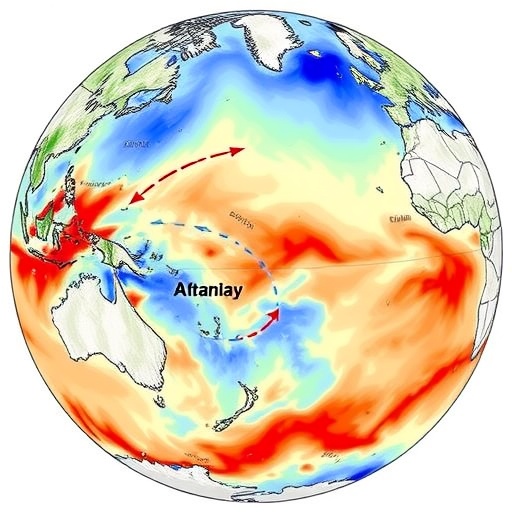
The recent study by Kemgang Ghomsi et al. sheds light on the intersection of climate variability and rising sea levels in African marine environments, particularly focusing on the anticipated phenomena of the El Niño event spanning 2023 to 2024. As researchers delve deeper into the complexities of climate change, the relationship between El Niño—a climatic pattern known for its global implications— and regional sea level surges has become increasingly paramount. This discourse not only highlights scientific findings but emphasizes the need for urgent action against the backdrop of impending environmental challenges.
El Niño, characterized by the periodic warming of ocean surface temperatures in the central and eastern tropical Pacific, triggers a ripple effect that resonates across the globe. The current research indicates that the 2023-2024 El Niño could amplify existing sea level rise by accelerating oceanic thermal expansion and reducing the effectiveness of traditional flood defense mechanisms in vulnerable regions such as Africa. This surge translates into pressing risks for coastal communities and ecosystems already grappling with the adverse impacts of climate change.
This study provides a stark warning regarding the 2023-2024 El Niño, which is projected to generate unprecedented sea level rises along African coastlines. The researchers utilized advanced climate modeling techniques to anticipate the intensity and geographical extent of these surges, linking them specifically to El Niño’s anomalous warm phases. This model integrates a multitude of variables: atmospheric conditions, oceanic temperature fluctuations, and historical sea-level rise data. The results portray a worrisome future for heavily populated coastal urban centers in Africa.
The implications of heightened sea levels are far-reaching, as they are anticipated to exacerbate coastal erosion, increase flooding, and infiltrate freshwater resources. Urban centers such as Lagos, Accra, and Nairobi, which host millions of people, are at particular risk, with infrastructure not designed to cope with such extreme conditions. Local governments and international organizations must initiate comprehensive reviews of existing coastal management practices as part of their climate adaptation strategies.
Furthermore, the study highlights the impact on marine biodiversity, as rising sea levels inundate vital habitats such as mangroves and coral reefs. These ecosystems serve as crucial buffers against storm surges and offer indispensable resources for coastal fisheries, which many local communities depend upon for their livelihoods. The degradation of these habitats could lead to significant ecological and economic ramifications, jeopardizing food security and local economies.
Researchers emphasize that the response to this impending crisis must be multifaceted, involving local communities in decision-making processes. Their participation is essential in crafting practical solutions that reflect the complex realities on the ground. Grassroots initiatives supported by scientific research can forge pathways toward climate resilience, fostering an adaptive capacity that empowers the communities most at risk.
Long-term investments in infrastructure are also vital. Coastal defenses need enhancement to withstand the challenges posed by rapid environmental changes. Upgraded drainage systems, seawalls, and flood barriers are necessary components of a robust climate adaptation strategy. Moreover, integrating green solutions such as restored wetlands and mangrove replanting can serve dual purposes: providing natural barriers and preserving vital ecosystems.
Education and awareness campaigns are pivotal in addressing the disparities in knowledge surrounding climate change impacts. Empowering communities with information about the risks and potential solutions is crucial for building social resilience. Equipping individuals with the tools for adaptation paves the way for proactive rather than reactive measures, fostering community-driven strategies for dealing with climate impacts.
The intersection of scientific research and local action will be critical for addressing the ongoing climate crisis. The findings of Ghomsi and colleagues serve as a clarion call, urging stakeholders at all levels to prioritize climate adaptation and mitigation. As awareness grows about the perils posed by the El Niño phenomenon, opportunities arise for innovative policies that can buffer vulnerable populations against environmental extremes.
Lastly, as the science evolves and new data continually emerge, the international community must maintain vigilance and commit to collaborative approaches in tackling climate change. Multinational efforts, guided by scientific insight, can yield substantial outcomes in combatting the adverse effects of climate fluctuations such as those induced by El Niño. The current research offers a pivotal perspective that could rally global action toward addressing the looming crisis of rising sea levels in Africa and beyond.
Understanding the interconnected nature of climate change through the lens of events like El Niño can help frame the discourse around sustainability and resilience. This research isn’t merely an academic exercise but a sobering reminder of our collective responsibility towards preserving our planet and its future. In the coming years, how societies respond to these challenges may well determine the trajectory of human existence on the coasts of Africa and elsewhere.
Kemgang Ghomsi, F.E., Stroeve, J., Crawford, A. et al. 2023-2024 El Niño amplifies record sea level surges in African marine domains. Commun Earth Environ (2026). https://doi.org/10.1038/s43247-026-03204-9
Cite Scienmag News
Violet Maxwell. (January 19, 2026). 2023-2024 El Niño Drives Unprecedented Sea Level Rises. Scienmag. https://scienmag.com/2023-2024-el-nino-drives-unprecedented-sea-level-rises/
Violet Maxwell. "2023-2024 El Niño Drives Unprecedented Sea Level Rises." Scienmag, 19 January 2026, https://scienmag.com/2023-2024-el-nino-drives-unprecedented-sea-level-rises/. Accessed 3 September 2026.
Violet Maxwell. "2023-2024 El Niño Drives Unprecedented Sea Level Rises." Scienmag. January 19, 2026. https://scienmag.com/2023-2024-el-nino-drives-unprecedented-sea-level-rises/


