


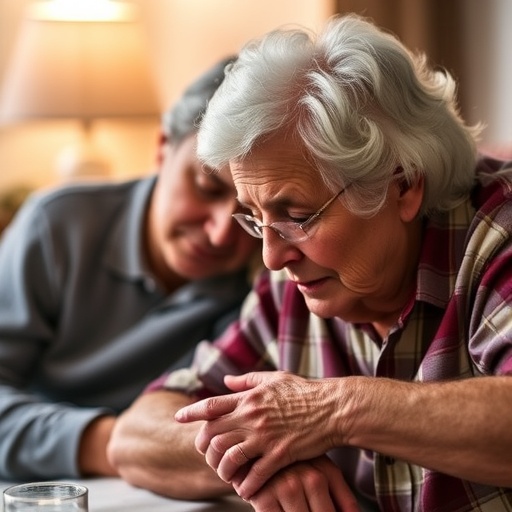
Elder abuse is an often underreported crisis, particularly among vulnerable populations such as nursing home residents suffering from dementia. In recent years, the significant intersection between dementia and abuse has emerged, highlighting a concerning trend that demands the attention of caregivers, medical professionals, and policymakers alike. New research conducted by Rababa, Eyadat, ALBashtawy, and their team systematically explores the alarming dynamics of elder abuse within nursing homes, focusing particularly on residents afflicted by dementia. Their findings, scheduled for publication in 2025, are poised to influence structured interventions and raise awareness on this critical issue.
One of the key aspects of this research is the thorough examination of the prevalence of elder abuse in nursing home settings. Elders with dementia often experience vulnerability due to their diminished cognitive abilities, rendering them more susceptible to various forms of mistreatment. The researchers identified that cognitive decline can compound the risk of abuse, revealing that those affected by dementia are not only likely to fall prey to emotional neglect but also face physical and psychological abuse. By relying on observed behaviors and experienced testimonies, the study underscores the need for comprehensive monitoring and reporting systems in such facilities.
In analyzing the associated factors contributing to elder abuse, one facet examined was the staffing conditions within nursing homes. Insufficient staffing levels were found to exacerbate the risk of abuse. Overworked and undertrained staff are often stretched thin, leading to burnout, decreased empathy, and ultimately, harmful outcomes for residents. The research illuminates that with higher staff-to-resident ratios, the likelihood of abuse significantly declines. Consequently, increased funding and prioritization of staffing are critical components in initiating reform within the sector.
Moreover, the researchers examined environmental stressors as risk factors for elder abuse. Living in a confined, regulated environment can lead to elevated tensions among both residents and caregivers. The study found that stressors such as overcrowding or poorly designed living spaces contribute to negative interactions. The physical layout of nursing homes could play a crucial role in shaping the caregiving experience. Facilities designed to promote a sense of community and wellbeing can significantly reduce instances of aggression and mistreatment among residents.
The emotional aspect of caregiving is another critical area explored in this research. Caregivers often shoulder immense emotional burden, particularly when tasked with handling residents experiencing challenging symptoms associated with dementia. Rababa and colleagues pointed out that emotional exhaustion is a significant precursor to elder abuse. Caregiver training designed to address emotional and psychological needs can better prepare staff, ultimately leading to improved resident outcomes and fostering a healthier living environment.
The implications of cultural factors were also a noteworthy point in the research findings. The study revealed that cultural attitudes toward aging and elder care can significantly impact the dynamics of abuse. Societal beliefs surrounding the elderly and their treatment by younger generations can shape caregiver interactions with residents. In communities with a strong respect for the elderly, the prevalence of abuse tended to be lower. Understanding these cultural frameworks could guide the development of culturally sensitive training programs aimed at promoting respectful caregiving practices.
An essential part of preventing elder abuse also involves effective communication channels between residents and staff, as well as among staff members. The study champions transparency and encourages facilities to open dialogue about the emotional and physical states of residents to mitigate abusive patterns. Empowering residents with the ability to voice their concerns can foster an environment of trust and accountability. Nursing homes must prioritize effective communication not only to prevent abuse but also to improve overall care quality.
Rababa and the research team have integrated implications for policy reform as a critical focus. Their findings advocate for heightened regulatory oversight of nursing homes to ensure that standards of care are not only met but continuously improved. The analysis points out glaring gaps in current regulations regarding elder abuse, leading to a call for legislative action. By developing stringent policies that encompass comprehensive training protocols, better staff support systems, and mechanisms for reporting abuse, we can work toward eradicating abuse from nursing homes.
Public health campaigns aimed at raising awareness about elder abuse in these environments are vital, as well. The research emphasizes the importance of advocacy and education as tools for societal change. By bringing these issues to the forefront, we can encourage family members and community members to take a decisive stand against abuse. Education programs aimed at caregivers, families, and even residents themselves can empower them with knowledge and resources to speak out and seek help when necessary.
A critical aspect of the study was the call for interdisciplinary approaches to tackle elder abuse effectively. The complex dimension of elder care involves a multitude of professionals, from healthcare providers to social workers and psychologists. By fostering collaboration among these disciplines, comprehensive intervention strategies can be developed. This multidisciplinary approach promises to enhance both the quality of care and the prevention of abuse within nursing home settings.
The research conducted by Rababa and colleagues presents a compelling case for a much-needed shift in how we approach elder care, particularly for individuals living with dementia. Their findings veil a troubling reality that deserves immediate attention from society as a whole. This study lays the groundwork for subsequent inquiries into the dynamics of elder abuse, urging further investigation into specialized intervention programs that can support the unique needs of residents with dementia.
In conclusion, as we navigate the complexities of an aging population and increasing rates of dementia, understanding and addressing elder abuse remains a paramount concern. The insights provided by Rababa and their colleagues serve as a clarion call for all stakeholders involved in elder care. We must commit to providing a safe, nurturing, and dignified environment for our elders, ensuring that such tragedies are not repeated. It is through collaborative efforts, supportive policies, and a culture of respect that we can safeguard our vulnerable populations against the harrowing effects of elder abuse.
Rababa, M., Eyadat, A., ALBashtawy, M. et al. Elder Abuse and Associated Factors among Nursing Home Residents with Dementia.
Ageing Int 50, 27 (2025). https://doi.org/10.1007/s12126-025-09604-0
Cite Scienmag News
Cassandra Pierce. (January 19, 2026). Dementia and Elder Abuse in Nursing Homes Revealed. Scienmag. https://scienmag.com/dementia-and-elder-abuse-in-nursing-homes-revealed/
Cassandra Pierce. "Dementia and Elder Abuse in Nursing Homes Revealed." Scienmag, 19 January 2026, https://scienmag.com/dementia-and-elder-abuse-in-nursing-homes-revealed/. Accessed 4 September 2026.
Cassandra Pierce. "Dementia and Elder Abuse in Nursing Homes Revealed." Scienmag. January 19, 2026. https://scienmag.com/dementia-and-elder-abuse-in-nursing-homes-revealed/


